Your company’s logistics, tracked parcel by parcel by an AI agent
An AI agent for logistics tracks every delivery, from courier handover to the customer’s door. It checks parcel status daily, tells customers where their order is, catches delays and returns early and keeps a record of stock movements. Fixes that cost money or change a promise are approved by a person.

What the agent takes over from day-to-day logistics

In a company that ships, logistics means dozens of small checks a day. Someone logs into the courier account, looks up yesterday’s AWBs, sees which parcel is stuck and answers customers asking where their order is. When volume grows, the checks get less frequent and you hear about problems from the customer.
The AI agent runs these checks for every shipment, every day:
It tracks the status of every AWB, from pickup to delivery or return.
It notifies the customer at the moments that matter: the order has shipped, it is out for delivery, it has reached the locker or pickup point.
It catches stuck parcels, meaning the ones that haven’t moved for too long, the ones with a wrong address and the ones that were refused.
It prepares a fix for every delay and sends it to the person who decides.
It keeps a record of stock movements tied to deliveries: what went out, what came back, what is in transit.
It follows returns until the goods are back on the shelf.
It answers the question “where’s my order” with the real status, not a generic reply.
Tell us what slows you down. We talk, then decide together whether and how we work.
How a delivery day runs

Your shipping schedule sets the pace. For an online store that hands parcels over once a day, it goes roughly like this:
In the morning it reads the orders ready to ship and checks that they have everything they need: full address, phone number, products in stock.
It flags problem orders before they leave, for example an address with no street number or a product missing from stock.
After handover to the courier, it links each AWB to its order and sends the customer the shipping message.
Several times a day it checks the status of parcels in transit.
For parcels that haven’t moved as they should have, it opens a check and drafts the message to the courier.
For refused or uncollected parcels, it notifies the person in charge and suggests the next step.
In the evening it leaves a summary of what was delivered, what is in transit, what is stuck and what is waiting for a decision.
For companies that deliver with their own vehicles, the steps are the same and only the source differs. Instead of the status in a courier account, the agent works with the day’s delivery sheet and the confirmations sent in by drivers.
What we connect to the logistics agent
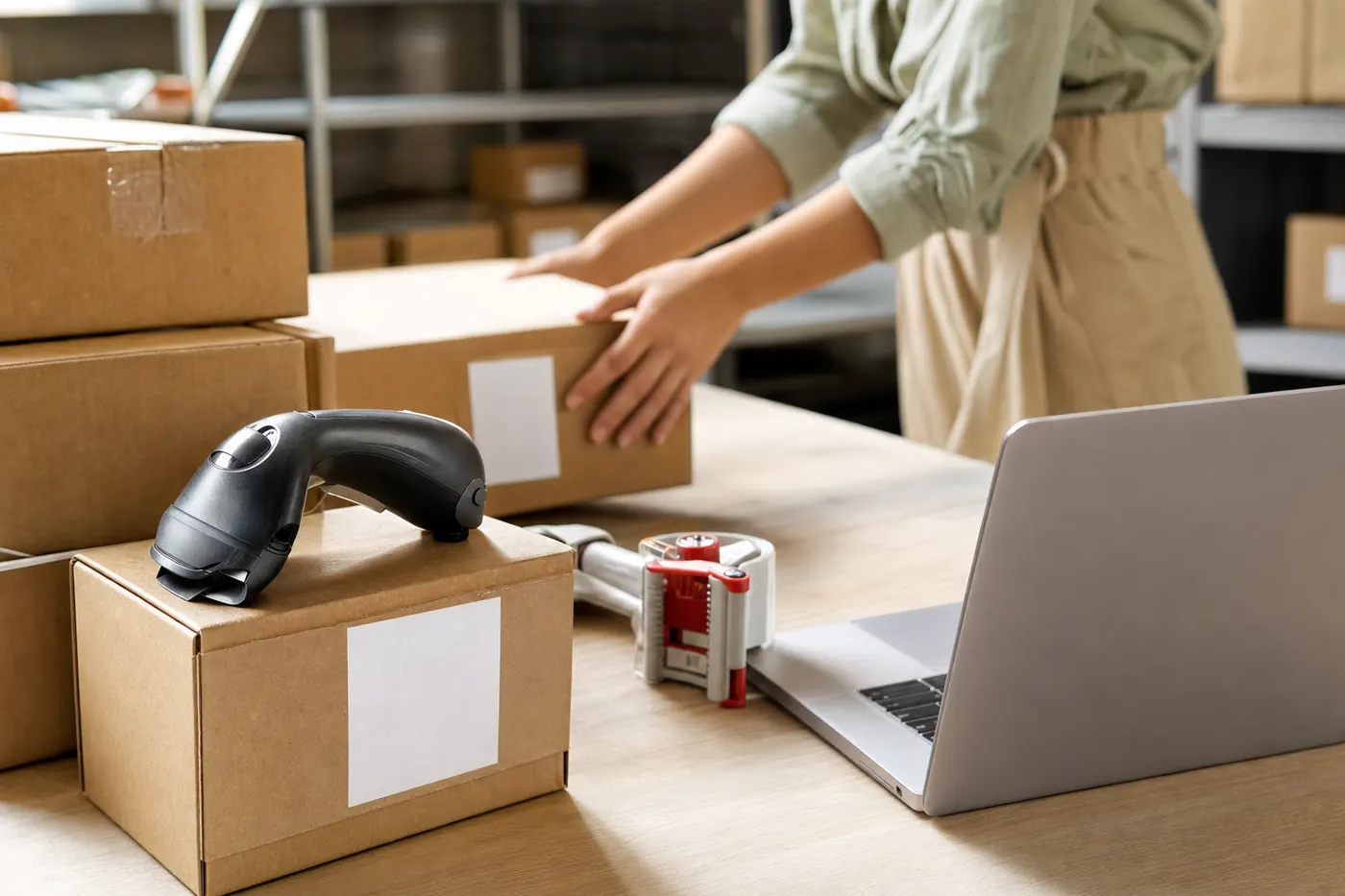
The agent reads from the accounts and programs where your deliveries already exist.
Courier accounts, for example Sameday, FAN Courier, Cargus, DPD or GLS, for AWBs and delivery status.
Your online store on Shopify, WooCommerce, PrestaShop, Gomag or MerchantPro, where the orders come from.
eMAG Marketplace, for marketplace orders and deliveries.
Your inventory software, for example SmartBill, Oblio, Saga or WinMentor, for stock, delivery notes and returned goods.
Email, SMS or WhatsApp Business, for status messages to customers.
Google Sheets or Excel, for the delivery sheet and the log of problem parcels.
Some couriers offer a direct connection, others only exports or email notifications. For each account we check what can be read automatically. If a status can only be read by hand, we tell you before, not after.
What the logistics agent doesn’t do

So you know exactly what you can rely on, here is what stays outside its job.
It doesn’t pack or hand over parcels. The physical warehouse work stays with your team.
It doesn’t promise a customer a delivery date the courier hasn’t confirmed.
It doesn’t grant refunds, discounts or reshipments without approval.
It doesn’t change stock in the software on its own initiative.
It doesn’t switch couriers or the negotiated rate and doesn’t sign courier contracts.
It doesn’t declare shipments in RO e-Transport in your place. It can gather the data, but a person files the declaration.
It doesn’t hide a lost parcel. It reports it the same day it notices.
Delays, refused parcels and returns

This is where the difference between tracking and finding out is clearest. Three situations come up in almost every company that ships.
The parcel that isn’t moving
You decide how long a parcel can sit without movement before it becomes a problem. When that threshold is passed, the agent checks the last status, drafts the complaint to the courier and an honest message for the customer. You approve both. The customer hears it from you instead of discovering it alone.
The refused or uncollected parcel
On cash-on-delivery orders, a refused parcel usually means shipping costs with no sale. The agent shows you the case right away, with the customer’s history, and suggests the next step: a reconfirmation message, a new delivery attempt or closing the order. The decision is yours.
The return
The agent follows the return parcel to the warehouse and tells the stock keeper when it has arrived. After a person has checked the goods, it prepares the stock entry and signals that the credit note or the exchange can go ahead. It doesn’t send the money back itself.
How to get started with a logistics agent

You start with a single courier and a single sales channel, usually the one with the most parcels. You show us which messages customers get today, how you find out about stuck parcels and who decides what happens to them.
Together we write the message templates and the alert thresholds. In the first weeks the agent only tracks and reports, without sending anything to customers. You compare its evening summary with what you already knew. When you see it catches everything, we switch on the status messages, then add the second courier and returns.
Where a person steps in
A late delivery is a promise to a customer that needs repairing, and the repair usually costs money. The agent spots the problem and prepares the fix. A person approves it. Human oversight is permanent, on every case that falls outside routine.
Standard status messages go out on templates you approved, with the wording and the timing you chose. Everything else goes through a person: reshipping a parcel, a refund, free shipping offered as an apology, a claim with the courier for a lost or damaged parcel.
Stock corrections also need approval. When the quantity in the software doesn’t match what came back from a return, the agent shows the difference and proposes the correction, and the stock keeper confirms it after counting the goods. If a customer is unhappy and the conversation heats up, the agent hands it over to a person, with the full delivery history at hand.
To what we sell
The most important link on the page. From here you go up to the agent we sell.
Related links
Sideways, on the same level, so you can move easily between pages.
Questions about this topic
What exactly does an AI agent for logistics do?+
It tracks every delivery from handover to the customer. It checks parcel status daily in your courier accounts, sends customers their status messages, catches stuck, refused or returned parcels and prepares a fix for each one. It also keeps the record of stock movements tied to deliveries and returns up to date, with a person approving any correction.
Which couriers in Romania does it work with?+
The ones you already use. Most often we connect Sameday, FAN Courier, Cargus, DPD and GLS accounts. For each one we check beforehand which data can be read automatically, because the options differ from one courier to the next. If you work with a smaller carrier, we see whether status can be read from its email notifications.
Does it send messages to my customers on its own?+
Only standard status messages, on templates you approved: the order has shipped, it is out for delivery, it has reached the pickup point. Any message outside the pattern, for example an apology for a delay that comes with compensation or a reply to a complaint, goes to someone on your team first. They read it, change it if needed and approve it.
Does the agent manage inventory as well?+
It keeps the record of movements tied to deliveries: what went out, what is in transit, what came back. It reads stock from your inventory software and flags mismatches. It doesn’t change quantities on its own and doesn’t replace a stock count. Corrections are confirmed by the stock keeper, after physically checking the goods.
We have our own fleet, not couriers. Does it help?+
Yes, with different data sources. The agent works with the day’s delivery sheet, the confirmations sent in by drivers and your inventory software. It tells customers when the vehicle leaves, tracks what was delivered and what wasn’t and prepares the rescheduling. Routes and people are still set by the dispatcher or the warehouse manager.
Tell us what slows you down. We talk, then decide together whether and how we work.