AI design and creative agent for tourism, from the offer to the catalog
An AI design and creative agent for a tourism business produces the visuals you need every week: the offer with its price, the story, the website banner, the newsletter header. It starts from real photos and from your brand identity, adapts each piece to the formats of the platforms and sends it for approval before anything is published.
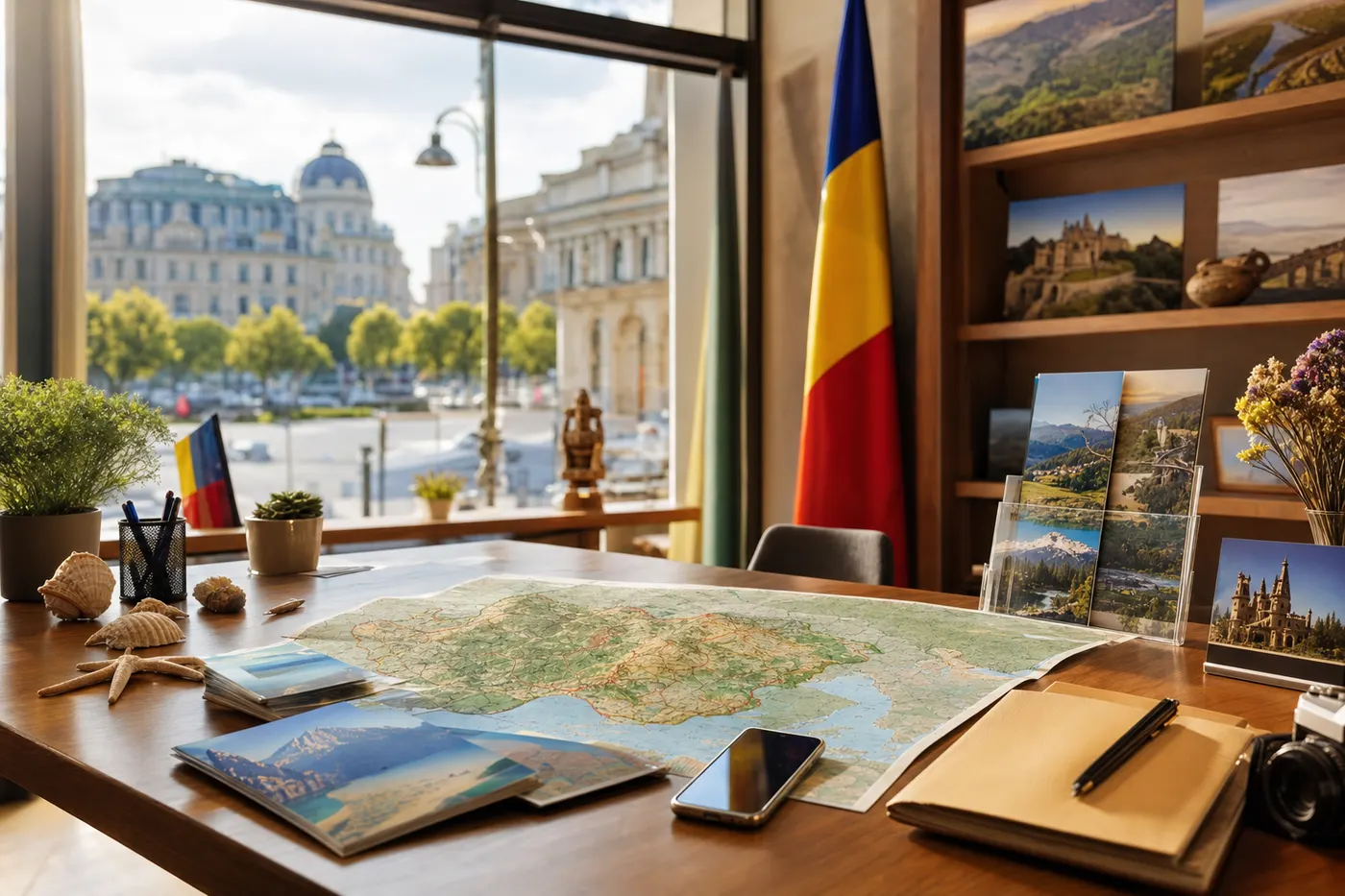
What the design agent takes over in a travel agency or a guesthouse
In a travel agency, design is not one campaign a year. It is dozens of offers a season, each with its own hotel, its own travel period and its own price, each one needed in several formats. Usually the consultant makes them in the evening, in an inherited template, or takes them from the tour operator with someone else’s logo on them. In a guesthouse, the same work comes down to a few good photos, used everywhere and cropped however they happen to fit.
The AI design agent takes over the production line, the part where the idea matters less and the patience to do the same thing correctly every time matters more.
Builds the offer visual from the data it receives: destination, hotel, travel period, starting price, what the package includes
Adapts the same offer to the formats required, square for the feed, vertical for stories and Reels, horizontal for the website and the newsletter
Selects and prepares the photos from your library, straightens them, crops them and brings them to the same light
Makes the carousel with the day-by-day program of a guided tour and the PDF offer sheet the consultant sends on WhatsApp
Prepares the seasonal material: page covers, early booking banners, gift vouchers, posters for the travel fair
Rebuilds every version of an offer when the price or the travel period changes
That last point is the one you feel the fastest. When a price changes, there is no old story or forgotten banner left somewhere showing last week’s amount.
Tell us what slows you down. We talk, then decide together whether and how we work.
What a normal working week looks like
On Monday, the AI agent receives the list of offers to promote. It can be a spreadsheet, a message or the sheet from the tour operator. For each offer it searches the library for the photos of the hotel or the destination and builds the full set of visuals, in the templates of the business.
On Tuesday you see them all in one place, grouped by offer. Each set has the items a person must verify clearly marked: the price, the number of stars, the hotel name spelled correctly, the photo chosen. You ask for changes in one sentence, and the new version arrives in all formats at once.
From Wednesday on, the approved pieces reach whoever uses them. Posts go into the schedule, the banner goes to the person who looks after the website, the PDF goes to the consultants. Toward the end of the week, the AI agent prepares what comes next: the offer for the upcoming long weekend, the seasonal cover, the material a partner asked for.
Before travel fairs and the peak of the season
There are periods when the volume jumps suddenly. Before Târgul de Turism al României, before early booking or the New Year’s Eve offers, you need a catalog, posters, flyers and visuals for screens, all at the same time. The AI agent prepares them early, on a list agreed with you, so the print files do not leave on the last evening.
The design tools it connects to
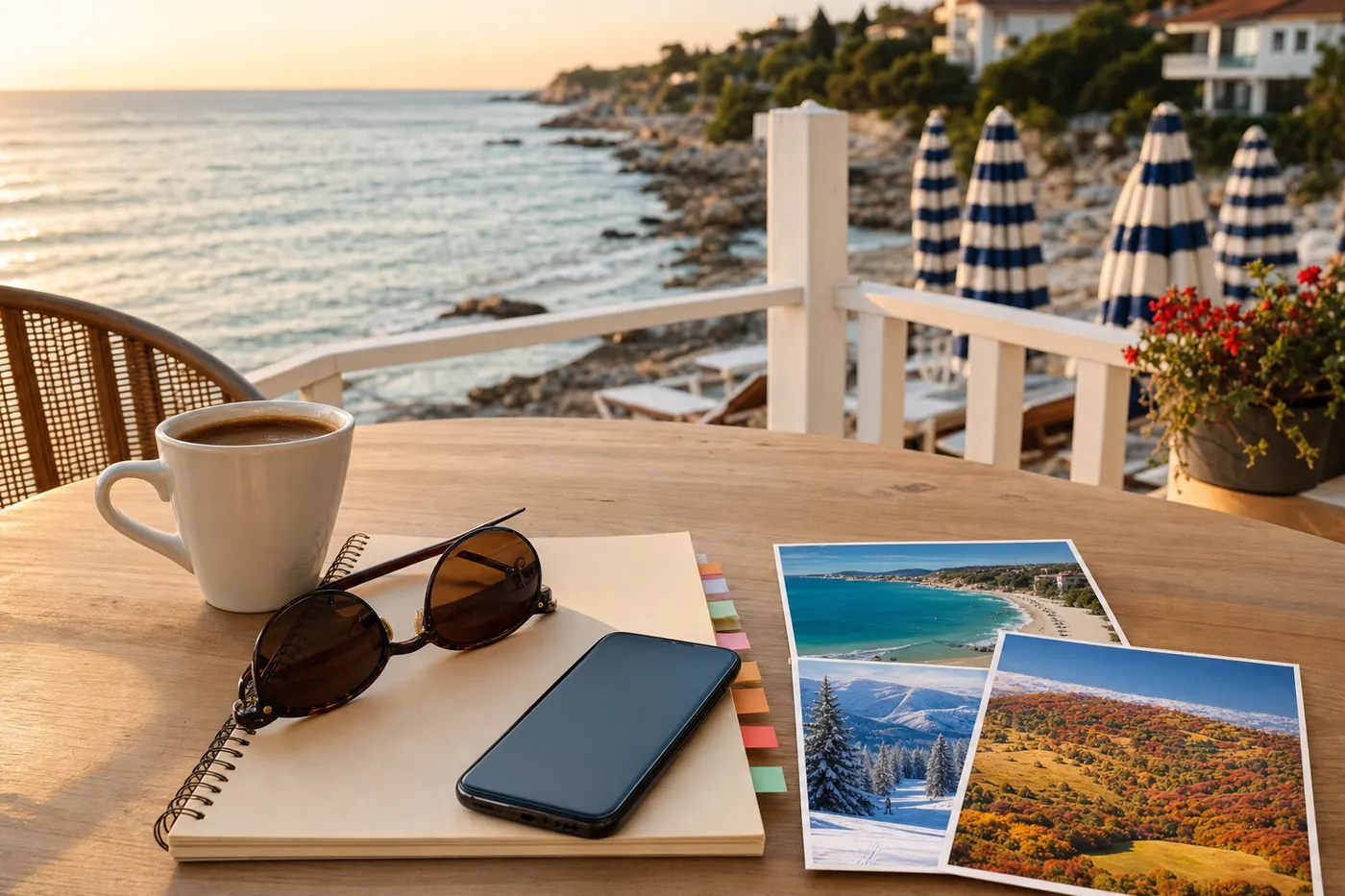
The AI agent works in the programs where you already keep your templates and photos. If there are no templates, they are built at the start, once, based on the identity of the business.
Canva, where the offer templates and the brand kit of the business usually live
Figma, if you work with a designer who built the visual system there
Adobe Photoshop and Lightroom for preparing photos, InDesign for catalogs and print material
Google Drive or Dropbox, the photo library organized by destination, hotel and room
Meta Business Suite, the newsletter platform and WordPress, the places where approved pieces end up
For accommodation providers, the AI agent also prepares the photos for the Booking.com and Airbnb profiles: their order, the cropping and which room each one shows. Uploading to the platform account is done or confirmed by a person, because there the first photo is the one a tourist sees when comparing listings.
What the design agent does not do

It does not generate images of hotels, rooms or beaches. In tourism, the image shows what you are buying. An artificially created room or a beach that does not exist is a trust problem and can become a legal one. The AI agent can generate graphic backgrounds, textures or decorative illustrations, but the place itself is shown in real photos.
It does not retouch reality. It straightens the horizon, corrects the light, crops. It does not erase the construction site next to the hotel, it does not widen the room and it does not make the sea bluer than it is.
It does not use photos you have no right to publish. Images from suppliers are used within the limits agreed with them, and images taken from the internet are not used at all. It does not take photos, so if the library is thin, you get a list of what is missing. And it does not do a rebrand. The visual identity is built by a designer, and the AI agent then applies it consistently, day after day.
How you get started with design
It starts with what exists: the logo, the colors, the fonts, a few visuals you like and a few you do not. If you have a brand manual, we follow it. If not, we set a few simple rules together, so every piece looks like it was made by the same business.
Next comes the photo library. We put it in order by destination, hotel and room and note for each source what usage rights you hold. It is the most tedious work and the one that shortens everything that follows.
Then we build the templates for the pieces you make most often and start with the offers of a single week. Once approval becomes routine, we add the seasonal material and the print material. We tell you the cost of the tools, for example a Canva subscription, transparently before we begin.
Do you have an offer template you have been using for years? Send it to us together with a few real offers. We will show you what the full set would look like for each one.
Where a person steps in on offer visuals
An offer visual is a promise with a price on it. If the amount, the travel period or the hotel is wrong, the customer shows up with the image in hand and asks for exactly what it says. That is why nothing is published without approval.
The price, the travel period, the departure airport and what the package includes are confirmed by the consultant who built the offer
The number of stars or daisies on the visual must match the classification certificate, and a person verifies that
The photo chosen must show the room or the hotel actually being sold, confirmed by someone who knows the place
Print files are approved before they go to the print shop, because a printed mistake cannot be corrected
Any change of logo, colors or style is decided by the owner or the management of the business
The AI agent helps keep approval short. Next to each visual it places the data it was built from, so the person approving can compare at a glance what the image says with what the offer says.
To what we sell
The most important link on the page. From here you go up to the agent we sell.
Related links
Sideways, on the same level, so you can move easily between pages.
Questions about design and creative in tourism
Can we use the hotel photos we receive from tour operators?+
Usually yes, for promoting their offers, but the conditions differ from one supplier to another and are checked at the start. The AI agent notes for each source what can be used and where. Where you have your own photos, from familiarization trips or from customers who gave their consent, it puts them first, because they do not appear on other agencies’ websites.
Can the AI agent generate images of the destinations we sell?+
Not of real places. A generated image of a hotel or a beach shows something the tourist will not find, and in tourism that comes back as a complaint. The AI agent uses real photos and can create only the graphic elements around them: backgrounds, icons, decorative illustrations, stylized maps of a route.
What happens when the price of an already published offer changes?+
The AI agent keeps the link between the offer and every visual made for it. When the consultant changes the price or the travel period, you receive the rebuilt set, plus the list of places where the old version was published. Replacing the posts and banners is confirmed by a person, so nothing disappears that people have already commented on.
We already have a designer. Is there still a point to an AI agent?+
Yes, if your designer is now also doing the production work. The AI agent takes over the resizing, the price versions and the weekly offers, on the templates the designer built. The person stays on what needs an eye and an idea: the identity, the big catalog, the seasonal campaign. This split frees the designer from the repetitive part and leaves you with a single style everywhere.
Does it also make print material, not just online visuals?+
Yes. Flyers, posters, seasonal catalogs, gift vouchers or the in-room information sheet are prepared in the format the print shop requires. The difference from online is that approval is stricter here. The final file is verified by a person, line by line, before it is sent, because a wrong price on paper stays wrong.
Tell us what slows you down. We talk, then decide together whether and how we work.