How an AI agent takes over customer onboarding in a HoReCa venue
An AI customer onboarding agent handles everything about the first interaction between a venue and a new guest, whether that guest arrives through the restaurant door, through an online reservation or through an order on Glovo. It takes over the welcome message, collects preferences and allergens, enrolls the customer in the loyalty program and guides them through the QR menu. It works connected to the venue’s tools, from the POS to the delivery platforms and the Google profile, so that every new customer gets the same fast response. A person on the team remains the one who reviews delicate situations and decides where to depart from the rule.

What a customer onboarding agent takes over in a venue

In a restaurant, a cafe or a bar, customer onboarding does not end at the first hello. A new customer goes through several steps before becoming one who comes back, and the agent takes the repetitive part of those steps, so the floor staff can stay with the people in front of them.
It replies to a new customer’s first message on WhatsApp, Instagram or through the reservation form and guides them to the menu, opening hours and location.
It collects preferences and allergens from the very first order and records them in the customer profile, linked to the POS.
It enrolls the customer in the loyalty program and sends the welcome offer for the second visit.
It asks for a review on Google or TripAdvisor at the right moment, after the first experience is over.
All of these actions start from the venue’s real data, not from generic templates. The agent knows which dishes are in stock today, which tables are free tonight and which order has just come in on Tazz, so the reply matches what is happening in the kitchen.
Tell us what slows you down. We talk, then decide together whether and how we work.
First contact with a customer who came through Glovo, Tazz or Bolt Food

A customer who orders from you for the first time through Glovo, Tazz or Bolt Food has never seen the dining room and has never spoken to anyone on the team. The agent takes over this first digital contact. When the order enters the POS, through an integration like the ones offered by Expressoft or Horeka Connect, the agent recognizes that this is a new customer and prepares a thank-you message that fits what they ordered.
The paperwork side belongs here too. If a delivery customer asks for an invoice, the agent can trigger it through SmartBill or Oblio and have it sent to SPV for e-Factura, in line with ANAF requirements, without anyone in the kitchen stopping the flow. The customer receives the confirmation, and their profile stays complete for next time.
A venue usually works with Glovo, Tazz and Bolt Food in parallel, each with its own pace and its own messages. The agent treats them as one, so a customer who ordered on Glovo on Monday and on Tazz on Thursday is recognized as the same person, not as two different guests. That matters when you want to offer a discount on the third order or avoid sending the same welcome offer twice.
Reservations, tables and the profile of the returning customer

Reservations are the moment a new guest tells you their name for the first time. The agent takes the reservation that comes in through the website form, through Google or through a direct message, confirms the table based on real availability and sends a reminder before the visit. If the venue has several areas, such as a cafe’s terrace or a bistro’s private booth, the agent asks from the start what the customer prefers.
After the first visit, the customer enters the venue’s records with everything that matters for next time, from their favorite table to the fact that they come with a child or avoid lactose. At the second reservation, the agent uses this data so the guest feels recognized. That is how a loyal customer is built out of one who came only once.
No-shows are a direct loss for a small venue. The agent reduces the risk with reminders sent a few hours ahead and by asking for a simple confirmation. If a customer cancels, the table is freed up in the system and becomes available for another reservation, without anyone updating the floor plan by hand.
Reviews on Google and TripAdvisor after the first visit

A good review on Google or TripAdvisor brings in the next new customer, so onboarding closes with a review request made at the right time. The agent sends the invitation after the customer has left satisfied, not in the middle of the meal, and only to those who had a complete experience. An active Google profile also enters automatically into campaigns such as Recenzia de Aur, the annual distinction for venues with a strong presence on the map.
When a review appears, the agent can flag it to the team and prepare a draft reply in the venue’s tone. A critical review is not answered on autopilot. It reaches a person who decides how to respond. This way, online reputation grows steadily, and the sensitive situations stay in the hands of someone on the team.
Menu, allergens and preferences linked to stock and recipes
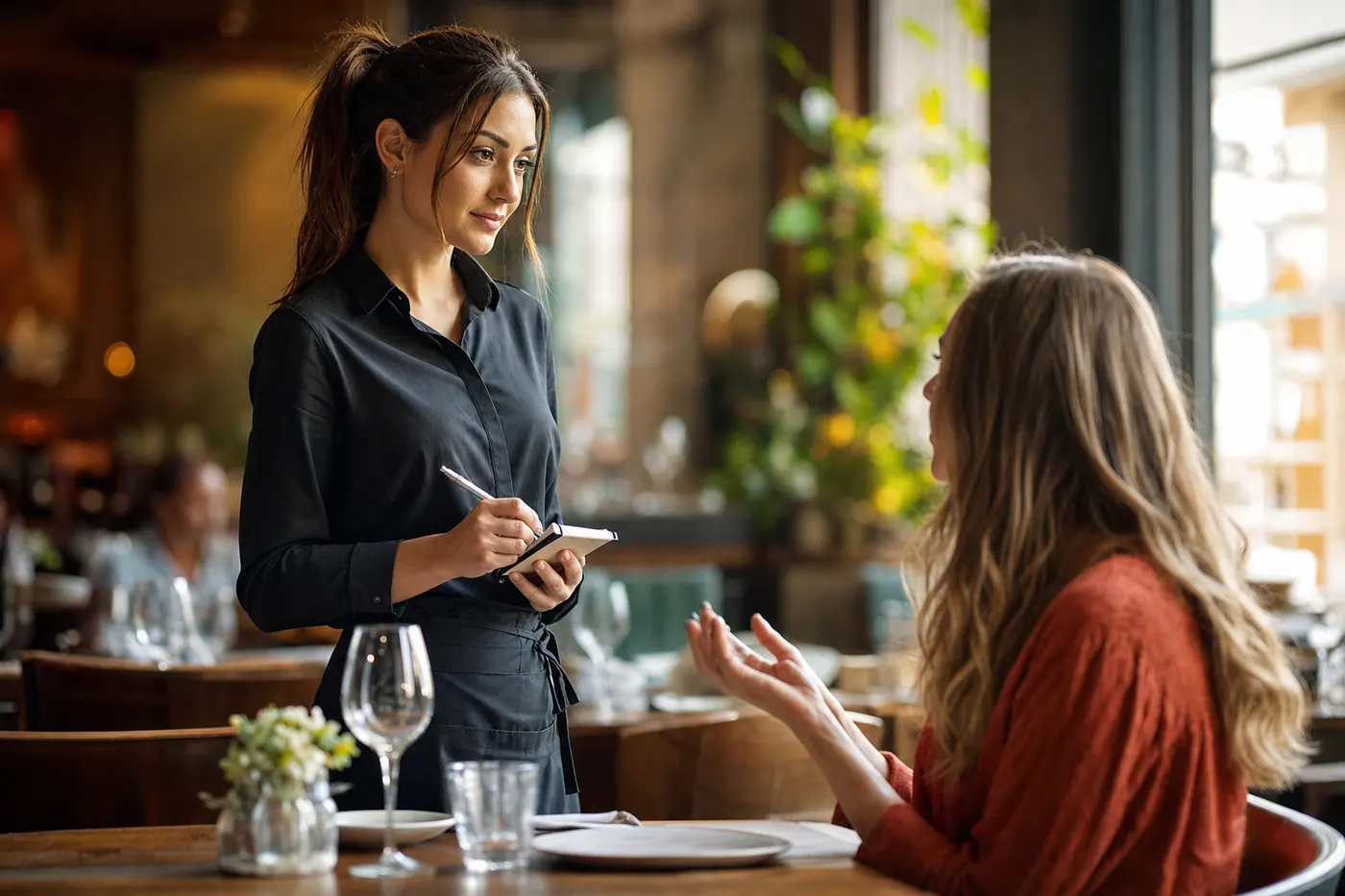
A new customer always asks the same questions about the menu, and the agent answers with the exact information, not with guesses. Because it is linked to the venue’s inventory system, it knows which dishes have run out, what each recipe contains and which allergens need to be flagged. If a dish has sold out, the agent stops suggesting it and recommends an alternative from the available menu.
The QR menu, mandatory for many venues under Order 201/2022, becomes an onboarding touchpoint this way, not just a static list. The customer scans the code, and the agent can answer questions about portions, ingredients or vegetarian options, using the same data the kitchen sees. The preferences stated now are saved in the profile and shorten the next order.
For a bar or a cafe, the menu changes often, with seasonal dishes and new drinks. The agent picks up these updates from the inventory system and explains them to new customers without the bartender repeating the same description fifty times. When a new cocktail appears, the first customer who asks gets the correct description, with up-to-date ingredients and allergens.
Where the human steps in
The agent takes the volume and the repetition, but it does not stand in for the venue’s people on decisions that call for judgment. A person on the team reviews the replies to negative reviews, approves the more generous welcome offers and decides what happens when a customer asks for something out of the ordinary, such as a reservation for a private event or a complaint about a wrong order on Bolt Food.
Likewise, any situation with money or image at stake reaches a person who reviews before anything is sent. The agent prepares the context, gathers the customer’s history and proposes a next step, and the final decision stays with the staff. This split keeps the flow fast without the venue losing control over its relationship with guests.
A customer onboarding agent does not replace the hospitality on the floor. It takes the digital, repetitive part of the first interaction, so the team has time for the guests in front of them.
To what we sell
The most important link on the page. From here you go up to the agent we sell.
Related links
Sideways, on the same level, so you can move easily between pages.
Questions about customer onboarding in HoReCa
Does the onboarding agent reply to customers who order on Glovo or Tazz?+
Yes. When the order enters the POS through an integration such as Expressoft or Horeka Connect, the agent recognizes a new customer, sends the right thank-you message and saves their preferences for next time.
Can the agent issue an invoice and send it to SPV?+
Yes. For customers who ask for an invoice, the agent can trigger it through SmartBill or Oblio and have it sent to SPV for e-Factura, in line with ANAF requirements, without stopping the flow in the kitchen.
How does the agent help with reviews on Google and TripAdvisor?+
It sends the review invitation after the customer has left satisfied and prepares draft replies in the venue’s tone. Negative reviews are not answered automatically. They reach a person who decides how to respond.
What stays with the venue’s team?+
The decisions that call for judgment. A person reviews the replies to critical reviews, approves the more generous offers and takes the out-of-the-ordinary requests, such as private events or complaints about a wrong order.
Tell us what slows you down. We talk, then decide together whether and how we work.