AI PR and communications agent for auto repair shops, from the local press to the tricky moments
An AI PR and communications agent for an auto repair shop keeps track of what’s being said publicly about the workshop, writes press releases for local media, prepares important announcements and drafts replies when a delicate situation comes up. Nothing goes out in the shop’s name until the owner has read and approved every word.

What the PR agent takes over in an auto repair shop
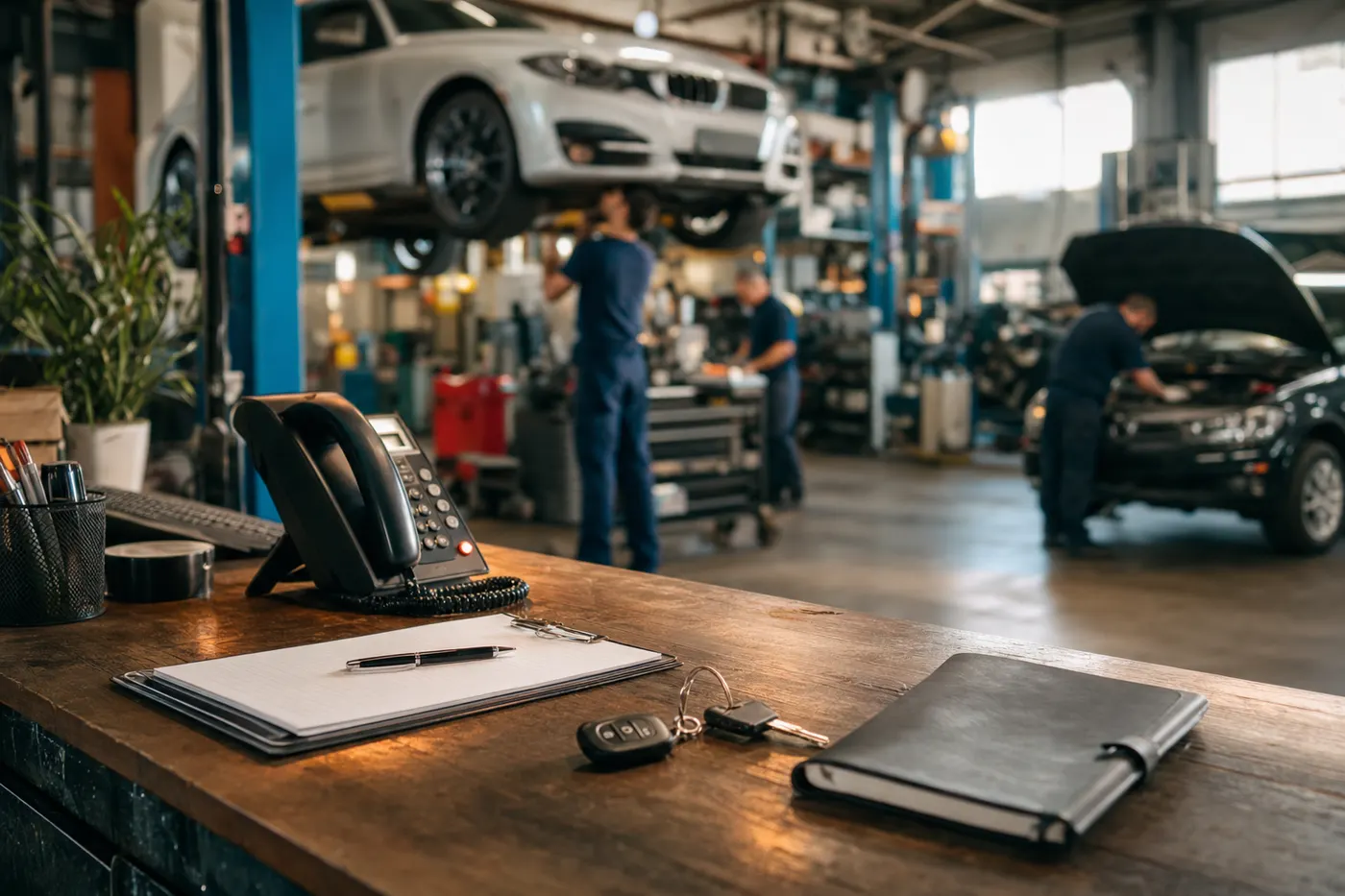
A neighborhood repair shop doesn’t think about PR. It thinks about the cars up on the lifts. But public communication happens anyway, even if nobody does it on purpose. It happens in the town’s Facebook group, where someone asks where to take their car. It happens in the local news story about new workshops in the area. It happens in the post of an unhappy customer that collected comments overnight.
The AI PR agent takes over the monitoring and the preparation. You remain the voice of the shop, and the agent makes sure you know what’s being said and that you have the text ready when you need to say something.
Tracks mentions of the shop in local media, public town groups and review platforms, and sends you a summary
Writes short press releases for moments worth announcing: a new building, new equipment, a new authorization, a local partnership
Keeps a list of the local journalists and outlets that cover business, cars or the community
Drafts replies for delicate situations, from an angry post going viral to a question from a journalist
Keeps an up to date profile page of the shop, with its history, team and services, that you can send to anyone who asks for information
Tell us what slows you down. We talk, then decide together whether and how we work.
The moments when a repair shop actually has something to say

A repair shop doesn’t have news every week, and it shouldn’t make any up. But it does have a few moments a year that deserve to be said publicly, and they usually go unnoticed because nobody has time to write them up.
Opening a second location, moving into a new segment such as electric or hybrid cars, a new authorization from the Romanian Automotive Register, investing in diagnostic or alignment equipment, taking on apprentices from a local vocational high school. For local media, these are real stories about a business in the community. The agent turns your information into a press release, with a quote you approve.
There are also public information moments, where the shop can be useful without selling anything: what to check before the first drive on snow, how to tell a tire is too worn, what a recall campaign announced by your car’s manufacturer means. A clear piece on topics like these, sent at the right time, can get picked up by a local news site and bring visibility without paid ads.
Then there are the hard moments. A car damaged while it was in the shop. A customer publicly accusing you of a botched job. A review that starts a heated thread in the town group. Here, speed and calm matter more than any polished text, and the agent has the draft ready within minutes so you can decide with a clear head.
A normal week, with and without news

Most weeks, the agent’s work is quiet. Every day it checks new mentions and logs them in a list: what’s praise, what’s a question, what’s a complaint. On Monday it sends you the summary, with what deserves a reply and what can be left alone.
If the week has a story, the agent prepares the press release and the list of outlets it would go to. It sends you both together, so you see exactly what goes out and where. After approval, the release reaches journalists with a short, personal note, not as spam blasted to an entire list of addresses.
If a delicate situation comes up one day, the pace changes. The agent alerts you right away, pulls together the context, meaning who wrote it, what they wrote and what you know about that job from the work order, and puts a calm draft reply in front of you. You decide whether to respond publicly, privately or not at all.
The tools and channels it uses
PR for a local repair shop happens on simple channels. The agent doesn’t need expensive monitoring platforms to be useful.
Google Alerts, for mentions of the shop’s name and of its street or neighborhood
Google Business Profile and review platforms such as UndeRepar, where most opinions about workshops show up
Facebook, for the shop’s page and for the town’s public groups where people talk about cars
Gmail or Outlook, for sending press releases to journalists one at a time
Google Sheets or Notion, for the list of local media contacts and a record of what was sent
Your shop management software, such as ServiceMonitoro or Selectsoft, to check the facts about a job before any public reply
What the PR agent doesn’t do
It doesn’t invent quotes and doesn’t put words in your mouth that you haven’t approved
It doesn’t jump into heated threads in town groups on its own and doesn’t reply to criticism on reflex
It doesn’t contact journalists without your approval and doesn’t send mass press releases
It doesn’t make technical statements about accidents, defects or the safety of a specific car
The agent doesn’t replace a communications consultant in a serious crisis. What it does is help you avoid being caught off guard and have the first text ready. If the situation escalates, the decision to bring in a specialist is yours.
How to get started with local PR
The first step is monitoring. The agent starts tracking what’s being said about the shop and sends you the first summary. Sometimes you learn from it about conversations around your workshop that you had no idea were happening. In parallel, it builds the shop’s profile page and the list of local media contacts.
Then you agree together on a set of prepared replies for situations that keep coming up: an unfair review, a public question about prices, a complaint about turnaround time. The first press release comes when you have a real story, not because the calendar says so.
Where a person steps in on the shop’s public communication
Every word that goes out publicly in the shop’s name goes past you. The press release, the reply to a post, the message to a journalist, the quote attributed to you. The agent writes the draft, you decide the final form and the timing.
In delicate situations, a person decides everything. If a customer publicly accuses the shop over a job, the reply touches on facts, money and sometimes legal liability. The agent shows you what the work order says and suggests a tone, but it doesn’t admit fault or deny it on your behalf. If the dispute turns into a complaint to the National Authority for Consumer Protection or involves a lawyer, communication passes entirely to you and whoever advises you.
You also decide what information about a customer can be said publicly. The agent never makes details from a car’s history or someone’s invoice public, not even to defend the shop’s position.
To what we sell
The most important link on the page. From here you go up to the agent we sell.
Related links
Sideways, on the same level, so you can move easily between pages.
Questions about PR and communications in auto repair
Does a small repair shop really need PR?+
Not PR in the sense of agencies and press conferences. It needs to know what’s being said about it, to have a calm reply ready when a problem comes up and to share the good moments publicly, such as a new building or a new authorization. That’s exactly the part the agent takes over, with you approving every step.
What happens if a customer attacks me publicly on Facebook?+
The agent alerts you right away, gathers what the customer wrote and what the work order says about the job, then suggests a calm draft reply. You decide whether to respond publicly, call them or write to them privately. The agent doesn’t reply on its own and doesn’t make details about the customer’s car or invoice public.
Does it send press releases to every newsroom in the country?+
No. For a repair shop, the media that matter are local: the town’s news sites, the county’s business outlets, sometimes a segment on local TV. The agent keeps a short list of journalists who actually cover these topics and sends them the release personally, and only after you’ve approved it.
Can the agent talk to a journalist on my behalf?+
No. The agent can draft written answers to a journalist’s questions and prepare a brief with what you might be asked, but the statements are yours to give. A quote attributed to the owner of a repair shop has to genuinely be theirs, especially when the subject is sensitive.
Tell us what slows you down. We talk, then decide together whether and how we work.