AI reservations and table management agent for restaurants and cafes
In a restaurant, a cafe or a bistro, reservation requests come in from TheFork, by phone and from Google at the same time, and someone has to fit them onto a table map that changes every hour. An AI reservations and table agent takes exactly this repetitive part. It gathers every request into a single calendar, seats each group at a suitable table and sends confirmations and reminders to customers. It stays connected to the venue’s POS, so that occupied tables, table orders and SmartBill invoices all talk to each other.
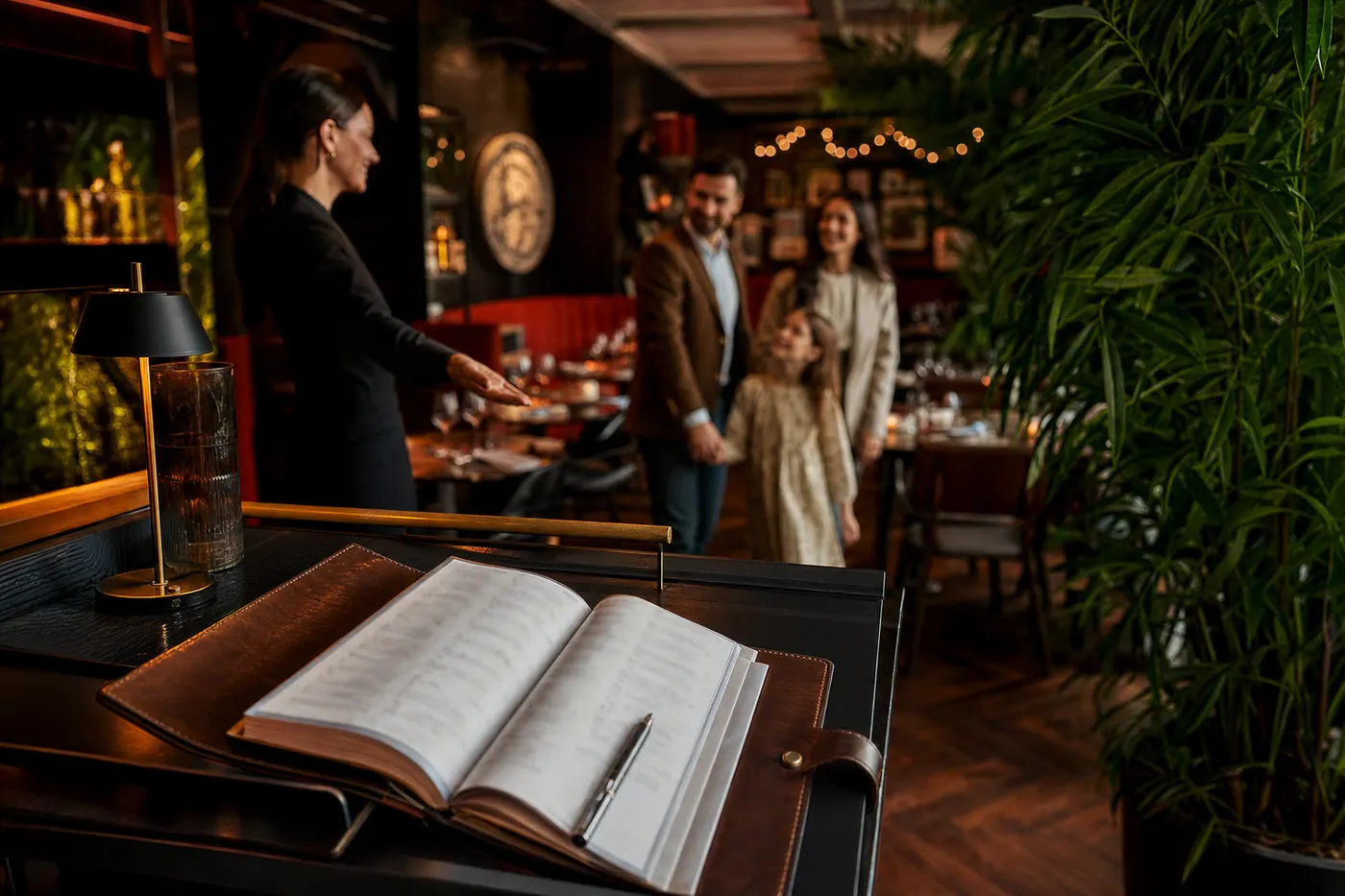
What a reservations and table agent takes over in a venue
In a restaurant or a cafe, reservations never stand still. A group of four calls on the phone while another customer sends a request through TheFork, and someone at table 7 has just left early. An AI reservations and table agent takes the repetitive flow out of all this, meaning the requests that come from several places at once and have to be fitted onto a table map that is constantly changing. Here is what it takes on its shoulders in a typical venue.
It takes reservation requests from TheFork, by phone and from the website form, then puts them all in the same calendar, with no double entry.
It seats each group at a table that fits the party size and checks for reservations that overlap in the same slot.
It sends the confirmation and the reminder to the customer by SMS or WhatsApp, with the time, the party size and a way to cancel.
It frees up tables after the group leaves and gets them ready for the next seating, so the waiter sees right away what is free.
Tell us what slows you down. We talk, then decide together whether and how we work.
Reservations from TheFork, phone and Google in the same calendar
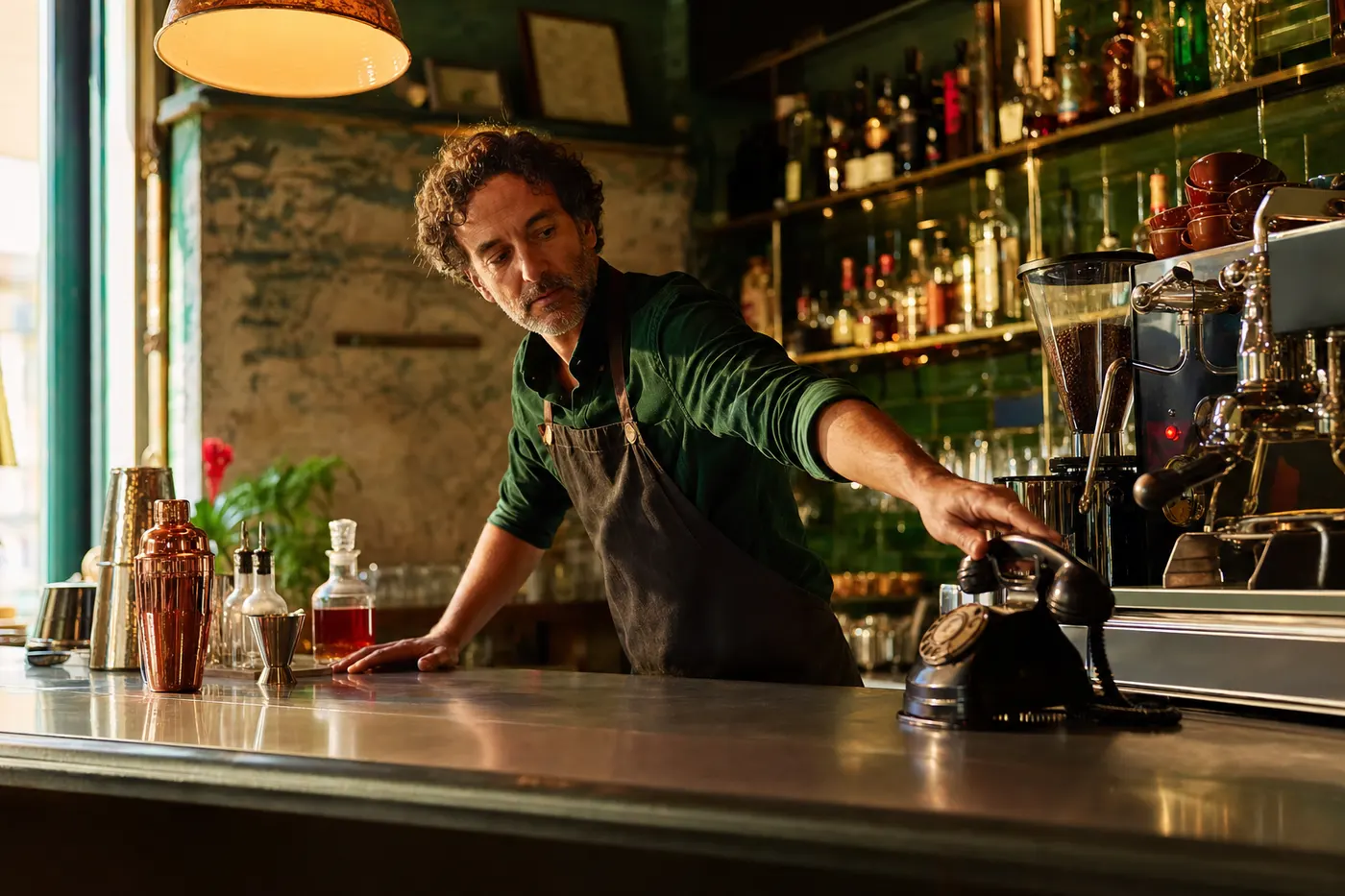
The real problem in a venue is not that too few reservations come in. It is that they come from too many places. One arrives from TheFork, another from a customer who calls during lunch service, another from the booking button on the restaurant’s Google profile. When each channel lives separately, two groups end up at the same table at 8 pm and someone leaves upset. The agent gathers all these sources into a single table calendar, checks real availability before confirming and blocks the slot immediately, so the next request sees the table as already taken.
For the customer who calls, the agent can take the spoken request, confirm the time and the party size and write down the reservation without anyone at the bar putting down a glass. For the one who books online, it sends a confirmation message with the details right away and a reminder a few hours ahead, which cuts sharply into the number of tables reserved for nothing. The waiter is left with one clear list for the evening shift, not three sources that contradict each other.
How tables connect to orders from Glovo, Tazz and Bolt Food

A venue does not live only on the customers sitting at tables. Delivery orders from Glovo, Tazz and Bolt Food flow in parallel, and the kitchen is the same for everyone. When the dining room is full of reservations and ten deliveries appear on the order screen at once, someone has to decide what goes out first, otherwise both the customer at the table and the one at home wait too long. The agent connects to the POS that centralizes these platforms, as Romanian systems such as Expressoft or boogiT do, and sees in real time how loaded the kitchen is.
With this picture, the agent can gently stretch the gaps between reservations at peak hours, so the dining room and deliveries do not choke each other, and it can flag when the kitchen’s real capacity has already been reached. It does not run the kitchen, but it puts reservations and delivery orders in the same order of priorities, so the staff on shift work to a single rhythm, not to two parallel queues that trip over each other.
Reviews on Google and TripAdvisor after the customer leaves
The experience in a venue does not end when the customer pays. A day later a review appears on Google or TripAdvisor, and those stars decide whether the next group picks your restaurant or the one across the street. Because the agent already knows who had a reservation and when, it can send a short thank-you message after the visit and a gentle invitation to leave feedback, a few hours after the group has left, not three days later when the memory has faded.
When a new review appears, the agent can bring it to the front and prepare a draft reply with a fitting tone, which the owner or the manager reads and publishes. For a five-star review the reply is simple, but for a critical one every word counts, and here the text always stays with a person who reviews before it appears publicly under the venue’s name. This way the restaurant replies quickly and in a consistent tone, without anyone keeping an eye on two platforms every day.
Menu, stock and invoices that stay in sync
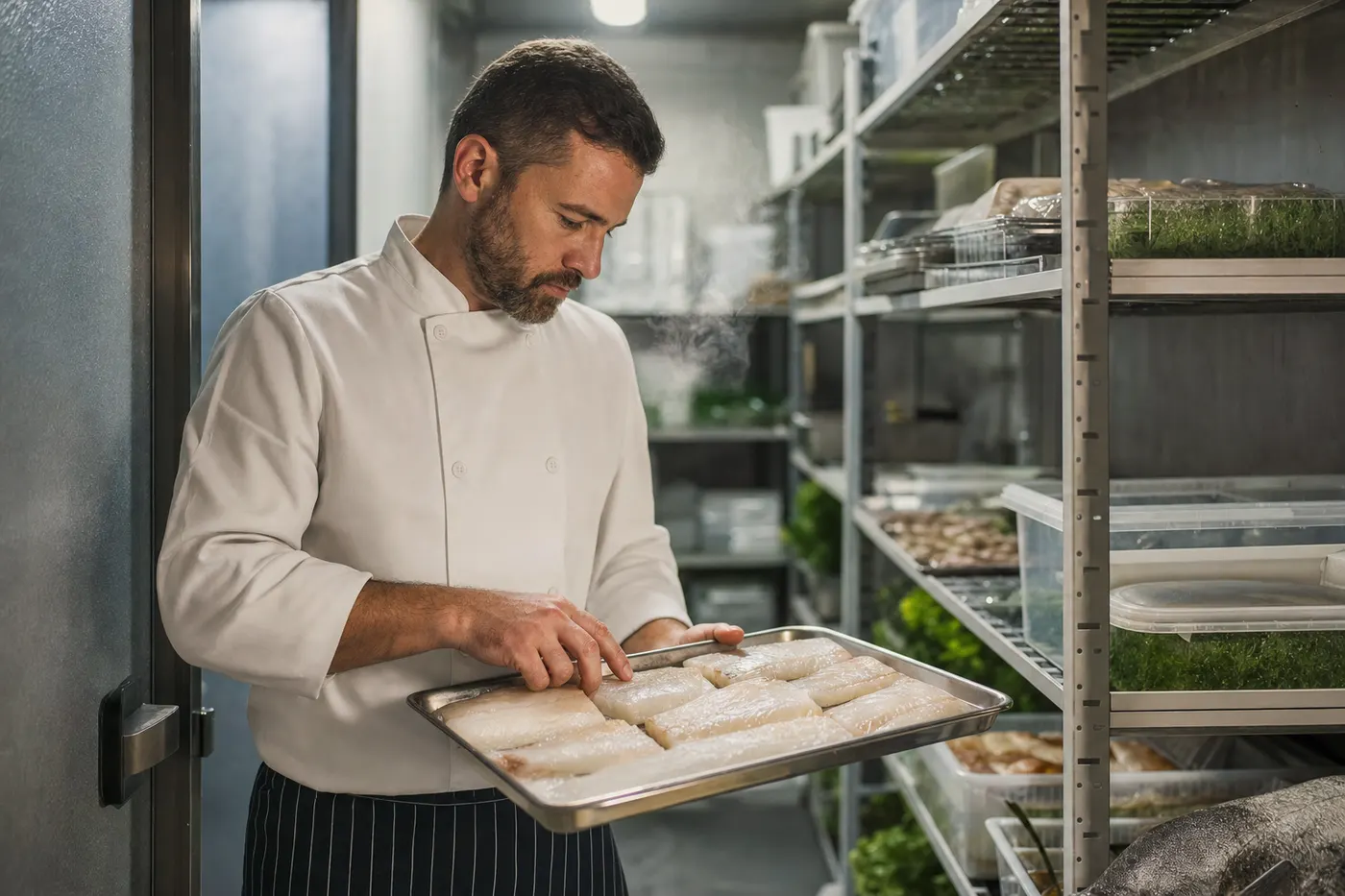
Reservations do not sit apart from the rest of the venue. When a dish runs out in the kitchen, it has to come off the menu on TheFork and off the one shown on the delivery platforms too, otherwise the customer orders something that no longer exists and the frustration starts before the first bite. The agent can keep the menu, stock and recipes in sync, mark sold-out items on all channels at once and warn the staff when a key ingredient drops below a threshold, so the supply list is not a Saturday night surprise.
Invoicing stays connected to the same logic. The venue’s POS issues receipts and invoices through invoicing tools such as SmartBill or Oblio, which then send the documents to SPV and report them through e-Factura to ANAF. The agent makes sure every order, from a table or from delivery, ends up on the right invoice and can flag mismatches before they turn into an accounting problem at the end of the month. This way the reservation, the table, the order and the invoice are part of the same chain, not four systems that ignore each other.
Where the human steps in
A reservations agent is useful precisely because it does not decide on its own the things that touch the venue’s reputation and money. Large event reservations, a group of thirty for a birthday or a booking of the whole dining room, stay with the owner or the manager, because that is where the menu, the deposit and the schedule get negotiated. In the same way, a critical review on Google or TripAdvisor gets a draft from the agent, but the final text is approved by a person before publishing, so the tone belongs to the venue, not to a robot.
The delicate situations on the floor also stay under human oversight: an unhappy customer who asks for a specific table, an overlap the agent flags but cannot solve from the calendar, or a decision about compensation. The agent makes the problem visible early and prepares the options, and the staff choose. The rule is simple: repetitive, predictable work goes to the agent, and the decisions that touch the customer relationship and the venue’s image stay with people.
To what we sell
The most important link on the page. From here you go up to the agent we sell.
Related links
Sideways, on the same level, so you can move easily between pages.
Questions about appointments and bookings in HoReCa
Does the agent take reservations that come in by phone, or only online ones?+
It takes both. Requests from TheFork, from the website form and from the Google button go straight into the table calendar, and for phone calls the agent can take the spoken request, confirm the time and the party size and write down the reservation, so the staff on shift do not interrupt service.
How does the agent avoid seating two groups at the same table?+
It checks real availability before every confirmation and blocks the reserved slot immediately, so the next request sees the table as already taken. When an overlap does appear that cannot be solved from the calendar, it flags it to a person who decides, instead of confirming blindly.
What happens with delivery orders from Glovo, Tazz and Bolt Food?+
The agent connects to the POS that centralizes these platforms, as Romanian systems such as Expressoft or boogiT do, and sees how loaded the kitchen is. It can stretch the gaps between reservations at peak hours, so the dining room and deliveries do not choke each other, but it does not run the kitchen on its own.
Does the agent reply to Google and TripAdvisor reviews on its own?+
It publishes nothing on its own. It brings new reviews to the front and prepares a draft reply with a fitting tone, and the final text stays with the owner or manager, who reads and approves it before publishing. For a critical review every word counts, so the decision rests with a person who reviews.
Tell us what slows you down. We talk, then decide together whether and how we work.