How an AI procurement and supplier agent works in a HoReCa venue
An AI procurement and supplier agent handles the tedious, risky side of supplying a restaurant, cafe or bar. It tracks what gets used from recipes and stock, drafts supplier orders before you run out, and lines up the invoices received through SPV with what actually came into the kitchen. It doesn’t sign anything on your behalf. It gathers the data, compares it and leaves you with a clear decision. Every large order stays with a person who reviews it.
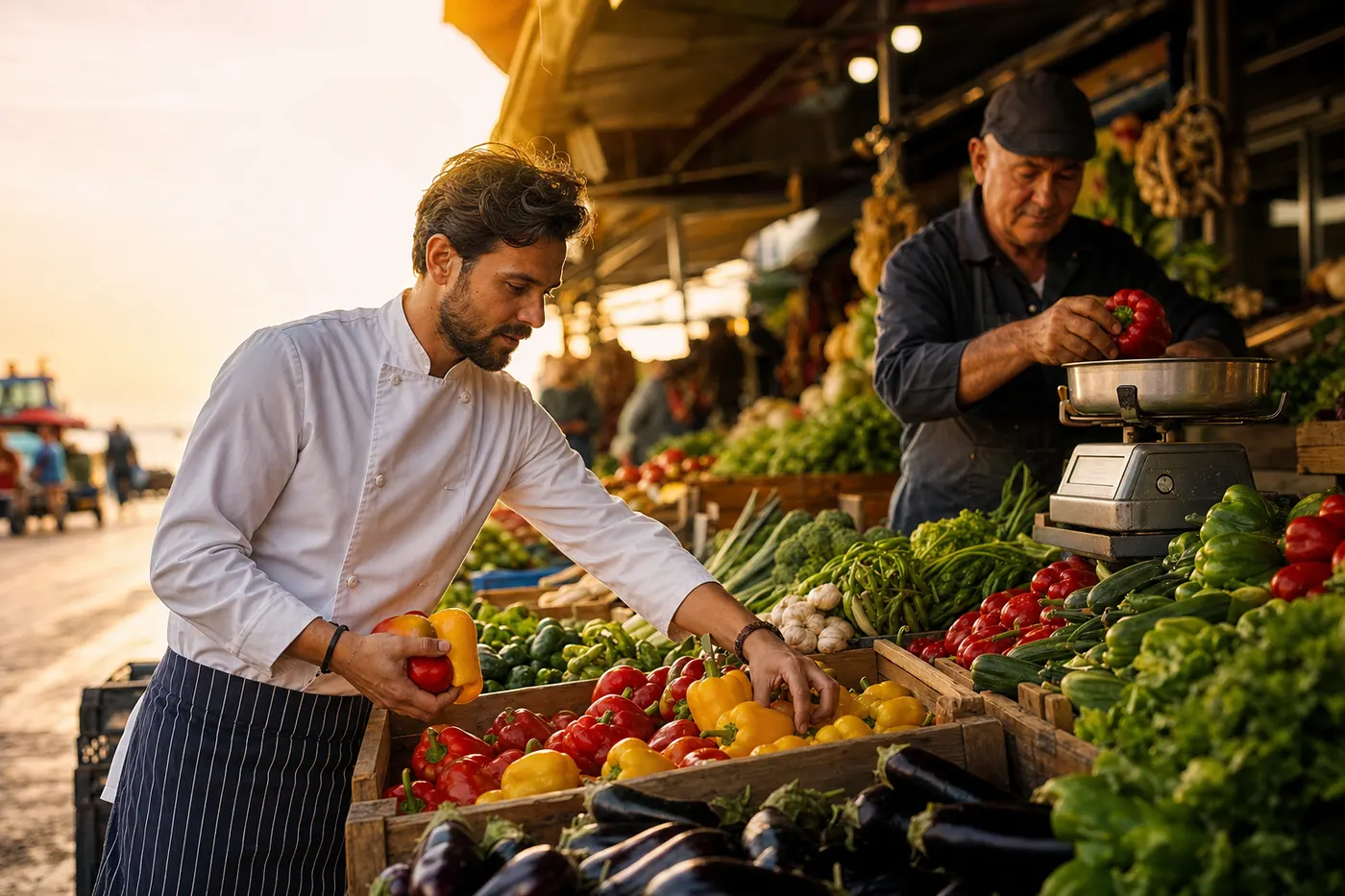
What a procurement and supplier agent takes over in a venue
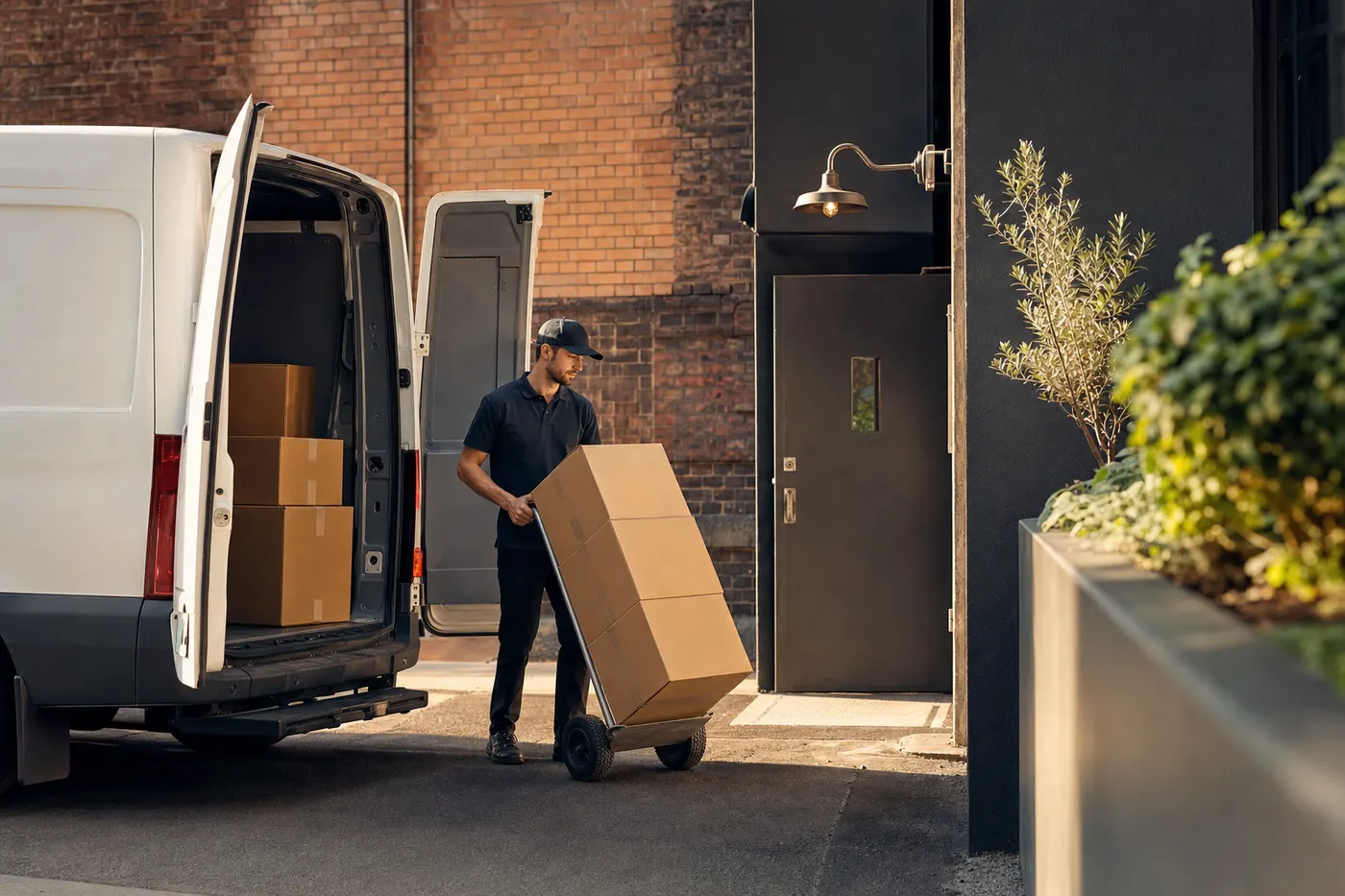
In a busy venue, supply usually runs on memory and in a hurry, between the lunch shift and the evening one. The agent moves that work out of your head and onto paper, or rather into the POS and the inventory software. Here is what it takes on, without touching the money or the contracts.
Drafts supplier orders based on real consumption from recipes and remaining stock, not on a guess at the end of the day
Compares prices on invoices from METRO and local suppliers with what you paid last time for the same product
Pulls invoices from SPV and ANAF e-Factura and matches them with the goods received and the goods received note (NIR)
Keeps track of suppliers, delivery lead times and the products that are often missing or arrive late
Tell us what slows you down. We talk, then decide together whether and how we work.
How it ties supplier orders to the real stock in the kitchen
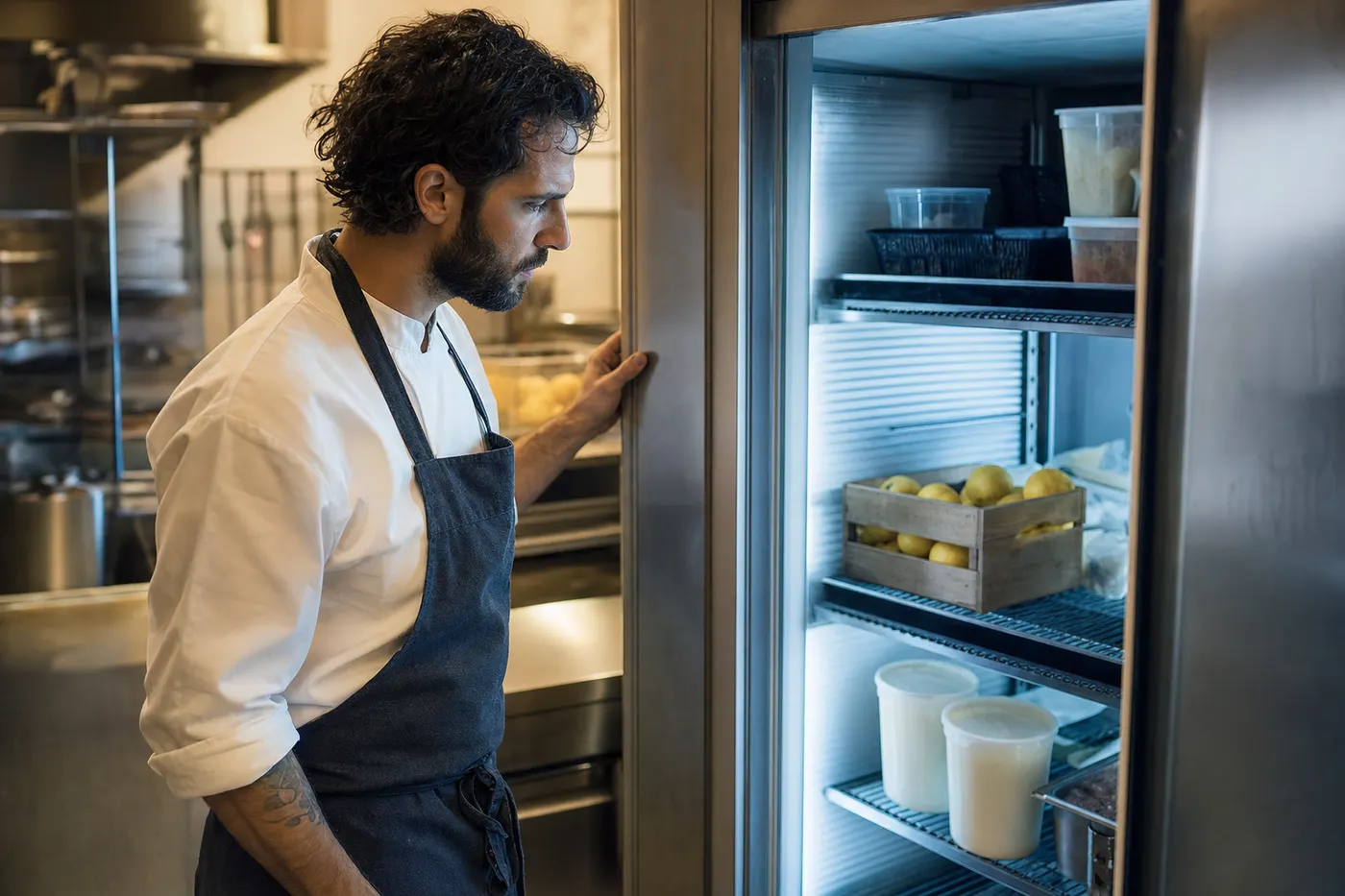
The classic problem in a restaurant isn’t that you don’t know how to order, it’s that you don’t have time to do the math. Every dish sold takes ingredients out of stock, and the POS with inventory, whether it’s Ebriza, FlowManager or Expressoft, already knows the recipe behind the plate. The agent reads this consumption day by day and turns burger and coffee sales into concrete quantities of meat, buns, beans and milk that need to be reordered.
This is where deliveries come in. Orders from Glovo, Tazz and Bolt Food, connected to the POS through an integrator such as GetOrder or boogiT, eat into the same stock as the tables in the dining room, only much faster on weekends. The agent accounts for these peaks and warns you early that, at Friday night’s pace, you’ll run out of sauce or delivery packaging by Sunday lunch. Instead of discovering the shortage when the courier arrives, you get a supplier order already drafted, with minimum thresholds set for every critical ingredient.
Invoices from SPV and ANAF e-Factura reach your stock without manual re-entry

Once the goods have been ordered and delivered, the part that eats the most admin time begins: receiving and invoices. Suppliers upload the e-Factura to SPV, and someone in the venue has to download each document, check the quantities and write up the NIR. Software such as FlowManager downloads invoices from SPV and generates the goods receipt in a few clicks, and Expressoft turns an e-Factura into a complete receipt, but someone still has to look them over.
The agent takes over exactly this step. It takes the invoice from SPV, reads it line by line and compares it with the order you sent and with the goods that actually came through the door. When the supplier delivered 8 crates instead of 10, when the price of oil jumped compared with last week, or when a product on the invoice never arrived at all, you get a clear alert, not a surprise found a month later at stocktaking. Documents stay matched to stock, and you see the differences before you pay for them.
Supplier prices and food cost under the same eye

In a bistro or a cafe, margin leaks away quietly. One supplier raises the price of beans by a few RON per kilogram, another quietly changes the price of dairy, and you only find out when the numbers don’t add up at the end of the month. The agent tracks the unit price of every product, from METRO to the local cheese producer, and shows you in black and white where the cost went up and by how much compared with recent deliveries.
It makes the link to the menu through recipes. Every dish has a cost per portion, and when the price of an ingredient rises, the agent tells you which dishes become less profitable and how much you still make on a coffee or a platter. It doesn’t change your menu and it doesn’t set your selling price. It puts the real data on the table so you decide whether to renegotiate with the supplier, look for another one or adjust the portion. It also compares several suppliers for the same product, so you quickly see where you would pay less for the same quality.
How the agent gets started in a restaurant or a cafe

Getting started doesn’t require changing the software you already use. The agent is framework-agnostic, meaning it connects to the venue’s POS and inventory system, to the SPV account for invoices and to your supplier list, whether you work on Ebriza, FlowManager, Expressoft or something else. The recipes and minimum thresholds you already have in the system become the basis for calculating orders.
The simplest way is to start small, with a few critical ingredients that run out often or cost a lot, plus the invoices from one or two main suppliers. Once you see that the agent correctly captures consumption from the dining room and from Glovo, Tazz and Bolt Food, and that it matches SPV invoices with goods receipts, you expand gradually to the whole menu. There is always a person who reviews the important decisions, and the agent takes on the repetitive volume that would otherwise steal your evenings.
Where the person steps in
The agent prepares, compares and flags, but it never decides alone on anything involving money or relationships. The big weekend order, the one that ties up cash for a few days, goes out only after a person approves it. Negotiating with the supplier, switching a supply source, signing a new contract and deciding whether to accept or refuse a price increase stay with the venue manager or the owner. Likewise, if an SPV invoice doesn’t match the goods, the agent marks it, but the complaint to the supplier is made by the person who knows the relationship. In practice, the agent does the preparation and checking, and the person in the venue puts the final signature on everything that matters.
To what we sell
The most important link on the page. From here you go up to the agent we sell.
Related links
Sideways, on the same level, so you can move easily between pages.
Questions about procurement and suppliers in HoReCa
Does the agent send orders to suppliers on its own?+
No. The agent prepares the order based on recipe consumption and remaining stock and puts it in front of you already drafted, but sending it stays with a person who approves it. For small, repetitive orders you can set automatic thresholds, but large orders and those that tie up cash always go through human approval.
How does it connect to SPV invoices and ANAF e-Factura?+
The agent picks up the invoices suppliers upload to SPV, reads them line by line and compares them with the order sent and with the goods actually received in the venue. It works alongside software that downloads e-Factura from SPV and generates the NIR, such as FlowManager or Expressoft, and flags differences in quantity or price before you pay.
Does it also account for orders from Glovo, Tazz and Bolt Food?+
Yes. If the delivery platforms are connected to the POS through an integrator, orders from Glovo, Tazz and Bolt Food draw on the same stock as the tables in the dining room. The agent reads this consumption, including weekend peaks, and recommends early what to order so you don’t run out of goods or delivery packaging.
Do I have to change my inventory software to use the agent?+
No. The agent is framework-agnostic and connects to the POS, the inventory system and the SPV account you already have, whether you work on Ebriza, FlowManager, Expressoft or another system. You start with a few critical ingredients and one or two main suppliers, then expand to the whole menu once you see it captures real consumption correctly.
Tell us what slows you down. We talk, then decide together whether and how we work.