AI operations agent for a restaurant or a café
In a restaurant, operations are the unseen part that holds everything up: the orders coming in from three delivery apps, the stock that drops while you are not looking, the end-of-day figure added up by hand. When it goes wrong, the dining room feels it. An AI operations agent takes over the gathering, syncing and counting, so you see clearly what is happening instead of piecing the evening back together after midnight.
One department, one industry. Below are the pages for each technical side and everything we connect to the agent.
- 1Operationsthis very page
fixed
- 2HoReCathis very page
fixed
- 3tool / API / model / integration
see the pages below
Operations capabilities in HoReCa
Each part of the operations work, on its own page, shaped for HoReCa.
What an operations agent takes over in a venue
Operations in a restaurant break into many flows that have to be kept at the same pace: dine-in orders, delivery orders, stock, recipes, reports. Each one often lives on a different screen or in a different head, and when one slips, it shows immediately: a sold-out item nobody announced, a lost Glovo order, a figure that does not add up at the register. The agent takes over the coordinating and the counting.
An operations agent for HoReCa keeps in one place the things that are usually scattered:
Pulls in the orders from Glovo, Tazz and Bolt and brings them into the same flow as the POS, with no jumping between tablets.
Tracks stock based on the recipes and warns you before an ingredient runs out, not after.
Totals the day’s numbers automatically: sales, by section, by channel, with no adding up by hand at closing time.
Flags what falls outside the pattern, a stuck order, an item selling far more than usual.
Tell us what slows you down. We talk, then decide together whether and how we work.
Delivery orders, gathered into a single flow
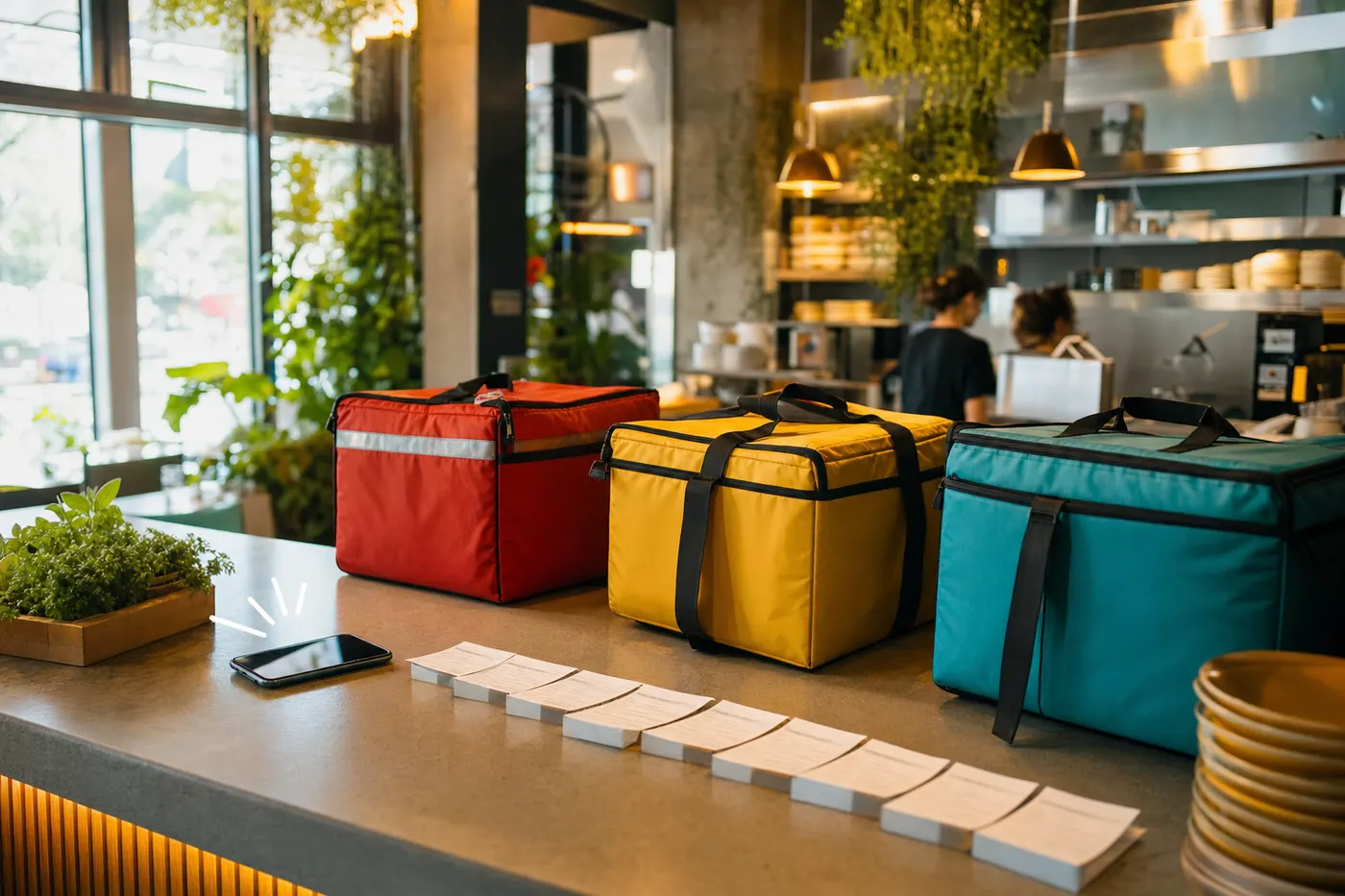
Delivery brings sales, but also chaos, if every platform has its own tablet on the counter. Glovo on one, Tazz on another, Bolt on a third, plus the dine-in orders at the POS. At peak time, someone has to watch all of them at once, and a missed order on one app is an unhappy customer and a penalty.
The agent collects the orders from Glovo, Tazz and Bolt and sends them into the same flow as the POS, so the kitchen sees everything in one place, in order. You no longer jump between three tablets and you no longer lose orders at the evening peak. And at the end you see clearly how much each channel brought in, so you know where the effort pays off.
Stock and recipes under control
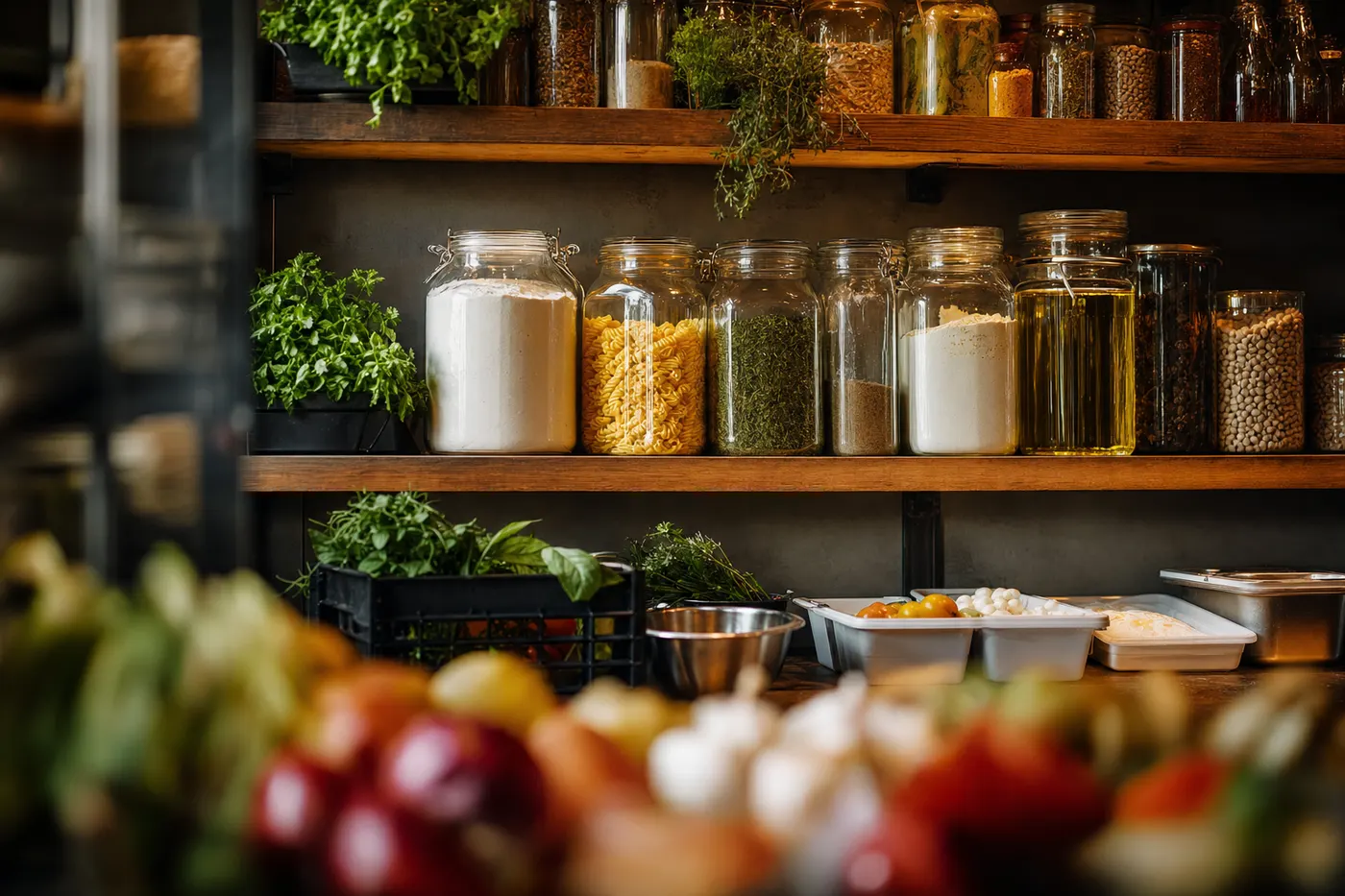
The most expensive surprise in a venue is finding out in the middle of service that a core ingredient has run out. Stock drops with every plate, but nobody has time to count it daily. Without a link between recipes and consumption, you end up either with shortages in full service or with waste from orders placed on guesswork.
The agent links the recipes to sales and tracks consumption in real time, then warns you before an ingredient runs out, not after. It shows you what gets used up fast and what sits idle, so purchasing is done on numbers, not on impressions. Fewer shortages during service and less food thrown away at the end of the week.
The day’s numbers, without adding them up by hand
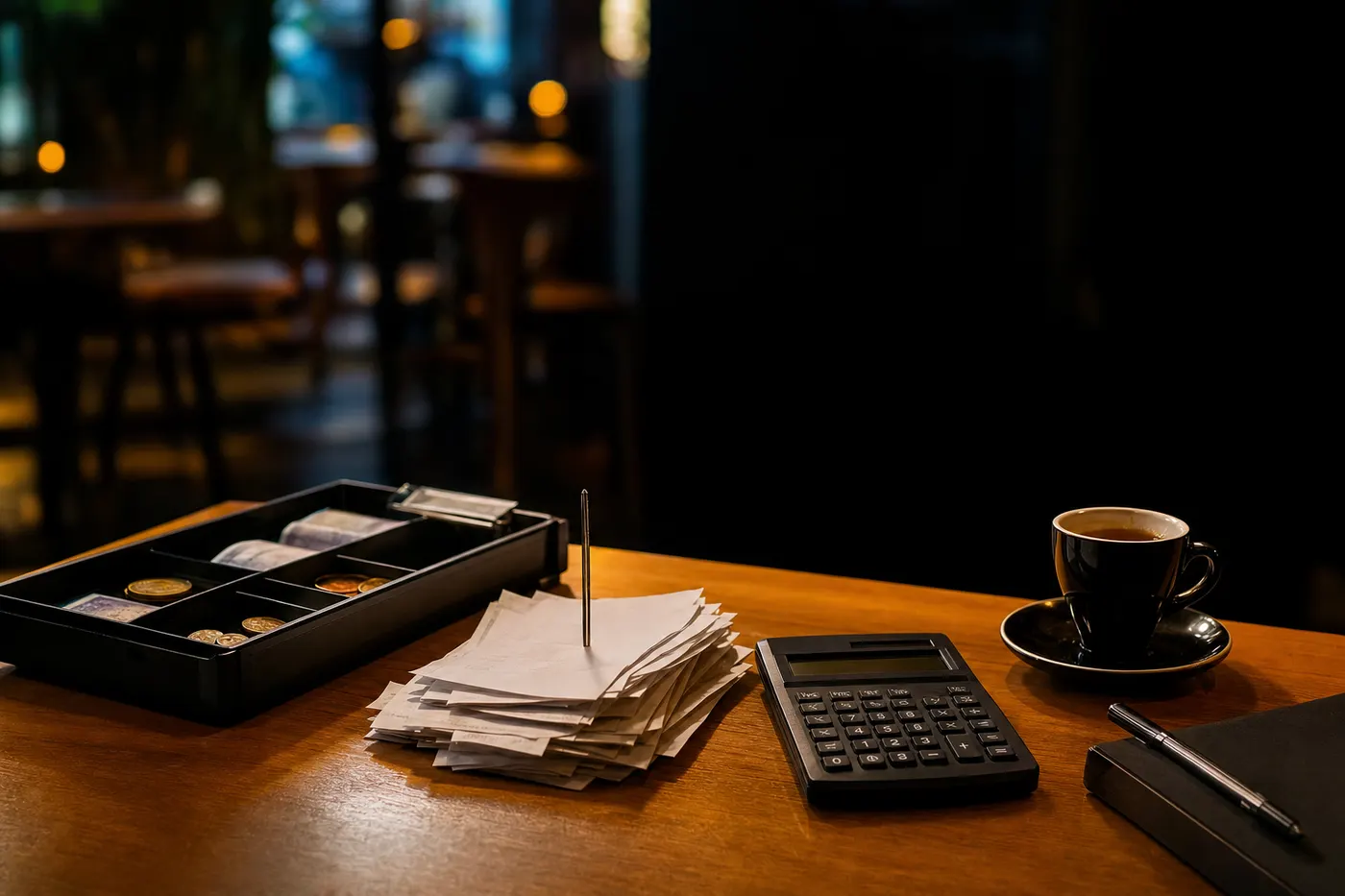
At closing time, the day’s figure is usually added up manually, late, when everyone is tired and mistakes creep in easily. And if you want to compare how this weekend went against the last one, you dig through receipts and spreadsheets.
The agent automatically totals sales by section and by channel and gives you a clear summary of the day at the end, with no bookkeeping work at midnight. You see in black and white what was sold, where it came in from and how it compares with the good days, so decisions about the menu, the schedule and purchasing are made on data, not on gut feeling.
What shows up in the numbers after the first week
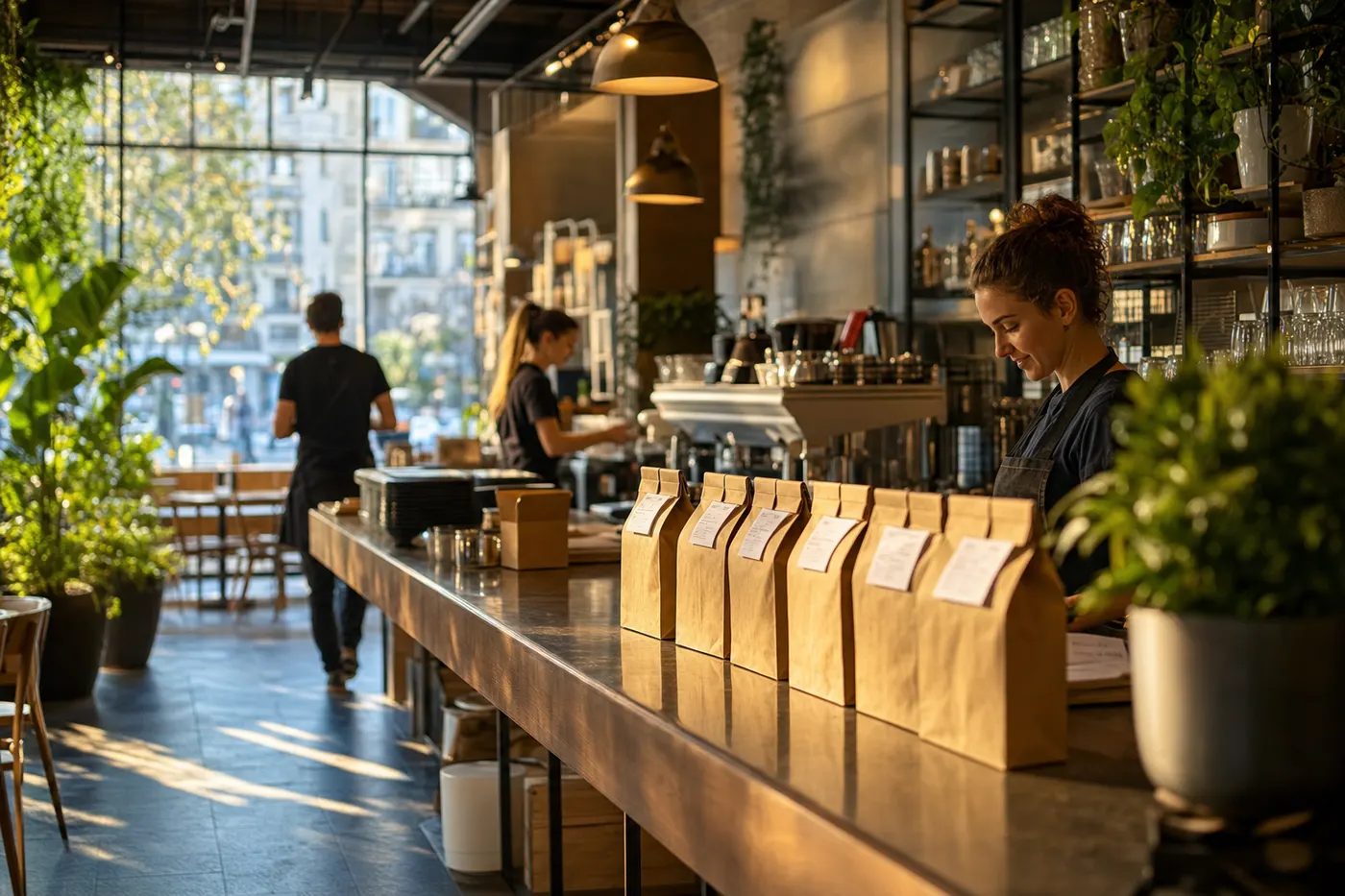
The first thing that changes is that you stop losing orders. The ones from Glovo, Tazz and Bolt enter the same flow as the dining room, the kitchen sees them in order, and nobody has to keep their eyes on three tablets at once. At the end of the day, the figure is ready, not added up by hand at midnight.
The second is that stock no longer catches you by surprise. You see in good time what is running out, what gets used up fast and what sits idle, so purchasing is done on numbers. Fewer shortages in full service and less food thrown away at the end of the week.
The kitchen and the dining room stay just as intense, but the coordination behind the scenes stops being a race. You see clearly how the day went, you do not piece it back together after closing, with everyone tired.
Where a person steps in
The kitchen and the dining room remain people’s work. The agent gathers, syncs and counts, but the decisions, what you take off the menu, how much you order, how you react to a problem, stay with you and the team. It gives you the clear picture, you make the call.
And any action with a real effect, an order to a supplier or a change in the system, goes through your confirmation. The agent prepares and flags, the person presses the button.
To what we sell
The most important link on the page. From here you go up to the agent we sell.
Related links
Sideways, on the same level, so you can move easily between pages.
Questions about the operations agent in HoReCa
Does it connect to Glovo, Tazz and Bolt and to my POS?+
Yes. It pulls in the orders from Glovo, Tazz and Bolt and brings them into the same flow as the POS, so the kitchen sees everything in one place. You no longer jump between tablets and you no longer lose orders at the evening peak.
How does it keep stock up to date without me counting it?+
It links the recipes to sales and tracks consumption in real time, then warns you before an ingredient runs out. It also shows you what gets used up fast and what sits idle, so you order on numbers, not on guesswork.
Does it place orders with suppliers on its own?+
No. It prepares the proposal and warns you in time, but the order to the supplier goes through your confirmation. The agent flags and prepares, the decision and the button stay with the person.
Does it give me a report at the end of the day?+
Yes. It automatically totals sales by section and by channel and gives you a clear summary of the day, with no adding up receipts by hand at closing time, plus the comparison with the good days so you decide on data.
Tell us what slows you down. We talk, then decide together whether and how we work.