How an AI agent plans the daily operations of a HoReCa venue
An AI internal planning agent builds, every morning, the operating plan for a restaurant, a cafe or a bar. It reads real demand from the Glovo, Tazz and Bolt Food orders connected to the POS, from reservations and from the remaining stock, then proposes what needs to be prepped, how much needs to be ordered and how many people are needed in each time slot. It does not cook and it does not serve, but it cuts down the chaos before the rush. Every proposal stays visible and goes past a person who reviews before it becomes a decision.
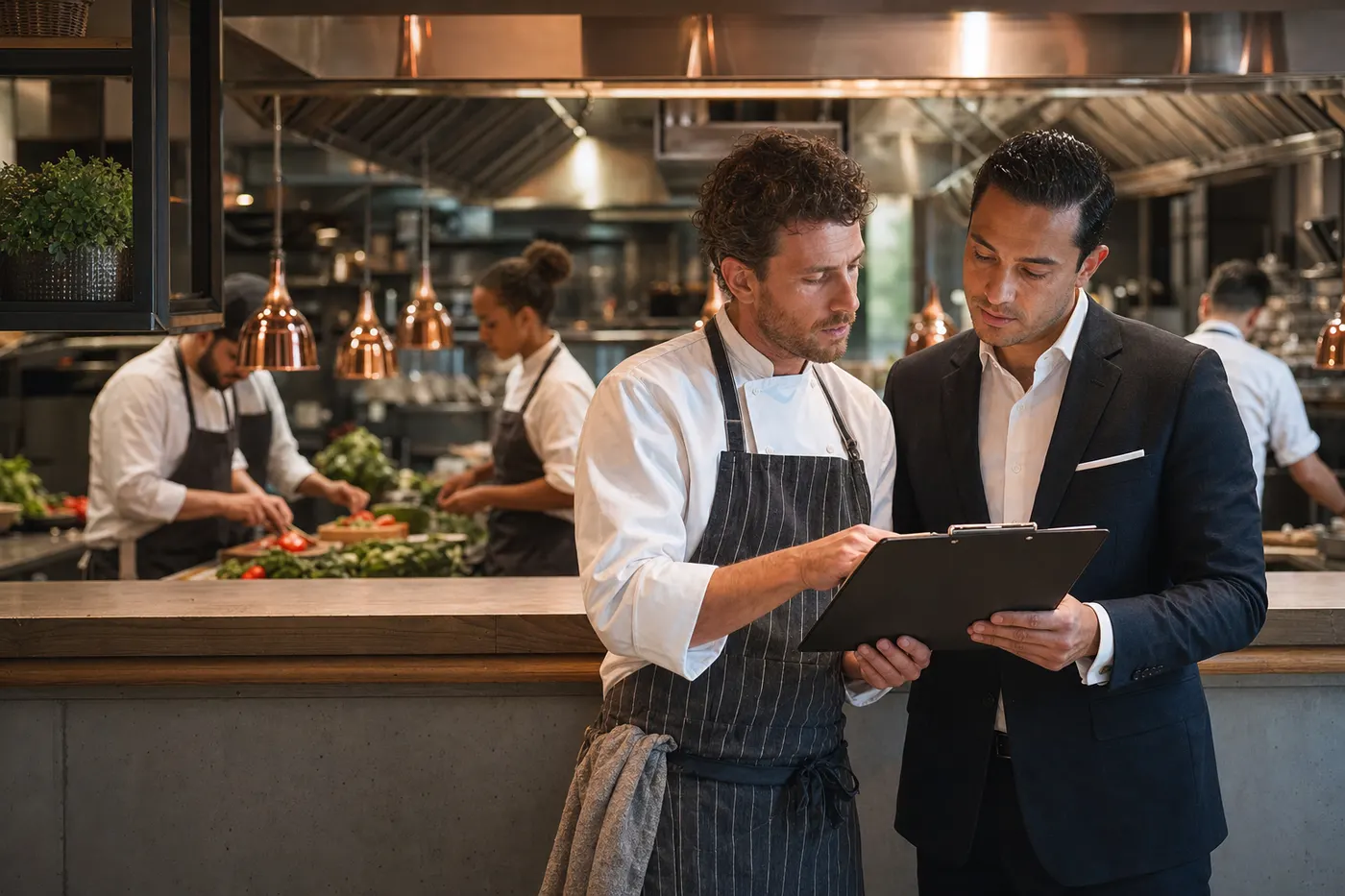
What an internal planning agent takes over in a venue

A venue does not seize up for lack of work. It seizes up for lack of a plan. The kitchen goes into the rush without knowing how many delivery orders are coming, the dining room takes reservations beyond its real capacity, and stock runs out on exactly the item that sells best. An AI internal planning agent sits across all of these threads and builds, every morning, the plan of the day for a restaurant, a cafe, a bar or a bistro. It does not cook and it does not serve, but it works out ahead of time what needs to be prepped, how much and when.
The demand forecast by day and by hourly slot, combining orders from Glovo, Tazz and Bolt Food with dining room reservations.
The supply and prep plan for the kitchen, built from recipes, food cost and remaining stock.
The shift schedule, so the number of people in the dining room and in the kitchen matches the real order peaks.
Early alerts when an ingredient is running low, when a delivery platform is piling up too many orders or when a reservation overlaps with a slot that is already full.
In practice, the agent turns the data scattered across the POS, the delivery apps and the reservation calendar into a single plan the team can follow. Every decision stays visible and can be changed by a person who reviews, not buried in an algorithm nobody understands anymore at 8 pm.
Tell us what slows you down. We talk, then decide together whether and how we work.
How it ties demand on Glovo, Tazz and Bolt Food to the plan of the day

Most venues already have the delivery platforms connected to the POS through an integrator such as boogiT, Expressoft or POSnet, so orders from Glovo, Tazz and Bolt Food arrive straight on the kitchen screen. The planning agent reads this flow as a historical series. It sees that on Friday evenings burger orders rise well above average, that on Saturday at lunch Tazz brings a wave of families, and that Monday is almost dead on all three apps.
From these patterns it builds a forecast by hourly slot and sets it next to the kitchen’s real capacity. If it sees that at 7 pm more orders are piling up than one person at the grill can turn out, it proposes either an extra shift or temporarily pausing a slow-to-prepare item on the platforms, so delivery time does not blow up and the rating in the app does not drop. It also flags when it is worth launching a promotion in a weak slot, instead of letting the app decide for you.
Planning stock, recipes and food cost
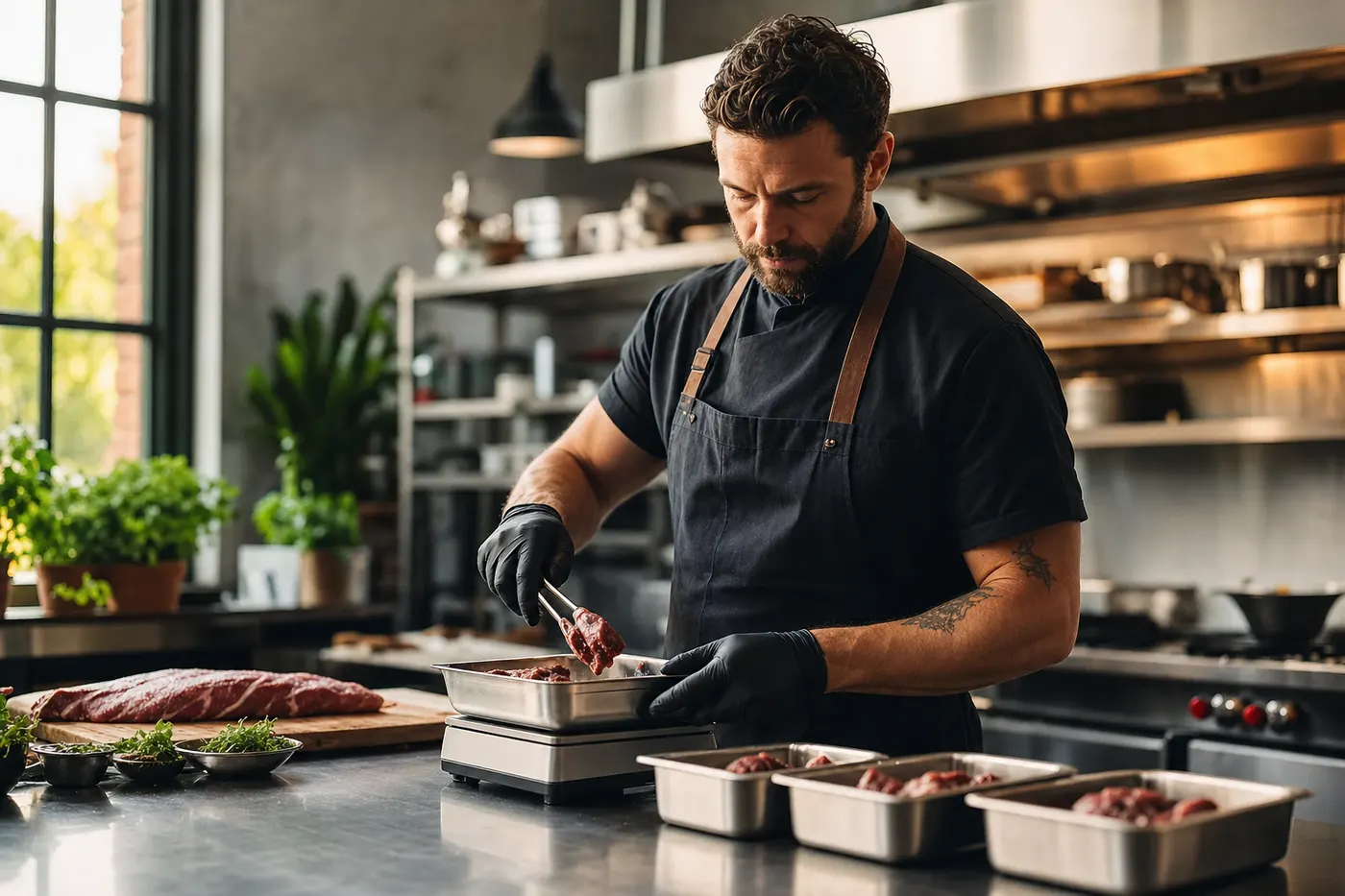
Internal planning breaks down most often at stock. An agent connected to the inventory module, like the one in Soft Restaurant or Unity POS, knows the recipe for every dish and deducts ingredients automatically as portions are sold. That is how it knows at any moment how many kilograms of meat are left in the fridge, how many liters of milk for coffee remain or how many cans the bar still has, with no manual stock count at midnight.
Based on the sales forecast, the agent proposes the order to suppliers before you are caught short, taking into account food cost and each supplier’s delivery times. When the goods come in, supplier invoices can be pulled automatically from SPV, and e-Factura to ANAF goes out from the same system, so the supply plan and the accounting side stay in sync. If the food cost on a dish climbs because an ingredient got more expensive, the agent raises a flag so the price or the recipe can be reassessed by a person, not changed on the quiet.
Reservations, tables and team shifts for a service without bottlenecks
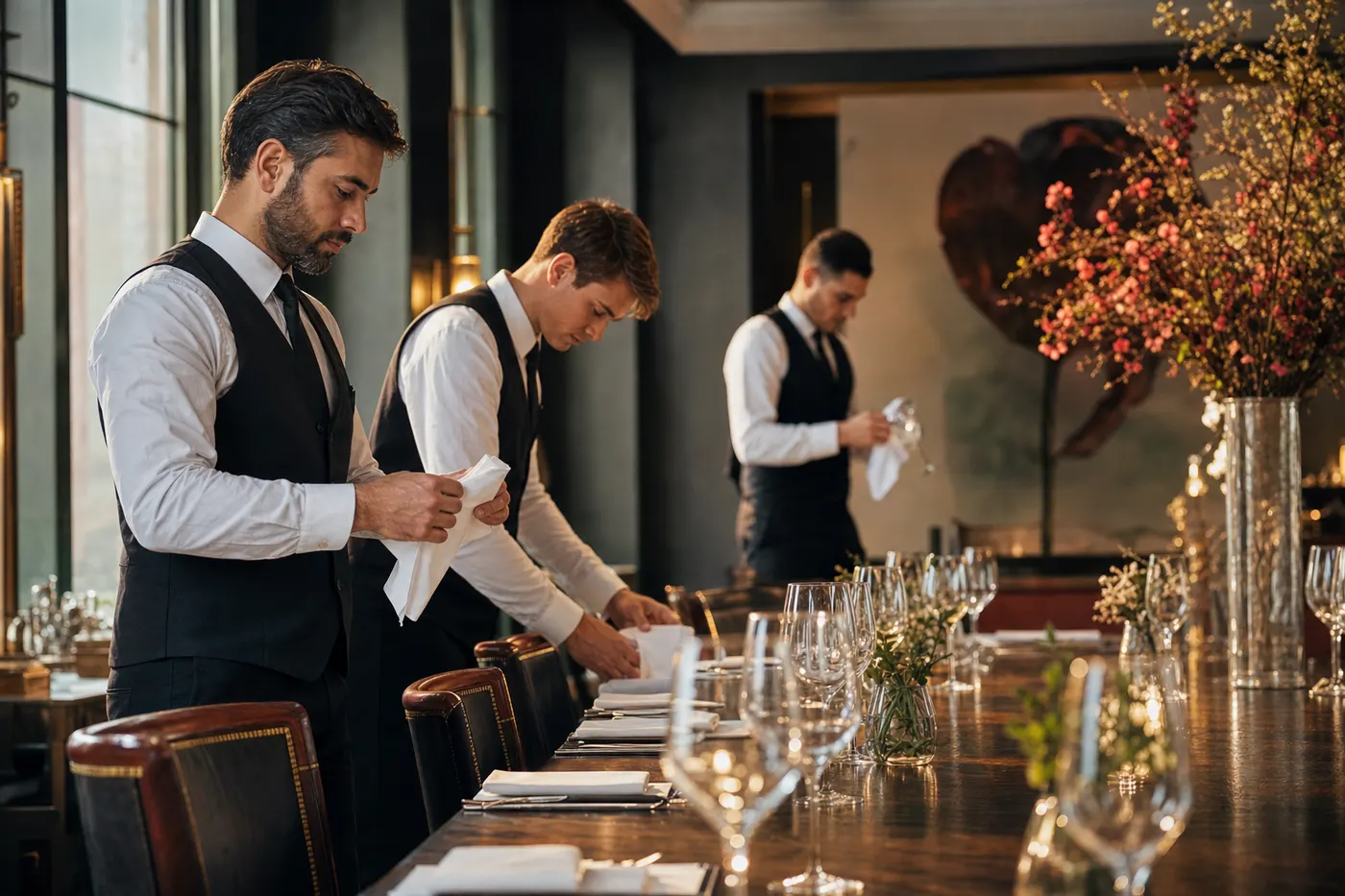
Reservations and shifts are the other half of the plan. The agent looks at the tables reserved for the current evening, at the average table turnover and at the delivery orders running in parallel, then estimates how many people are needed in the dining room and in the kitchen in each slot. A bistro with twenty seats does not need the same staff at 1 pm as at 8 pm, and the agent proposes a shift schedule that follows exactly these peaks, not a fixed pattern that leaves the team either bored or swamped.
When a large reservation falls in a slot already busy with deliveries, the agent flags the overlap early, so the dining room does not promise a table the kitchen cannot deliver on. It can also propose blocking some reservation slots during the peak hours on Glovo or Tazz, so table service is not sacrificed for deliveries. All of these proposals remain suggestions that the manager confirms before they reach the team’s schedule.
Reviews on Google and TripAdvisor as a planning signal
Reviews on Google and TripAdvisor are not just reputation. They are planning data too. The agent reads them constantly and pulls out the patterns that repeat. If several customers complain that on Friday evening they waited too long for dessert or that the delivery arrived cold, the information goes straight back into the plan, toward prep, toward shifts or toward the limit on orders accepted on the platforms. A recurring complaint about a dish that often sells out becomes a clear signal that the stock of that ingredient needs to go up.
This is how the loop closes. Real demand comes in through deliveries and reservations, the plan goes out to the kitchen and the dining room, and reviews say whether the plan held, so the next day starts better calibrated. A venue that works this way no longer reacts to chaos. It anticipates it a day ahead.
Where the human steps in
The agent proposes, the person decides. Forecasts, supplier orders, the shift schedule and the order limits on the platforms are suggestions, not commands executed automatically. A person who reviews looks over the plan of the day and adjusts it for things the data does not catch: an event in town, a rainy day that swells deliveries, a sick employee or a supplier running late with the goods.
High-impact decisions stay with people. Actually sending a large order to a supplier, changing menu prices, replying publicly to a bad review or changing a confirmed shift all go through human oversight. The agent keeps the records, runs the numbers and warns early, and the team keeps control over the choices that define the venue. This is how repetitive planning work disappears, without the judgment of the person who runs the business disappearing with it.
An internal planning agent does not replace the venue manager. It gives them a ready-calculated plan every morning that they only have to confirm or correct.
To what we sell
The most important link on the page. From here you go up to the agent we sell.
Related links
Sideways, on the same level, so you can move easily between pages.
Questions about internal planning in HoReCa
Does the planning agent replace the manager or the head chef?+
No. The agent gathers data from the POS, from deliveries and from reservations and proposes a plan for the day, but the manager and the head chef remain the ones who confirm shifts, supplier orders and order limits. Important decisions go through a person who reviews.
Does it work if I already have a POS integrated with Glovo, Tazz and Bolt Food?+
Yes, that is exactly what it is built on. If you use an integrator like boogiT, Expressoft or POSnet, the agent reads the order flow that already comes in from the three apps and turns it into a forecast by hourly slot, without you entering anything by hand.
How exactly does it help with food cost and stock?+
The agent knows the recipe for every dish and deducts ingredients automatically as portions are sold, so it sees real stock in real time. Based on the forecast, it proposes supplier orders before you are caught short and flags when the food cost of a dish climbs and needs to be reassessed.
Is it connected to e-Factura and SPV from ANAF?+
Yes. Supplier invoices can be pulled automatically from SPV, and e-Factura to ANAF goes out from the same system, so the supply plan and the accounting stay in sync. The validation and the actual submission, however, stay in the hands of a person.
Tell us what slows you down. We talk, then decide together whether and how we work.