AI document processing agent for HoReCa venues
An AI document processing agent in a restaurant or a cafe takes over the paperwork that piles up every day at the counter and in the office. It reads supplier invoices, downloads e-Factura from SPV, matches the orders coming in from Glovo, Tazz and Bolt Food with the POS receipts and gets everything ready for accounting. It does not stand in for the owner on decisions. It takes the data entry work out of their day. Every figure and every amount is checked by a person before it moves on.
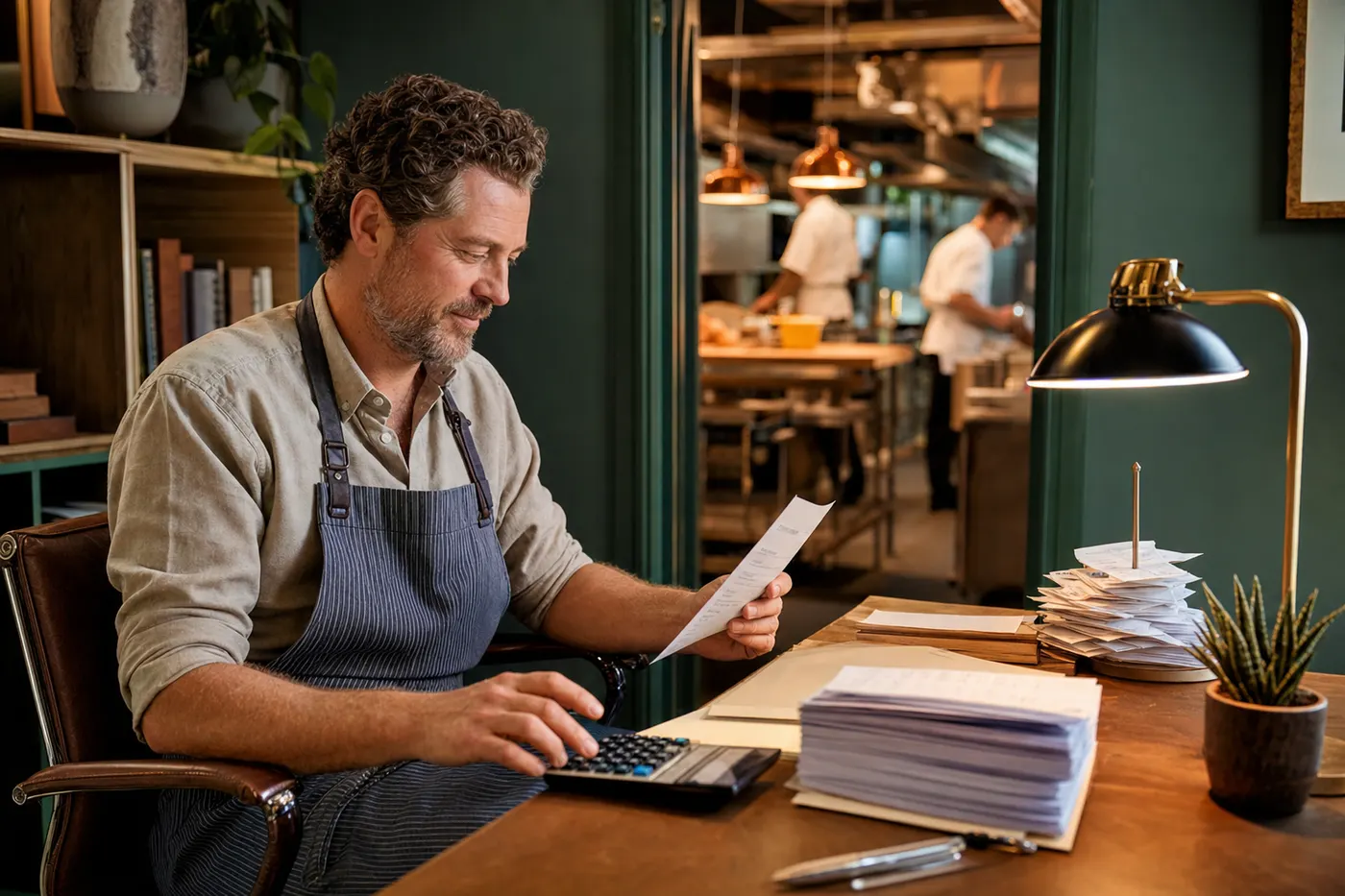
What a document processing agent takes over in a venue

In a bistro or a bar, documents pile up from three directions at once. Invoices and delivery notes come in from the suppliers of vegetables, meat, drinks and packaging. Orders come in from the delivery platforms connected to the till. And then come the fiscal receipts, the Z reports from the cash registers and the invoices you request yourself from the wholesaler. One person enters them one by one, in the evening or on Monday, when they have something else to do anyway. The agent takes exactly the repetitive part of this.
Invoices and delivery notes from suppliers, including receipts from Selgros or Metro that you photograph with your phone
e-Factura downloaded automatically from SPV in XML format and read field by field, without you logging in to the ANAF portal by hand
Orders from Glovo, Tazz and Bolt Food, pieced together with the POS receipts for each day
Z reports from the cash registers and takings consolidated by day, by shift and by payment method
Everything ends up in one place, cleaned of obvious errors and ready to send to the accounting software. Instead of hunting for an invoice through photos and email, you already have it indexed by supplier, date and amount.
Tell us what slows you down. We talk, then decide together whether and how we work.
Supplier invoices and e-Factura from SPV
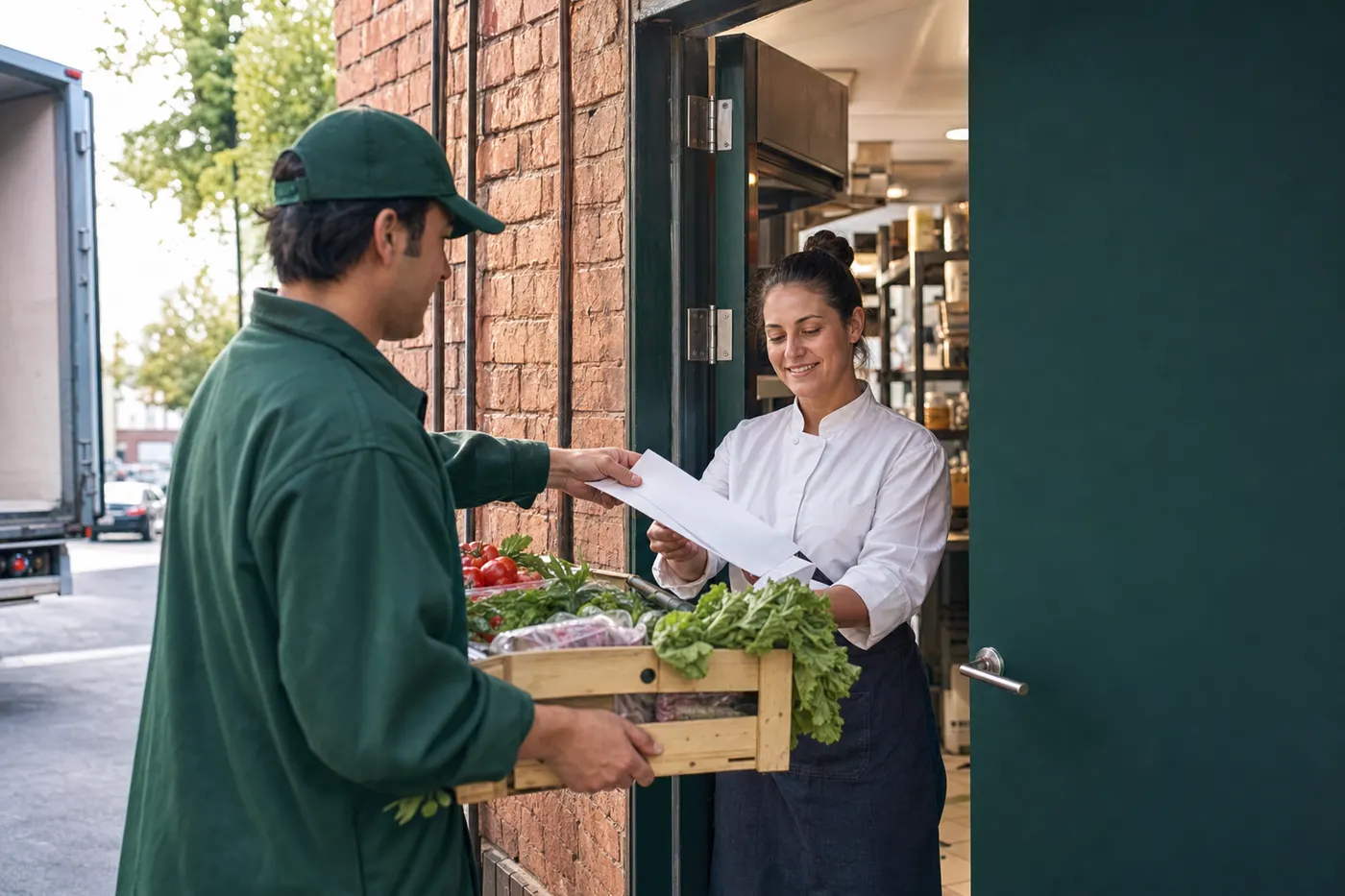
Since e-Factura became mandatory for B2B transactions, every invoice from a goods supplier arrives in SPV as an XML file. The agent connects, downloads the new invoices and reads them field by field. It extracts the supplier, the tax ID, the products, the quantities, the unit price and the VAT, then prepares the goods received note. In practice it builds the NIR from the invoice’s real data, not from what someone retypes by hand at midnight.
This is usually where a venue loses the most time. A drinks delivery has twenty line items, and if you key them in by hand, a wrong quantity or a skipped price always turns up. Real programs on the market, such as APPY POS, Oblio, Selectsoft or boogiT, already handle the import from SPV and generate the NIR from the XML. The agent sits on top of this flow and carries it further, checking that the invoice received matches the delivery note and what actually arrived in the cold room or the storeroom.
Orders from Glovo, Tazz and Bolt Food matched with the POS
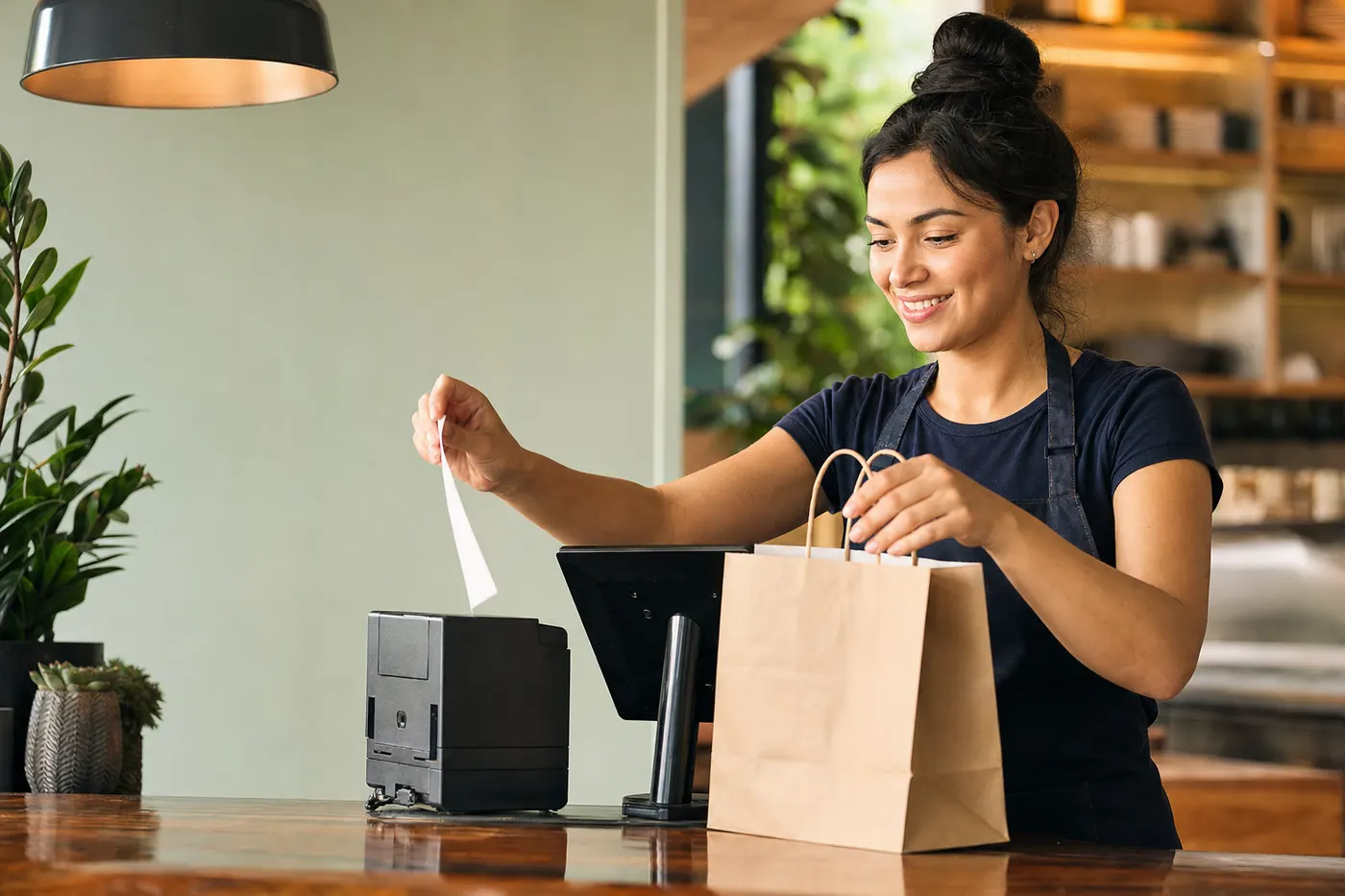
A venue that delivers has three parallel order flows. Each platform keeps its own report, with its own commission and its own payout calendar. At the end of the month you need to know how much money actually comes in from Glovo, from Tazz and from Bolt Food, after the commission is withheld, and how much of that shows up in the POS. The agent takes the reports from each platform and matches them with the receipts issued, order by order.
When an order appears on the platform but has no receipt in the POS, or the other way around, the agent marks it separately. It does the same with commission differences and with canceled or refunded orders. Integrators like Expressoft or NOXTA push orders from the platforms straight into the till automatically, so the agent works on data that is already linked, not on screenshots. What it delivers is a clear daily reconciliation, so the owner can see at a glance where margin is being lost and whether the platform paid what it should have.
Menu, stock and recipes kept in the same set of books
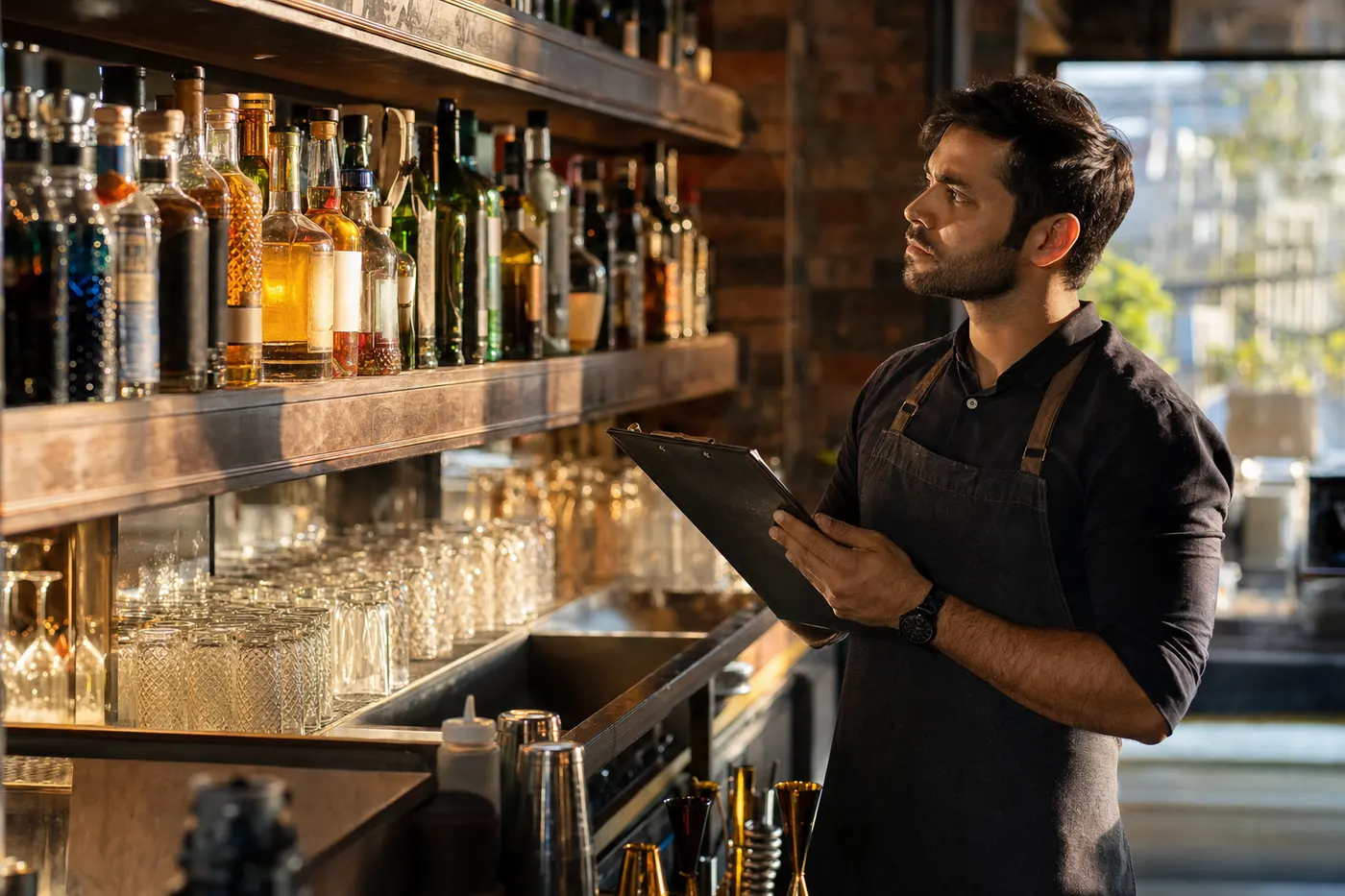
Documents do not live on their own. An incoming invoice moves stock, and stock is tied to recipes and the menu. When the agent processes a goods receipt, the quantities enter inventory. When a dish is sold, the ingredients in the recipe are deducted automatically, according to the set weights. That is how you find out the real consumption for a burger or a coffee and compare it with what should have gone out on paper.
The gap between theoretical and real consumption is the signal that shows waste, inconsistent portions or goods leaving through the back door. The agent keeps track of these differences from documents, not from assumptions. If you change a supplier’s price, you see right away how the food cost moves on the dishes that use that ingredient. And minimum stock alerts start from real goods movements, so you do not run out of lemons on a Friday night.
What a restaurant, a cafe or a bar gains

The most visible benefit is the time recovered at the end of the day and the end of the month. Documents no longer pile up in a drawer until the ANAF deadline arrives. Goods receipts are done as the goods come in, e-Factura downloads itself from SPV, and the reconciliation with Glovo, Tazz and Bolt Food is ready before anyone asks for it. The accountant receives clean data, not photos of receipts.
Beyond documents, the agent can also gather the signals from reviews. Comments on Google and TripAdvisor, together with notes on reservations and table occupancy, show where the repeated complaints come from: the food, the waiting time or a particular shift. Placed next to stock and sales data, they help the owner see the whole venue from one place, not in pieces.
The agent sits on top of the programs you already use. It does not replace them. If you have a POS connected to the platforms and to e-Factura, it takes over the work of entering and matching documents, and the decisions stay with you.
Where the human steps in
The agent signs nothing in your place and sends nothing to the accountant without a check. There are a few points where a person who reviews is still needed, and there the process stops and asks for confirmation.
Invoices with differences from the delivery note or with line items the agent cannot confidently match to a product in the item list
Goods receipts where the scanned quantity does not match the goods that physically arrived at the venue
Platform reconciliations with large commission differences or with refunded orders that do not explain themselves
Any new document from a supplier the agent does not know yet, before it enters the accounting flow
The role of the owner or the venue manager shifts from entering data to validating exceptions. Instead of typing in a hundred lines, they look over ten things that really call for a decision. The rest flows on its own, but under human oversight, with a clear trail of who approved what and when.
To what we sell
The most important link on the page. From here you go up to the agent we sell.
Related links
Sideways, on the same level, so you can move easily between pages.
Questions about document processing in HoReCa
Do I have to change the POS or the inventory software I already use?+
No. The agent works on top of what you already have installed, whether that is APPY POS, boogiT, Selectsoft or another solution connected to Glovo, Tazz, Bolt Food and e-Factura. It takes over the documents and the data entry flow, without forcing you to move the venue to a new system.
How does the agent download invoices from SPV without me logging in to the ANAF portal?+
It connects based on your authorization and automatically pulls the new invoices in XML format from SPV. It reads them field by field, prepares the goods received note and indexes them by supplier, date and amount. You no longer log in to the portal by hand. You only check the output wherever a difference shows up.
What happens when a Glovo order has no receipt in the POS?+
The agent marks it as an exception and does not pass it on by itself. It shows you the exact order, the value and the commission withheld, so a person who reviews can decide whether it is a canceled order, a refund or a till error. The rest of the reconciliation flows automatically.
Can it keep track of food cost from invoices and recipes?+
Yes. When it processes goods receipts, the quantities enter stock, and sales deduct the ingredients according to the recipes. That way you see real against theoretical consumption for every dish and how the food cost moves when a supplier changes the price, straight from the processed documents.
Tell us what slows you down. We talk, then decide together whether and how we work.