AI logistics agent for a restaurant or a cafe
A logistics agent keeps the part that breaks down fastest in a venue up to date: the order flow, the stock and the paperwork. It takes orders from Glovo, Tazz and Bolt Food, puts them into the POS next to table orders and automatically deducts ingredients from stock according to the recipe. When a product is close to zero or an invoice lands in SPV, it prepares the next step and puts it in front of you with the figures filled in. You decide what gets approved, the agent does the repetitive work that would otherwise eat into your service.
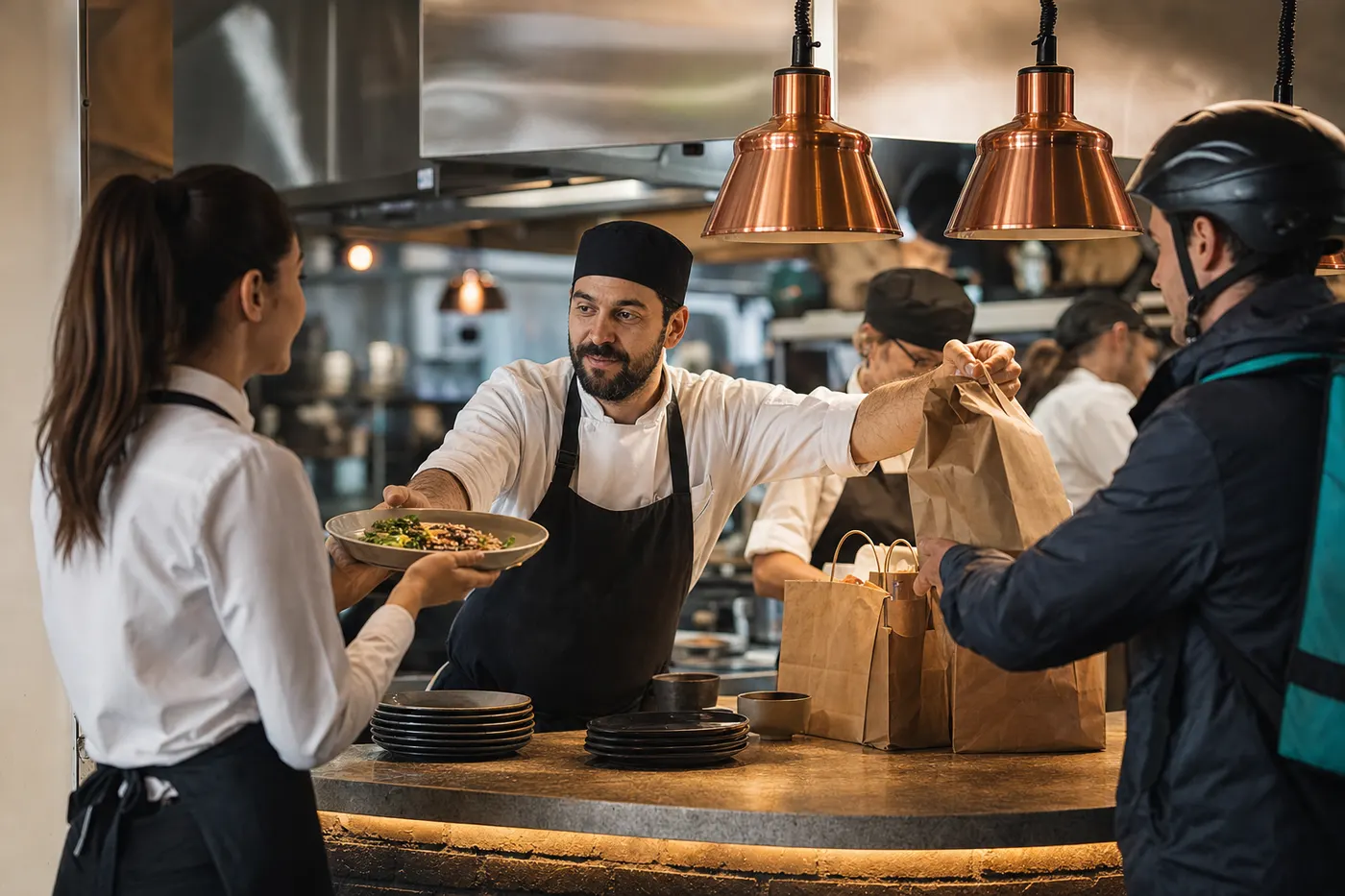
What a logistics agent takes over in a venue
In a restaurant, cafe or bar in Romania, logistics isn’t one thing. It’s ten threads that have to stay tied together at the same time. A logistics agent doesn’t run the venue for you, but it keeps these threads in sync hour by hour, so you don’t discover at closing time that you sold a dish you no longer had in stock.
Collects orders from Glovo, Tazz and Bolt Food and puts them into the POS next to table orders, in the same flow for the kitchen
Deducts ingredients from stock according to the recipe of each product sold and alerts you when a raw ingredient approaches the minimum threshold
Tracks reservations and table occupancy by time slot, so you see the full evenings and the empty ones ahead of time
Prepares invoices for e-Factura and matches supplier invoices arriving in SPV with the goods receipts in inventory
Today all of this happens by hand, with a manager jumping between the tablet, the register and the phone. The agent runs it in the background and lets the people on shift focus on food and guests, not on reconciling figures.
Tell us what slows you down. We talk, then decide together whether and how we work.
Orders from Glovo, Tazz and Bolt Food in a single flow

The classic delivery problem is that every platform has its own tablet. A Glovo courier knocks on the door while a Tazz order rings on another tablet and Bolt Food prints a ticket on a third. The kitchen loses the sequence, and by the end nobody knows what was cooked and what was canceled. The logistics agent connects to the POS that aggregates these platforms, such as POSnet or Ebriza, and treats delivery orders like any other order in the venue.
In practice, the agent follows orders as they come in, groups them by time slot and flags situations that break the pattern, for example a large order landing at the lunch peak or a product often requested on Bolt Food that is out of stock. When a platform returns a canceled order, the agent marks it and puts the reserved ingredients back into the calculation, so stock reflects reality, not what was ordered in theory. The result is a single picture of the evening, instead of three tablets telling three stories.
Stock, menu and recipes that stay current on their own
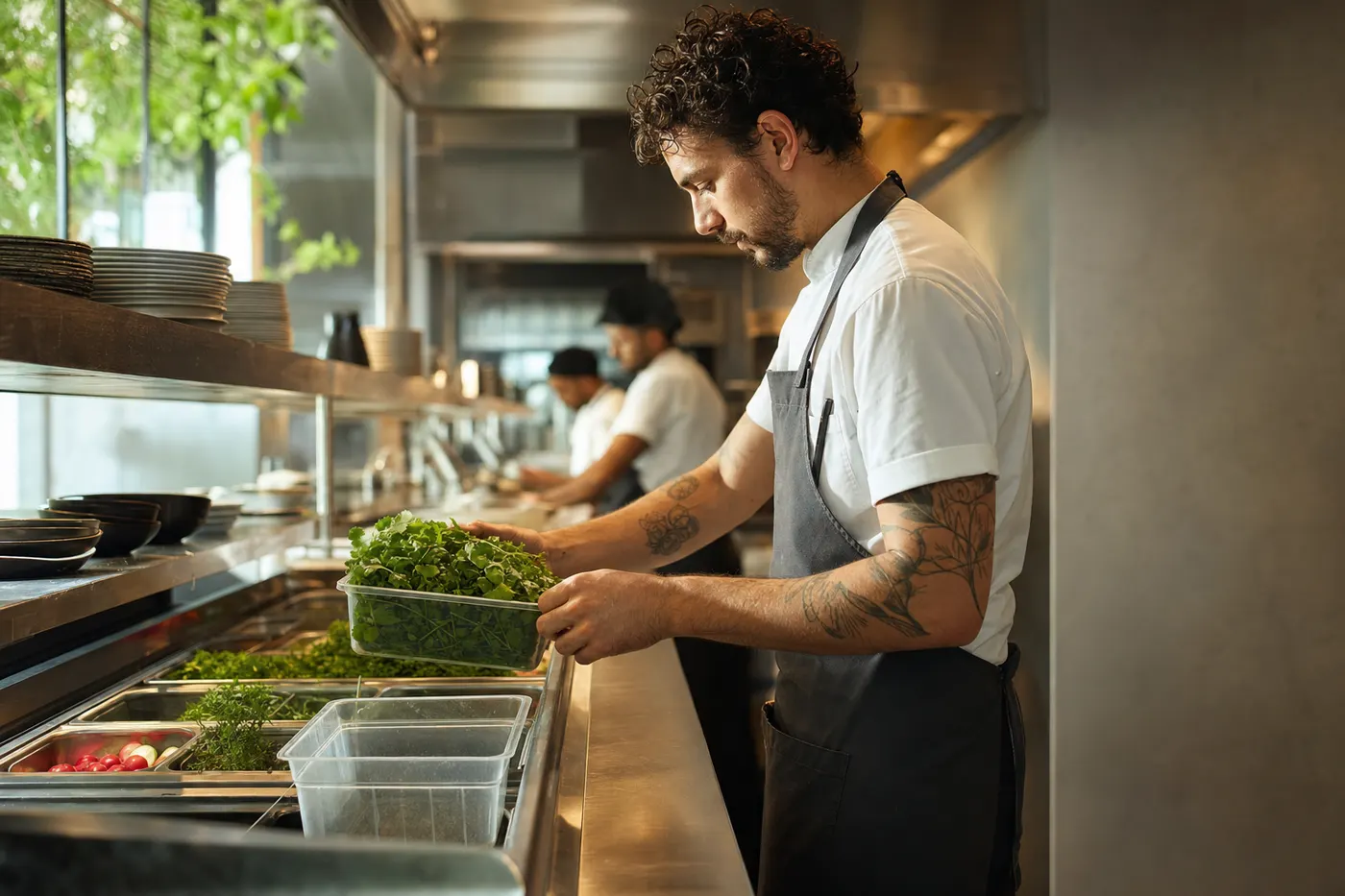
In a venue, stock lies fast. You sell fifty coffees and stay convinced you still have milk, until the morning you don’t. The agent links every menu item to its recipe, so when a burger is sold, it deducts the bun, the meat, the sauce and the fries from inventory, not just the line on the receipt. Over a day of service, that means stock that matches what is actually in the fridge and the pantry.
When a raw ingredient drops below the threshold you set, the agent prepares the supplier order list and puts it in front of you already filled in with the usual quantities. If you change a menu price or add a seasonal dish, the agent pushes the change to the POS and the delivery platforms, so an old price doesn’t linger on Glovo while the table price is different. It can also raise a flag when the margin on a dish gets thinner because a supplier raised the price of an ingredient, so you decide early whether to change the recipe or the price.
Reservations, tables and reviews on Google and TripAdvisor

Front-of-house logistics matter as much as the kitchen’s. The agent tracks incoming reservations, matches them to the table map and shows you ahead of time how the evening is filling up, so you don’t end up promising a table for eight at an hour when all your large tables are already taken. For a small bistro, where a single reservation mistake ruins a whole evening, the difference is felt right away.
On the reputation side, the agent collects new reviews from Google and TripAdvisor and groups them by theme, so you quickly see whether people are complaining about delivery wait times or praising a particular dish. It doesn’t reply on its own in the venue’s name. It prepares a draft reply and leaves it with you for approval, together with the order context if the review comes from a customer who ordered through one of the platforms. That way a negative review no longer sits unseen for three days, and the tone of the reply stays yours.
e-Factura, SPV and supplier paperwork
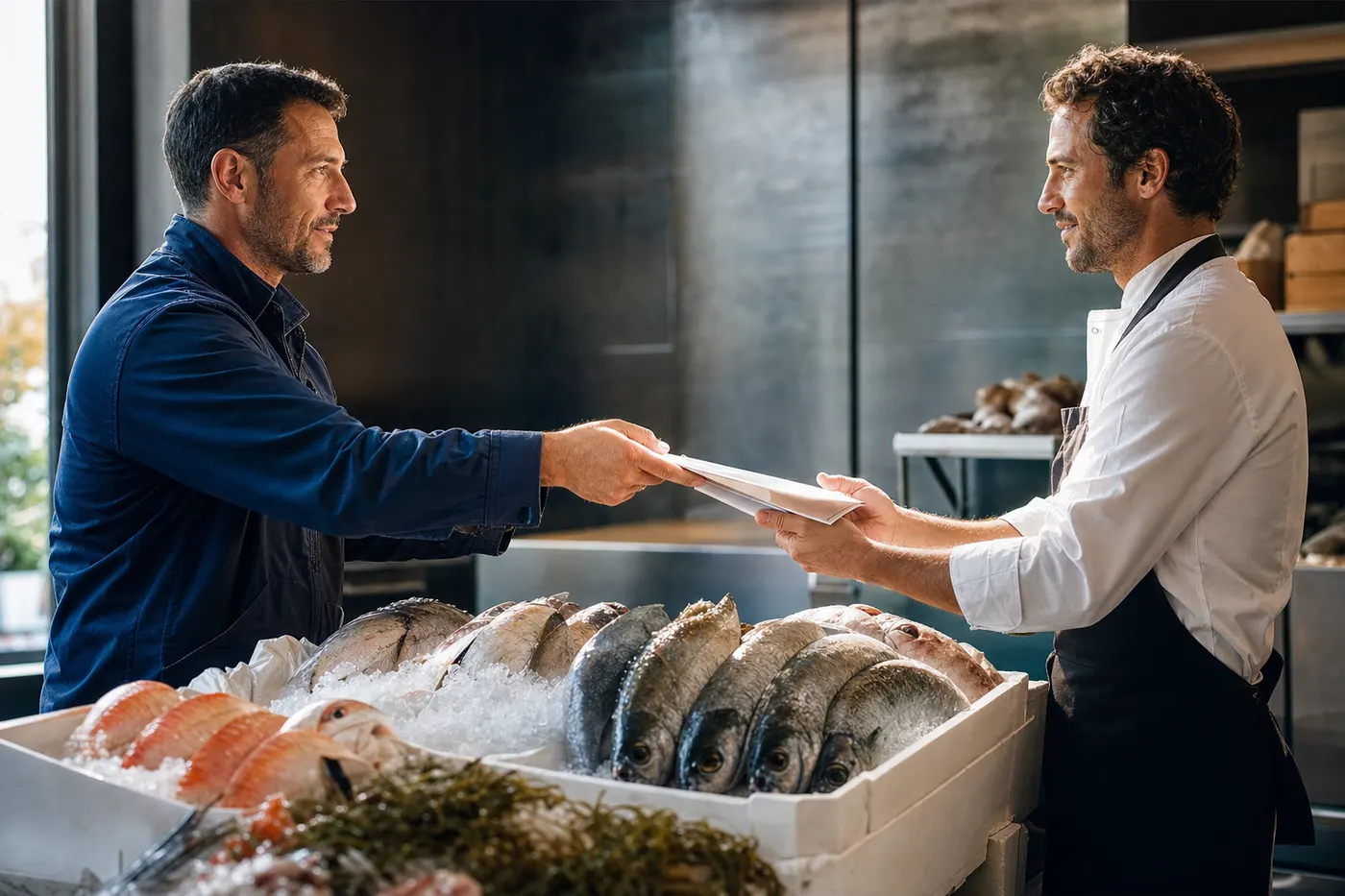
The tax side is where venues lose the most time and where mistakes cost the most. Since e-Factura became mandatory, every invoice has to be sent to SPV, and supplier invoices arrive the same way. The logistics agent prepares issued invoices for submission to SPV and, on the incoming side, takes the invoices received from suppliers and matches them with the goods receipt, which means it helps put together the NIR without you typing everything by hand.
When a supplier invoice doesn’t match what actually came into the venue, for example a different quantity or a price changed from the order, the agent raises a flag instead of moving on. Many HoReCa POS solutions, such as boogiT, already import invoices from SPV automatically and prepare the NIR, and the agent sits on top of this flow as a layer that checks, groups and brings you only the cases that really need a human eye. That way ANAF no longer catches you off guard, because records are kept daily, not rebuilt in a rush at the end of the month.
Where the person steps in
The agent does the repetitive work, but the decisions that matter stay with people. Nobody sends an invoice to SPV, places a large supplier order or publishes a reply to a review without a person checking and pressing the button. The agent prepares everything in full, with the figures already filled in and the context alongside, so approval takes seconds, not minutes.
Human oversight comes in mostly where local judgment is needed. A manager knows that on Saturday night the beer stock goes differently than on Tuesday, that one supplier delivers more slowly on weekends and that some reviews call for a warm reply, not a standard draft. The agent learns your patterns over time, but it remains a tool that proposes, and the final decision is always made by a person who knows the venue. Its role is to remove the dead work, not to take the person out of the equation.
A logistics agent connects to the POS and the platforms you already use, so you don’t have to change your whole system to get started. The framework stays yours, the agent sits on top of it.
To what we sell
The most important link on the page. From here you go up to the agent we sell.
Related links
Sideways, on the same level, so you can move easily between pages.
Questions about logistics in HoReCa
Does the logistics agent have to replace the POS I already have in my venue?+
No. The agent connects on top of the POS and the integrator you already use, such as POSnet, Ebriza or boogiT, and works with Glovo, Tazz and Bolt Food orders as they come in today. You don’t change the system. You add a layer that keeps the flow current and prepares the repetitive steps.
How exactly does it help with the stock of a cafe or a bar?+
It links every menu item to its recipe, so with each sale it deducts the real ingredients from inventory, not just the line on the receipt. When a raw ingredient approaches the minimum threshold, it prepares the supplier order list filled in with the usual quantities and leaves it with you for approval.
Does the agent send invoices to SPV for e-Factura on its own?+
It doesn’t send them on its own. It prepares issued invoices for submission to SPV and matches invoices received from suppliers with the goods receipt, but the actual submission happens after a person reviews them. When an invoice doesn’t match what came into the venue, it raises a flag instead of moving on.
Can the agent reply to Google and TripAdvisor reviews on its own?+
It collects new reviews, groups them by theme and prepares a draft reply with the order context alongside, but publishing stays with you. That way a negative review no longer sits unseen for days, and the tone of the reply stays the venue’s own, reviewed by a person before it appears in public.
Tell us what slows you down. We talk, then decide together whether and how we work.