AI paid ads agent for restaurants and cafes in Romania
An AI paid ads agent manages your venue’s promotion budget without turning it into a daily chore. It launches campaigns on Facebook and Instagram through Meta Ads, keeps your Google Business Profile up to date and puts forward the dish you want to sell this week. It reads what is happening in the restaurant, meaning what you have in stock, which tables are free and which orders are coming in on Glovo, then adjusts the ads to the reality in the kitchen, not to a plan made three months ago. In practice, you get a colleague who handles paid advertising, while you keep control over the decisions and the money.
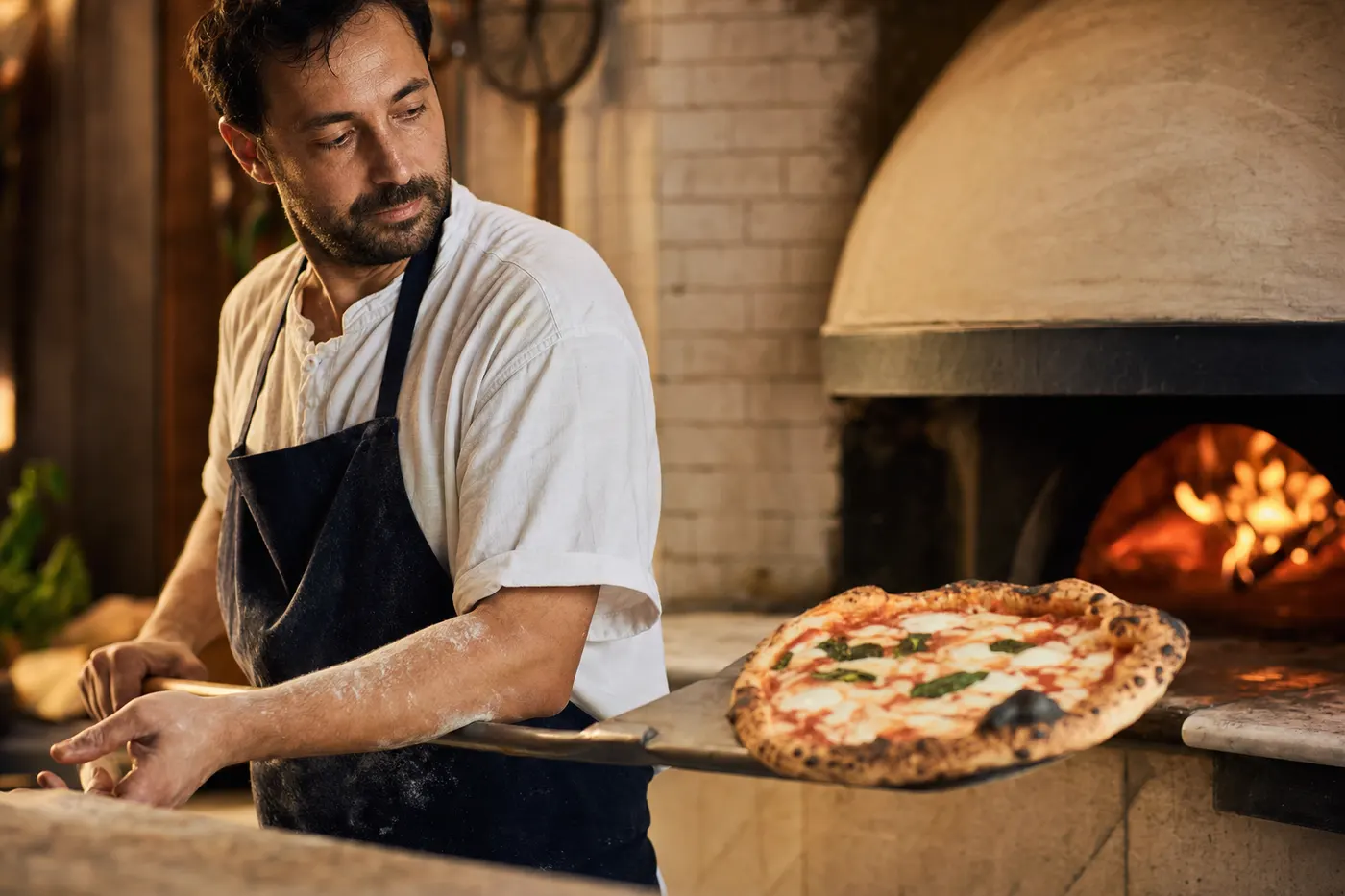
What a paid ads agent takes over in a venue

In a restaurant or a cafe, paid promotion quickly loses touch with reality. You put money into an ad for pasta, and the kitchen runs out of the main ingredient by lunchtime. The AI agent closes exactly this gap, because it works with what is happening in the venue right now, not with assumptions.
Builds and launches paid campaigns on Meta Ads and Google Ads, targeted at the neighborhood and city you are in, not the whole country.
Adjusts the daily budget around slow days and peak hours, so you don’t burn money on a Tuesday at 3 p.m., when nobody is coming anyway.
Keeps Google Business Profile up to date with the menu, photos, opening hours and current offers, so the venue shows up correctly on Google Maps.
Automatically stops the ad for a dish that has just gone out of stock, so you don’t pay for clicks on something you can’t serve.
This isn’t a complicated control panel you have to learn. The agent is given your venue’s context and works within it, and you see what it did and why, in plain words.
Tell us what slows you down. We talk, then decide together whether and how we work.
Campaigns tied directly to delivery on Glovo, Tazz and Bolt Food
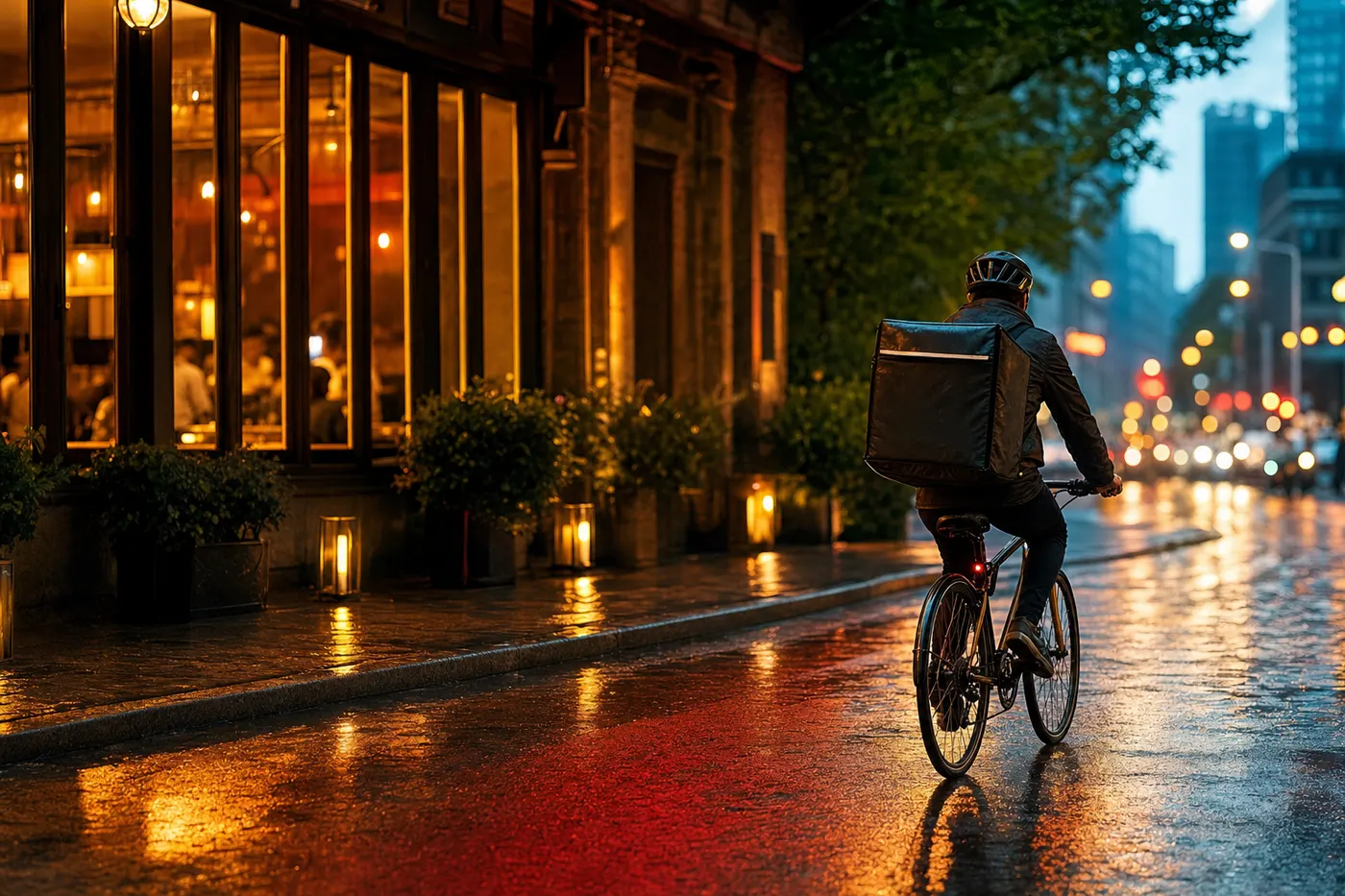
Most of a venue’s orders today come through the delivery platforms. When your POS is connected to Glovo, Tazz and Bolt Food through solutions such as POSnet or BoogiT, the agent sees what sells well on each platform and in which city. If burger orders in the Cluj area take off in the evening on Bolt Food, the agent can put a bigger budget there, instead of spreading the same money thinly everywhere.
Just as important, the agent can match paid advertising to the periods when the delivery platforms cut commissions or run promotions. Instead of competing with your own ad at expensive moments, the agent schedules the Meta Ads campaigns to bring in orders in the windows when your margin stays healthy. The result is that you pay for orders that actually leave you a profit, not just for volume.
Ads that start from the menu, stock and reservations
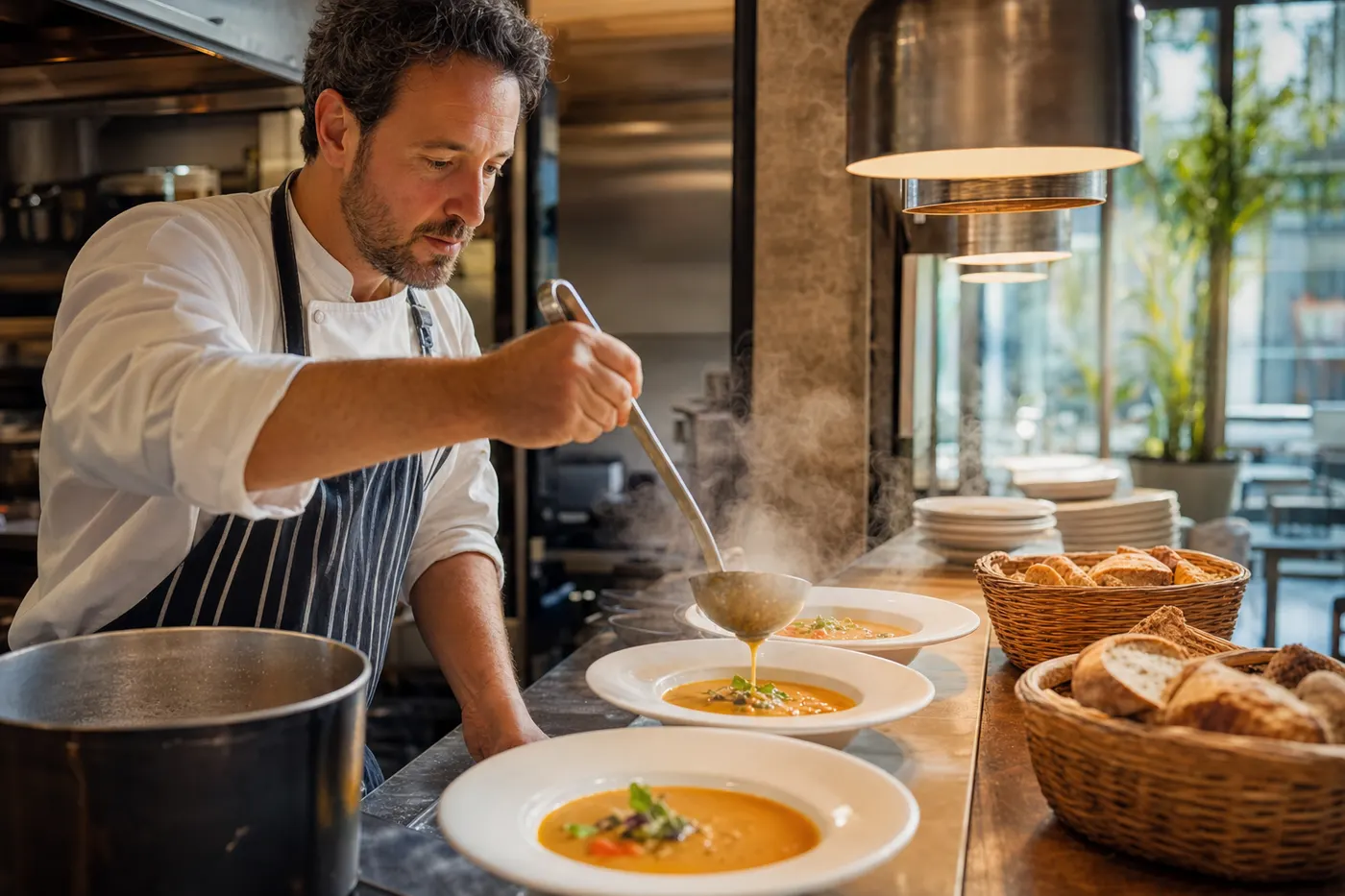
A bistro that changes its lunch menu every day can’t keep up with ads made by hand. The agent reads the current menu and stock, then puts forward exactly the dish you want to sell today, either because you have plenty of it or because it has the best margin. When the dish of the day runs out, the ad stops by itself, without anyone calling you to ask why it still shows up on Instagram.
On the dining room side, the agent looks at reservations and free tables. A nearly empty Wednesday evening becomes the reason for a short campaign, with an offer on dessert or a glass of wine, aimed at people nearby who have already interacted with the venue. A weekend evening that is already full needs no extra budget, so the agent doesn’t spend for nothing. Everything stays tied to the venue’s real capacity, so you don’t end up promoting tables you can’t honor.
Google and TripAdvisor reviews turned into ads
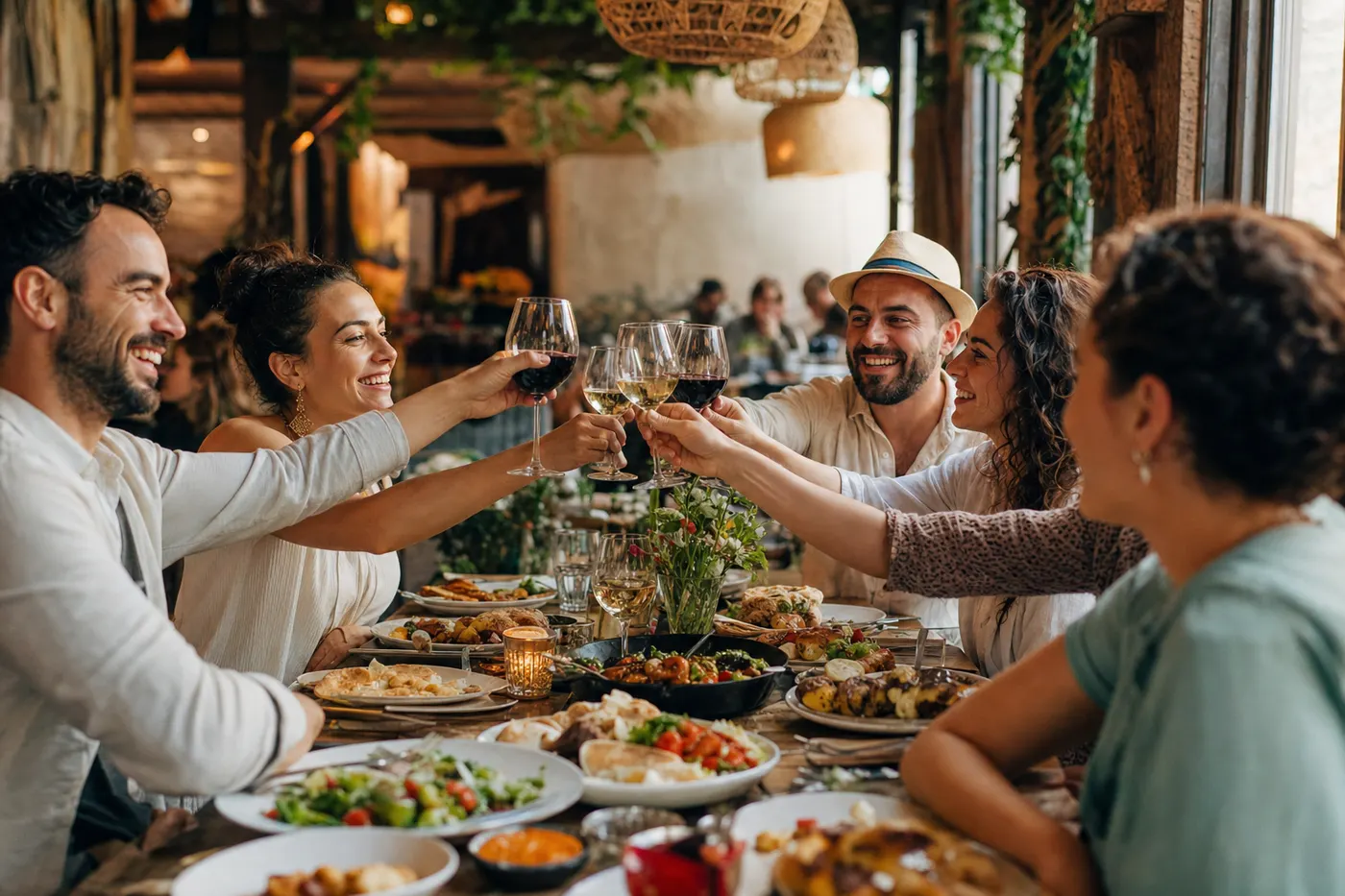
Good reviews are the cheapest ad material you have, yet they sit unused. The agent tracks new reviews on Google and TripAdvisor and can turn them into content for paid campaigns. An honest opinion about the tripe soup or the specialty coffee becomes the social proof that convinces a new customer from the neighborhood. When a poor review appears, the agent flags it quickly, so the person at the venue replies in time, not two weeks later.
On top of that, the agent keeps the Google Business Profile aligned with what is really happening, because a large share of a venue’s reservations come from there, at no ad cost. Updated hours, new photos of seasonal dishes and current offers mean that the person searching Google Maps for a cafe open on Sunday morning finds you, not the place across the street.
How the agent connects to the POS and the venue’s workflow
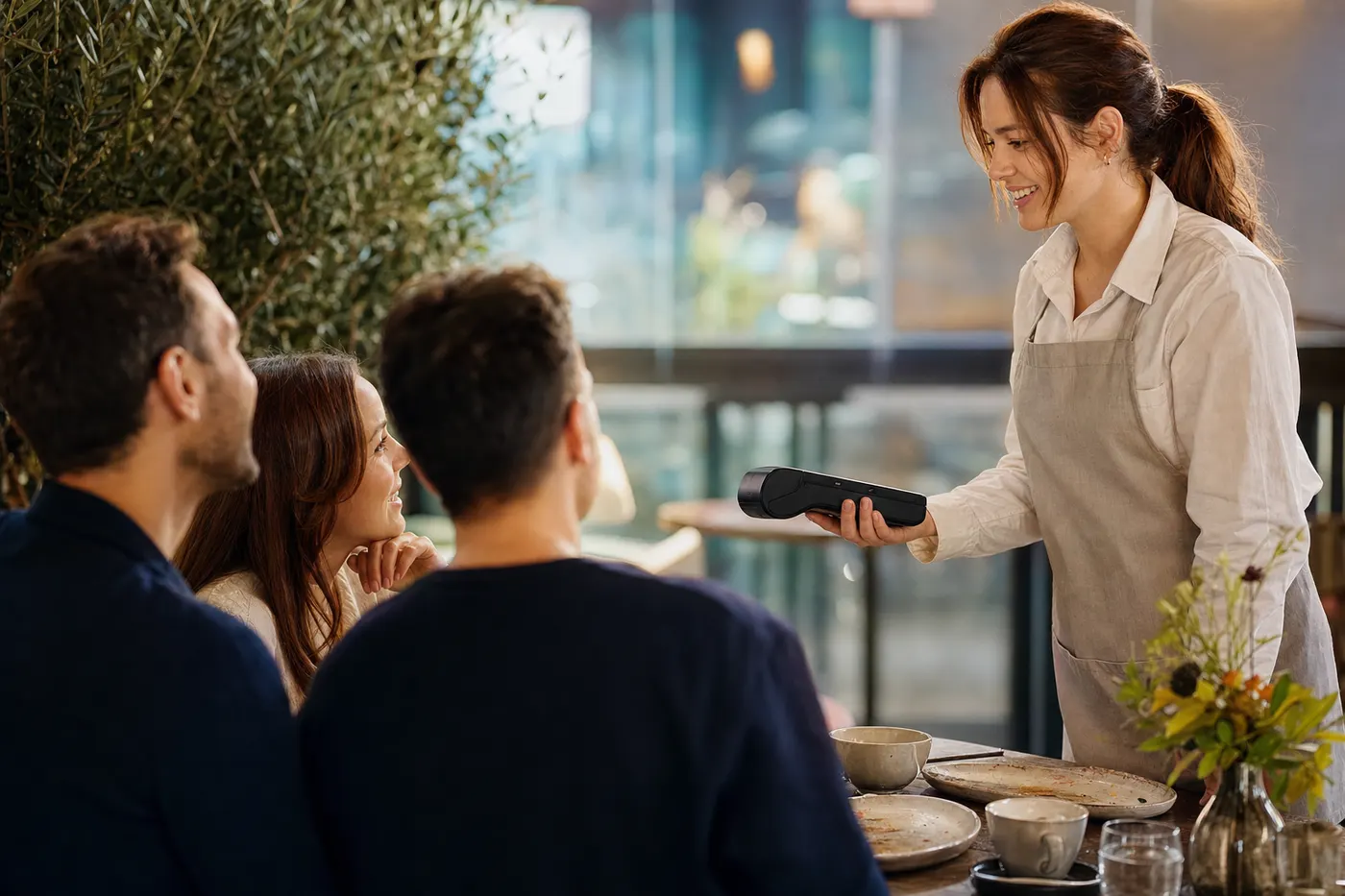
For paid ads to reflect reality, the agent needs access to the data that matters: stock, menu, orders from the delivery platforms and reservations. This data comes from the POS you already use and from the integrations with Glovo, Tazz and Bolt Food. The agent doesn’t replace the till system, it sits on top of it and reads what it needs to make sound promotion decisions.
The tax side isn’t left out either. Advertising expenses end up in the accounts, and if you run invoicing through SPV and ANAF’s e-Factura, the agent can keep track of the budget spent on each campaign and set it against the orders it brought in. That way you see in black and white whether the one thousand RON put into Meta Ads last week came back as orders on Tazz or only as impressions with no sales. A venue doesn’t need bloated reports, it needs to know whether paid advertising produces occupied tables and delivered orders, and the agent answers exactly that question.
Where a person steps in
The agent isn’t allowed to do whatever it wants with your money, and it shouldn’t be. A person who reviews the important decisions stays in place, and this is where real human oversight comes in. The monthly budget cap, approval of a new campaign above a certain amount, the tone of the ads and offers that touch the menu price always go through you or the person in charge of marketing. The agent prepares the proposal, shows what it is spending on and what result it expects, and you say yes or no. Brand decisions, how the venue speaks and what image it projects, remain yours. The agent carries out the routine part quickly and consistently, but a person still keeps a hand on the brake.
To what we sell
The most important link on the page. From here you go up to the agent we sell.
Related links
Sideways, on the same level, so you can move easily between pages.
Questions about ads in HoReCa
Does the agent spend the ad budget on its own?+
Not beyond the limits you set. The agent works within a monthly cap and rules defined by you, and new campaigns or large expenses go through a person’s approval before they start. You always see what it proposes and how much it costs.
Does it work if my restaurant sells mostly on Glovo and Bolt Food?+
Yes, this is where it shows best. When the POS is connected to Glovo, Tazz and Bolt Food, the agent reads what sells on each platform and in which city, then moves the ad budget toward the areas and hours that bring orders with a good margin, not just volume.
How does the agent avoid promoting dishes that are out of stock?+
It reads the current stock and menu from the POS. When a dish goes out of stock or the dish of the day runs out, the ad for it stops automatically, so you don’t pay for clicks on something you can’t serve that evening.
What stays with me and what does the agent take over?+
The agent takes over the routine: it builds the campaigns, adjusts the daily budget, updates Google Business Profile and turns reviews into content. You keep the brand decisions, the budget cap and approval of offers that touch the menu price. A person always reviews the important part.
Tell us what slows you down. We talk, then decide together whether and how we work.