AI content agent for restaurants, cafes and bars
An AI content agent takes over the repetitive writing in a restaurant, cafe or bar and turns it into copy that is ready to publish. It writes menu descriptions, review replies, promotion announcements and social posts, all in your venue’s voice. It connects to what you already have, from your Google profile to your listings on Glovo and Tazz. Nothing reaches a customer before a person has reviewed it.
What a content agent takes over in a venue

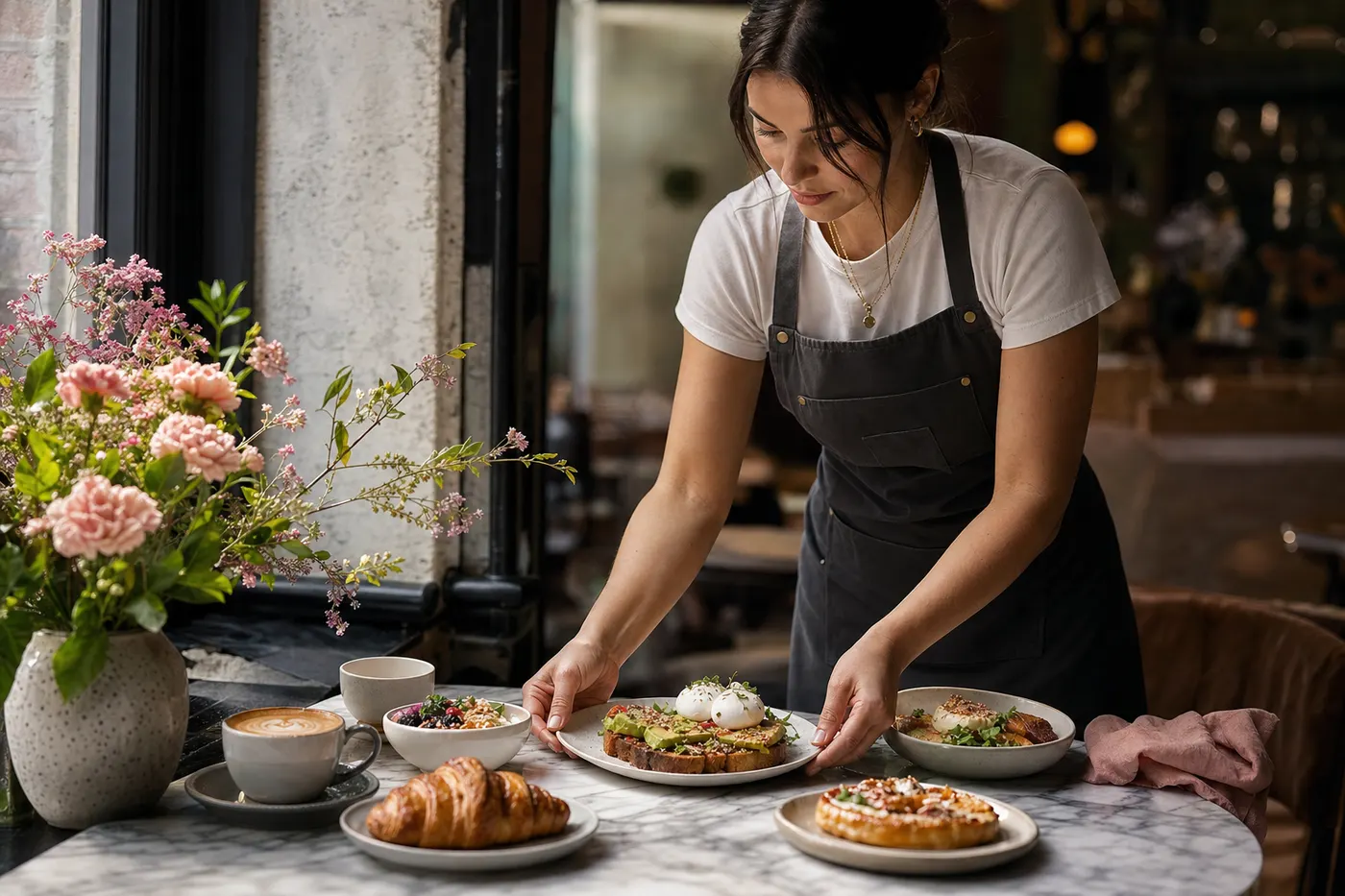
In a restaurant, the writing never ends. The menu changes every season, new reviews come in every weekend, and delivery platforms need different descriptions from the ones on your website. Someone on the team ends up writing all of it between shifts, usually in a rush and without much enthusiasm. A content agent takes the repetitive writing tasks and produces consistent versions in the same tone, without waiting for Friday night inspiration.
Descriptions of dishes and drinks for the in-house menu, the website and the listings on Glovo, Tazz and Bolt Food
Replies to reviews on Google and TripAdvisor, from a short thank-you to a careful response to a complaint
Announcements for promotions, the daily menu and events, ready for posts and for messages to customers
Short social media copy tied to what you have in stock and the tables available that evening
The agent does not invent your venue’s reality. It starts from the menu, recipes and stock you already have in your system and writes from them, so you never promise a dish that sold out at lunch. Instead of someone jumping from a shift to writing posts, the team stays on service and in the kitchen, where its presence really matters. You remain the one who decides what gets featured and what tone the venue has, and the agent handles the volume of text.
Tell us what slows you down. We talk, then decide together whether and how we work.
Menu descriptions that sell, not just list
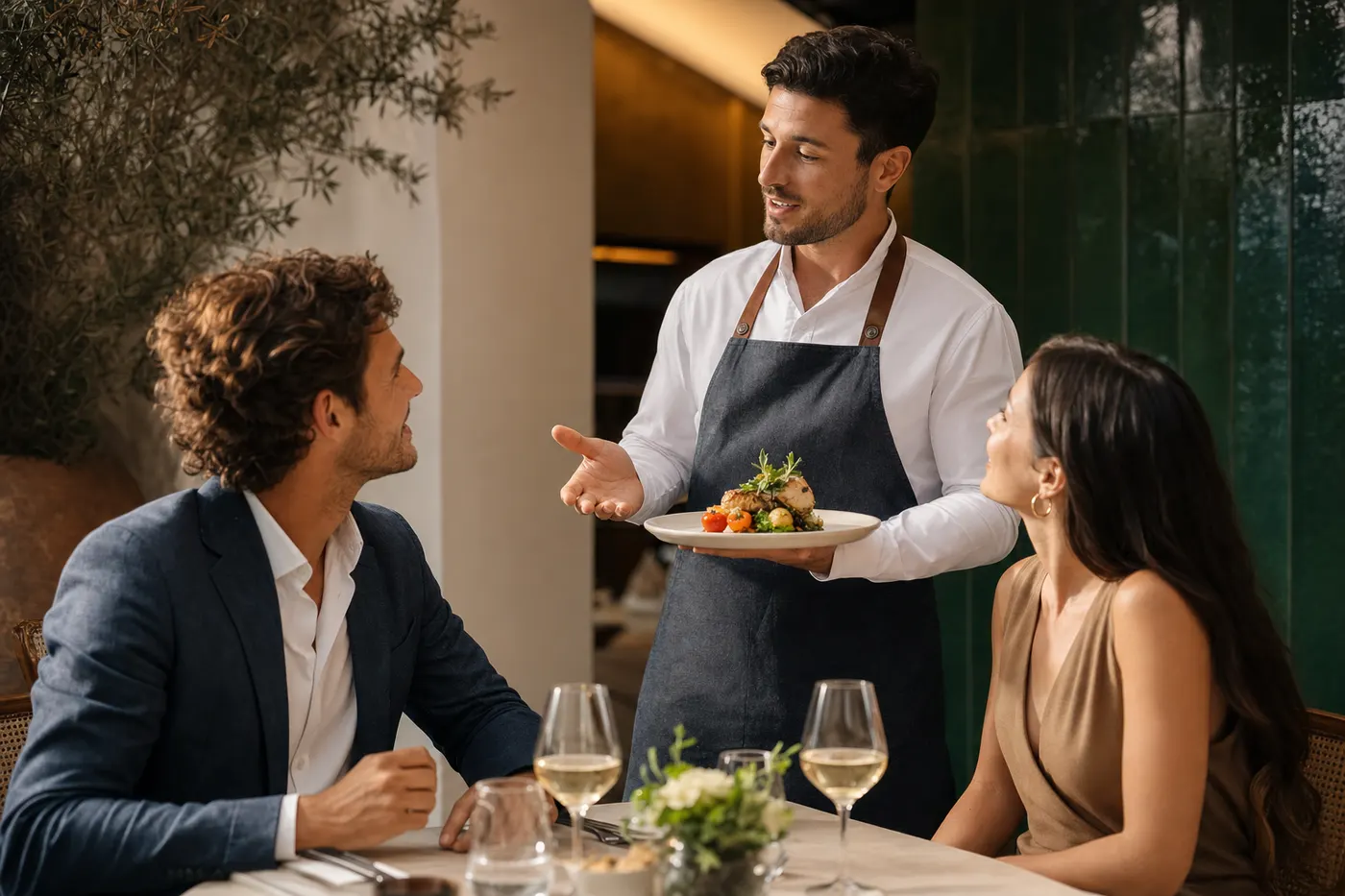
A dish listed on the menu as homemade lasagna says almost nothing. The same dish described with layers of fresh pasta, slow-cooked beef sauce and gratinated mozzarella wins the order. The content agent turns a dry list of ingredients into descriptions that make the customer choose, without falling into empty adjectives like delicious and unique that everyone else uses.
The difference between channels matters a great deal. On Glovo or Bolt Food, where the customer decides in a few seconds and reads on a phone, the text has to be short and clear. On the in-house menu, where the guest is seated and has time, there is room for a sentence about where the coffee comes from or about the local cheese supplier. The agent produces different versions for each context, starting from the same recipe.
Price, portion weight and allergens stay exactly as you provide them. The agent does not touch data that relates to compliance or money. It works only on the description. That way you can update an entire seasonal menu in one afternoon instead of struggling through it dish by dish.
Review replies on Google and TripAdvisor

Reviews keep coming, and silence costs you customers. A good reply to a four-star review shows you are paying attention, and a calm reply to a complaint about waiting time can save the reputation of a bad night. The agent drafts these replies based on what the customer actually wrote, not with copied formulas you can spot from a mile away.
For positive reviews, it writes short thank-yous that sound like a person, not a robot repeating thank you for your visit. For negative ones, it proposes a version that acknowledges the problem and offers a way to fix it, without getting into a public argument in front of future customers. It also accounts for the difference between Google and TripAdvisor, because the audience and the expectations are not the same.
You see every text before it goes out. If you know the exact context of that table, meaning what really happened that evening, you adjust the reply in a few seconds and only then publish it. A reply that is a day late matters less than a wrong one sent on the spot, and the agent gives you time to check without leaving the review unanswered for days.
Promos for Glovo, Tazz and Bolt Food
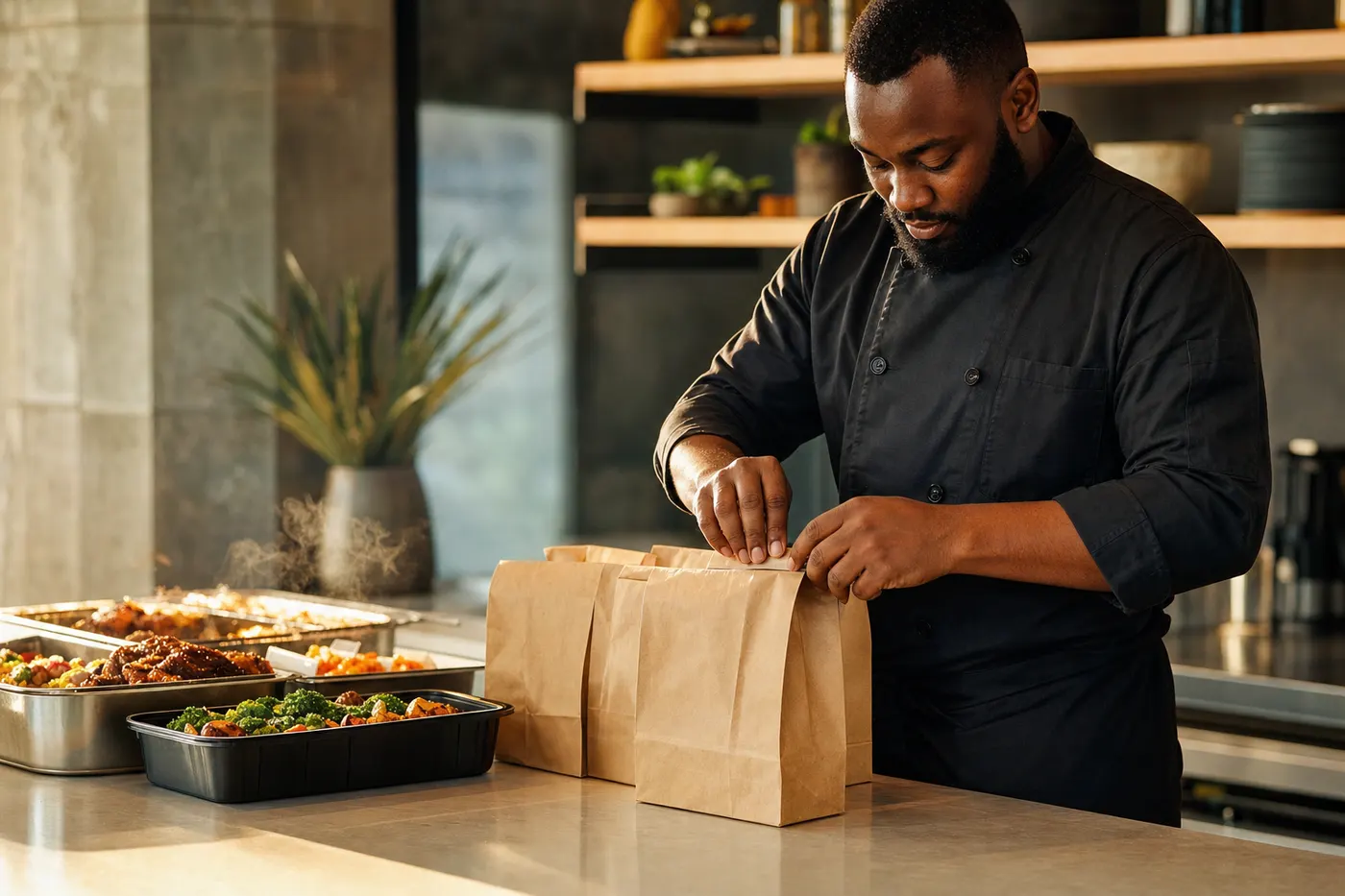
Delivery platforms are a separate sales channel with their own rules. A lunch promotion, a new burger menu or a weekend discount needs short copy that fits each app’s character limits. The agent prepares these versions once, for Glovo, Tazz and Bolt Food at the same time, so you don’t rewrite the same announcement three times in three places.
When your POS is connected to the delivery platforms through an integrator such as Expressoft, boogiT or Horeka, the agent works on the same menu structure you already have there. It does not replace the technical integration that sends the order to the kitchen. It handles strictly the text, meaning how each dish and each offer reads for the customer ordering from home.
The text on delivery apps is often all the customer sees before ordering, because the photo and the dish name sit side by side in a long list. A description that says clearly what you get, how big the portion is and what comes with it can be the difference between an order and a scroll past. The agent writes with that short moment of decision in mind.
Posts and promotions tied to stock and reservations
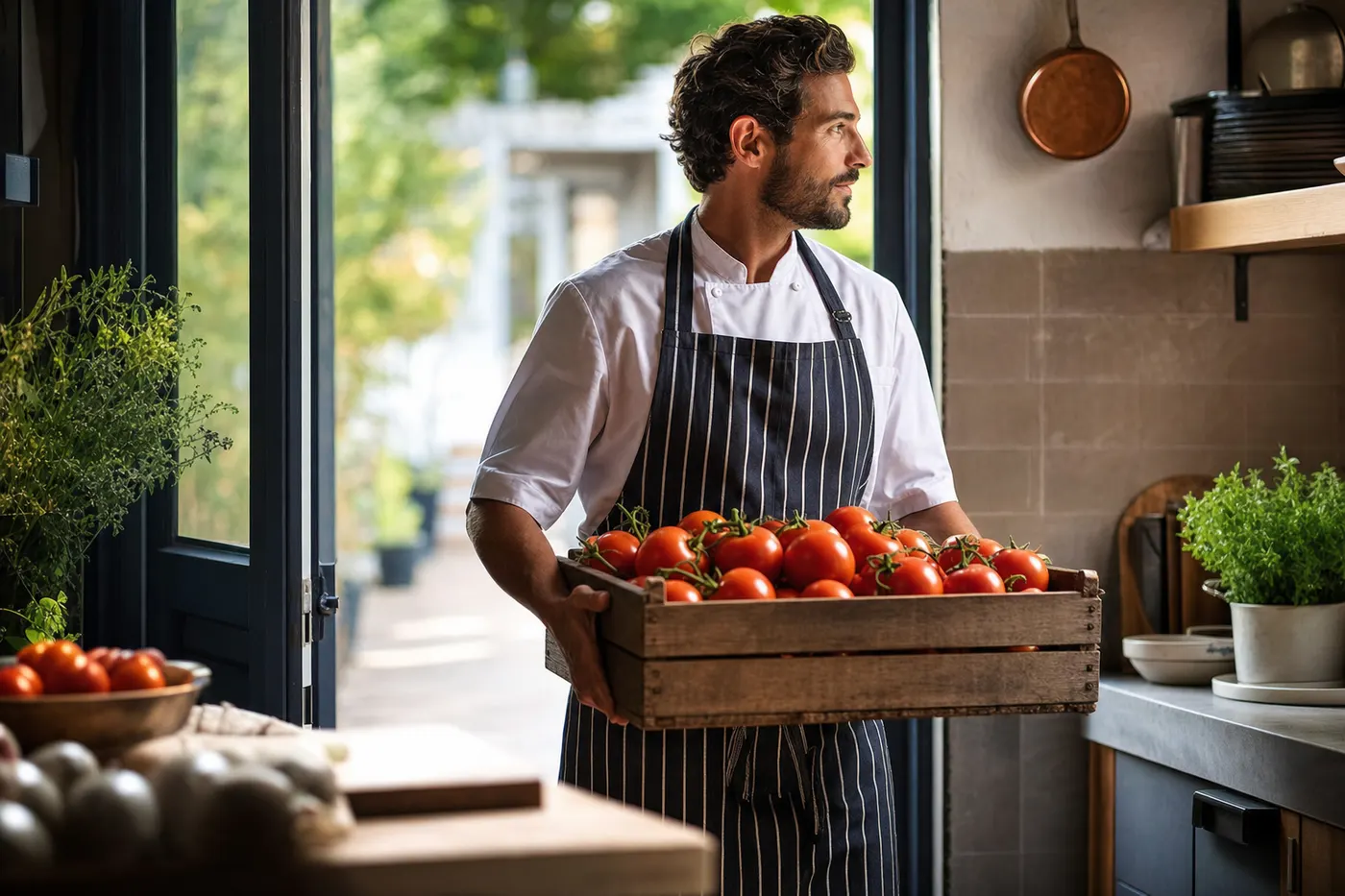
The best content in a venue starts from what is happening right now. You have too many tomatoes that need to be used by tomorrow, and the agent proposes a dish of the day and the post copy for it. You have free tables on Thursday night, and it drafts an announcement that pushes reservations toward that slower day of the week.
The agent can work to a rhythm you set, for example one post a day with the lunch menu and one on the weekend with the atmosphere in the dining room. The copy stays tied to what is real in the kitchen and in stock, so you don’t end up promising a soup that is no longer available or a table for ten when the venue is already full at that hour.
The link to reservations and tables matters just as much as stock. If you have a system that shows which tables are taken and at what time, the agent can prepare announcements that fill exactly the gaps, not the hours that are already full. That way content is no longer just a nice image on social media. It works for your actual dining room.
Where a person steps in
A content agent does not run the venue on its own. The decision about which dish to feature, which promotion you can afford at your margin and how to respond to a serious complaint stays with you. The agent prepares the versions, and a person who reviews them reads them, adjusts them to the real context and then approves them.
There are moments when human oversight is not optional. A reply to a review that mentions a hygiene problem, a price announcement tied to invoicing through SPV and e-Factura at ANAF, or a promotion that directly affects your revenue all need a person’s eye before publishing. The agent takes the writing work off your plate, but the hand on the button stays yours, and that is exactly how it should be.
To what we sell
The most important link on the page. From here you go up to the agent we sell.
Related links
Sideways, on the same level, so you can move easily between pages.
Questions about content in HoReCa
Does the content agent post on Google or Glovo by itself?+
Not without approval. It prepares the copy for reviews, the menu and promotions, and a person who reviews it reads it and presses the publish button. You can choose to automate only the simple steps, such as a thank-you for a five-star review, and keep control over the rest.
Does it connect to my POS and my delivery integrator?+
The agent works on the menu structure you already have in systems such as Expressoft, boogiT or Horeka. It does not replace the integration that sends the order to the kitchen. It writes the text for each dish and each offer on Glovo, Tazz and Bolt Food.
How does it avoid promising dishes that are out of stock?+
It starts from the menu, recipes and stock in your system, not from imagination. If a dish has sold out, the agent does not feature it. Decisions about what you promote stay with you, based on what you really have in the kitchen that day.
Is it a fit for a small cafe too, or only for large restaurants?+
It works for a bistro, a cafe, a bar or a restaurant, whatever the size. A small venue gains the most, because it usually has nobody dedicated to writing. The agent takes over the content work, and the team stays on service and in the kitchen.
Tell us what slows you down. We talk, then decide together whether and how we work.