AI design and creative agent for a HoReCa venue
An AI design and creative agent handles the day-to-day visual side of a venue, from the menu layout to the photos on delivery apps. It takes the manager’s short brief and the names and prices from the POS, and produces versions ready to use on QR, in print and on Glovo, Tazz or Bolt Food. It decides nothing by itself. It prepares the material, and a person reviews and publishes it. For a restaurant, a cafe or a small bar, this means a consistent look across all channels without a full-time designer.
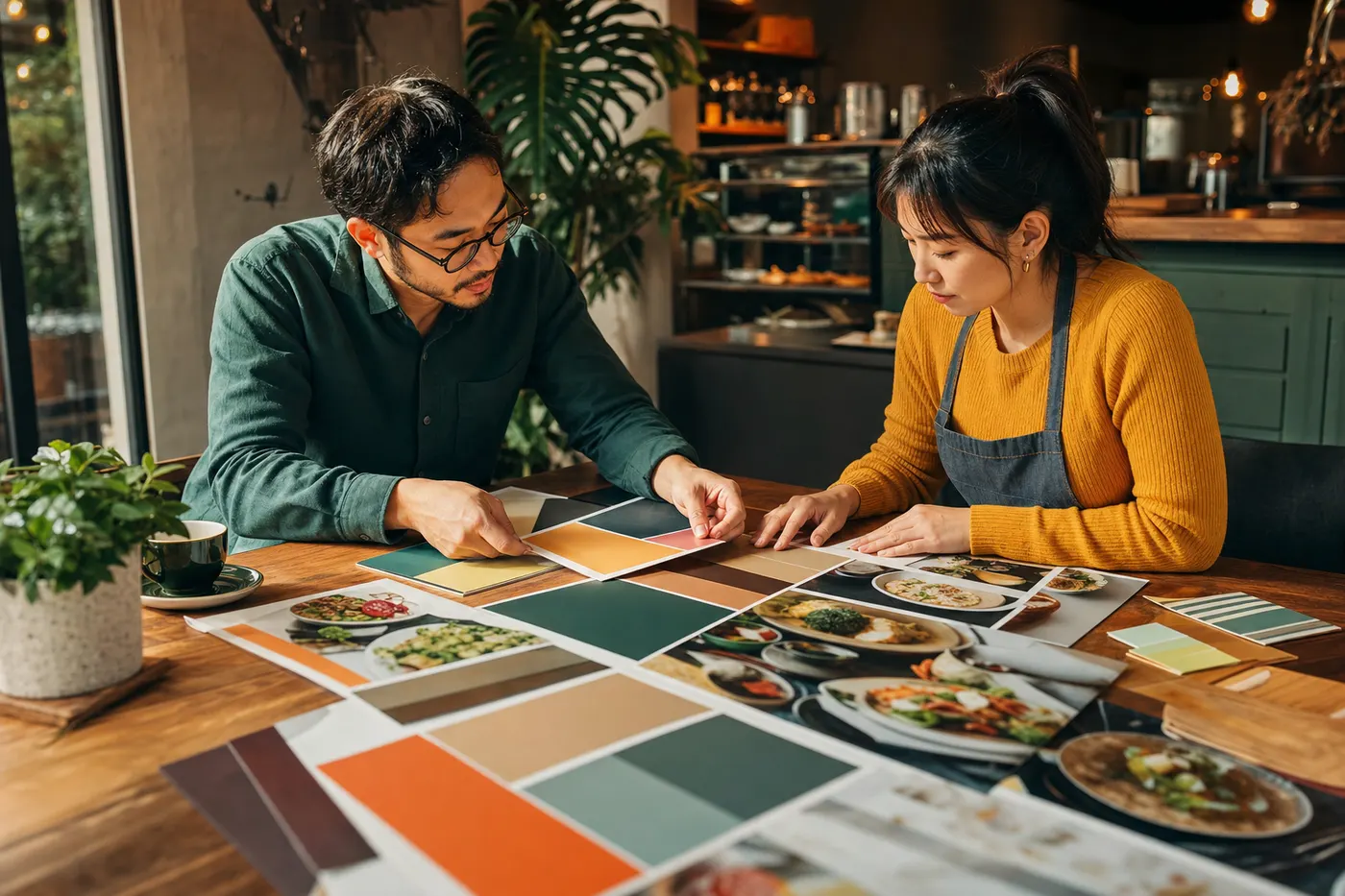
What a design and creative agent takes over in a venue
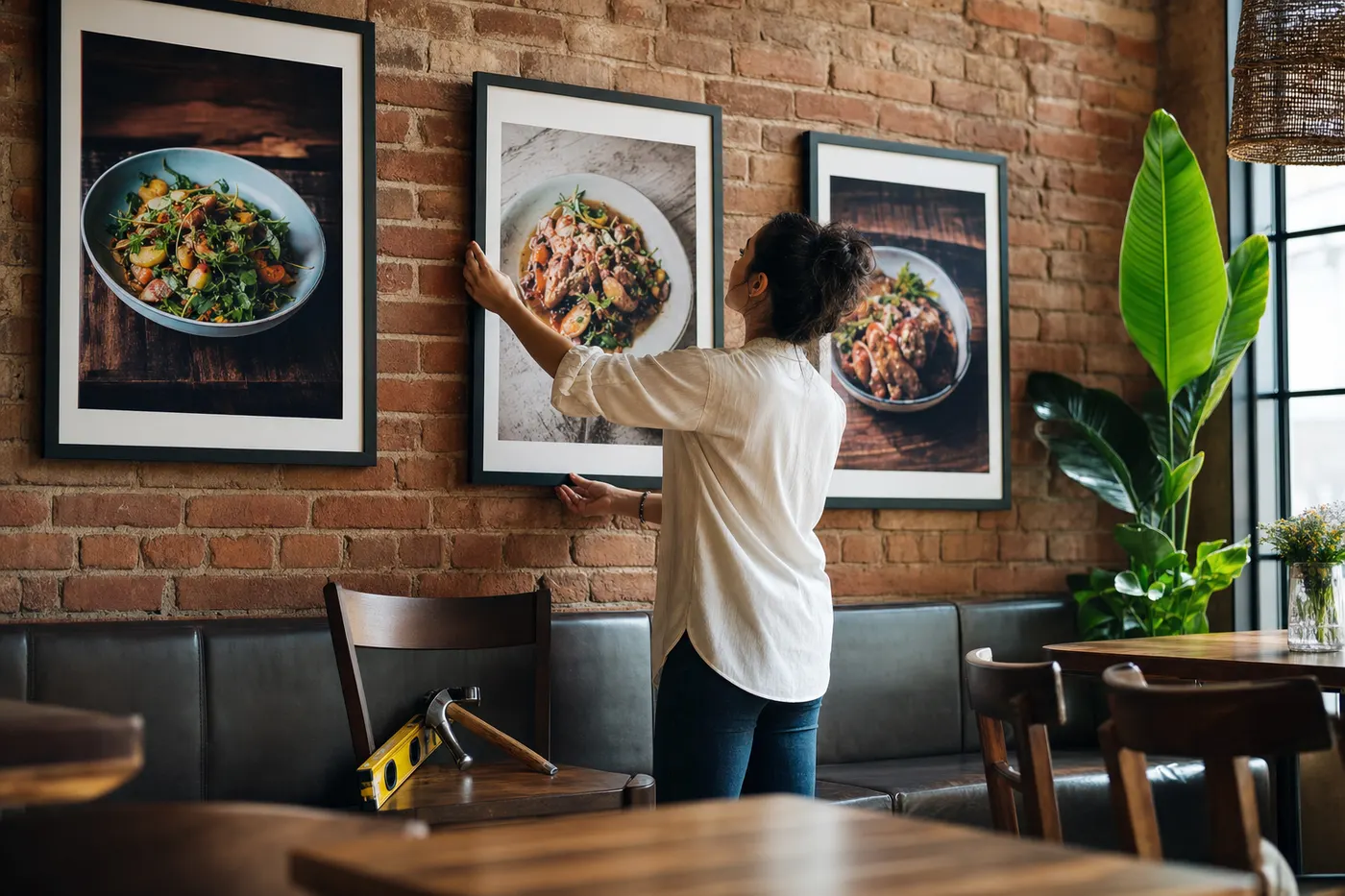
A venue is not short of ideas. It is short of time and consistency. The evenings a manager spends adjusting a menu or cropping a photo for Glovo are lost evenings. The design and creative agent takes over exactly this formatting and repetition work. It starts from a short request, takes the real names and prices from the system and produces the layouts and visuals the venue needs, in a form a person can approve in a few minutes.
Menu layouts for the dining room, for the QR code on the table and for print, aligned to the same names and prices
Product photos cleaned up and framed for the listings on Glovo, Tazz and Bolt Food
Visuals for posts, stories and the lunch offer, in the format each platform requires
The small materials around the venue, from table cards to terrace posters and display case labels
It does not replace the creative studio or the chef who plates the dish. It takes over the formatting and repetition, the part that eats up evenings, and leaves people on taste and decisions. A small venue ends up looking consistent across all channels without keeping a designer on permanent staff.
Tell us what slows you down. We talk, then decide together whether and how we work.
Menus that look the same on QR, in print and on delivery apps
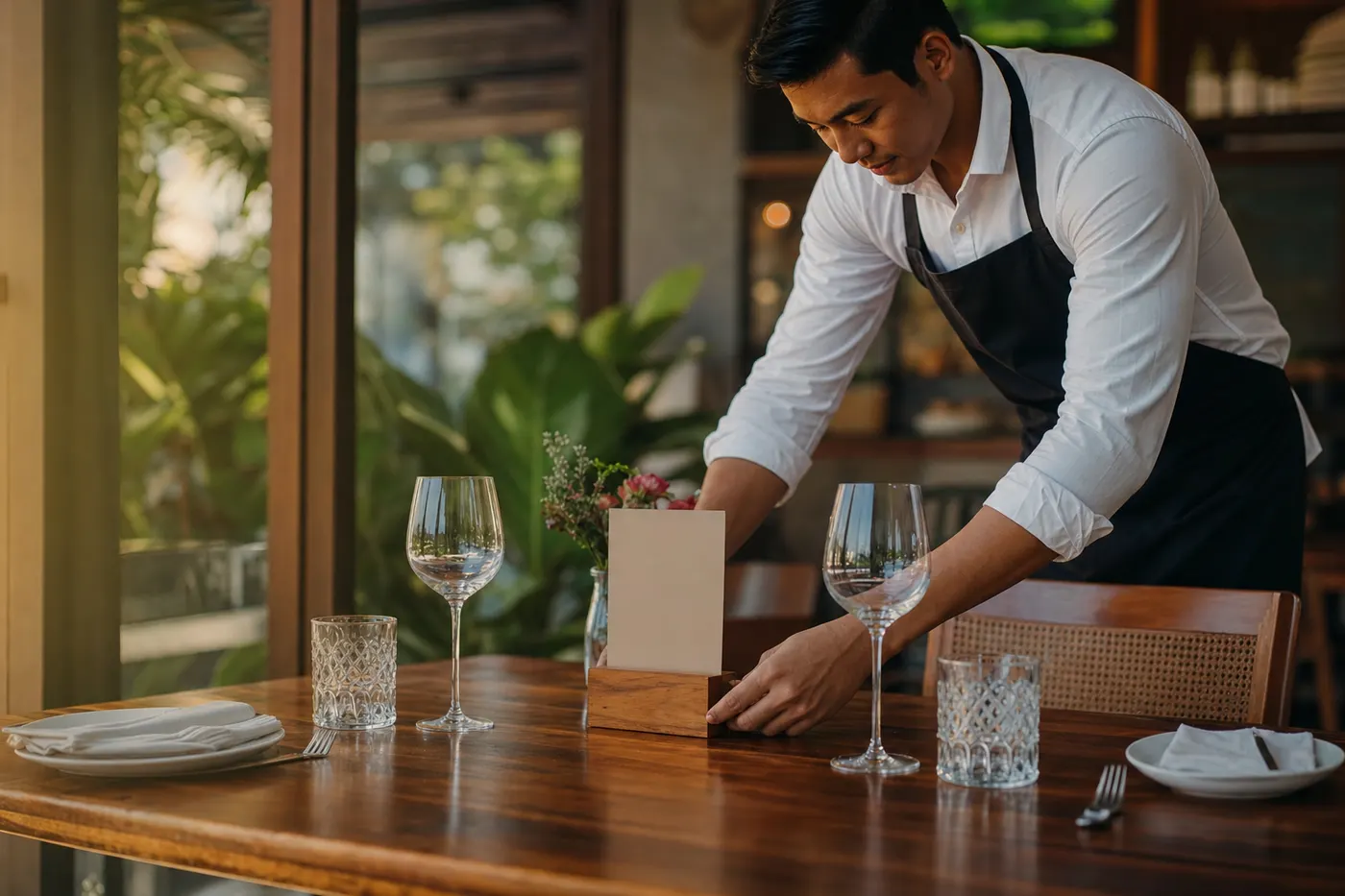
The most common problem at a venue is a menu that does not match itself. The price on the QR differs from the printed one, a name is spelled three different ways, and Glovo still shows the dish that was dropped two weeks ago. The agent starts from a single source of truth, the product list in the POS, and generates all the layouts from it. When the chef drops a dish or changes the portion weight, it redoes only the affected versions and sends them for review, instead of leaving the manager to search through five different files.
For the digital menu, it works in the format required by platforms such as MeniuDigital.ro or by the QR code on the table, and for print it produces a print-ready file. The structure stays the same everywhere, so a customer who saw the offer on a phone finds exactly the same dish and the same price when they sit down at the table. That consistency shows up directly in trust, especially at a new venue where people are still studying your menu before they book.
Product photos that sell on Glovo, Tazz and Bolt Food
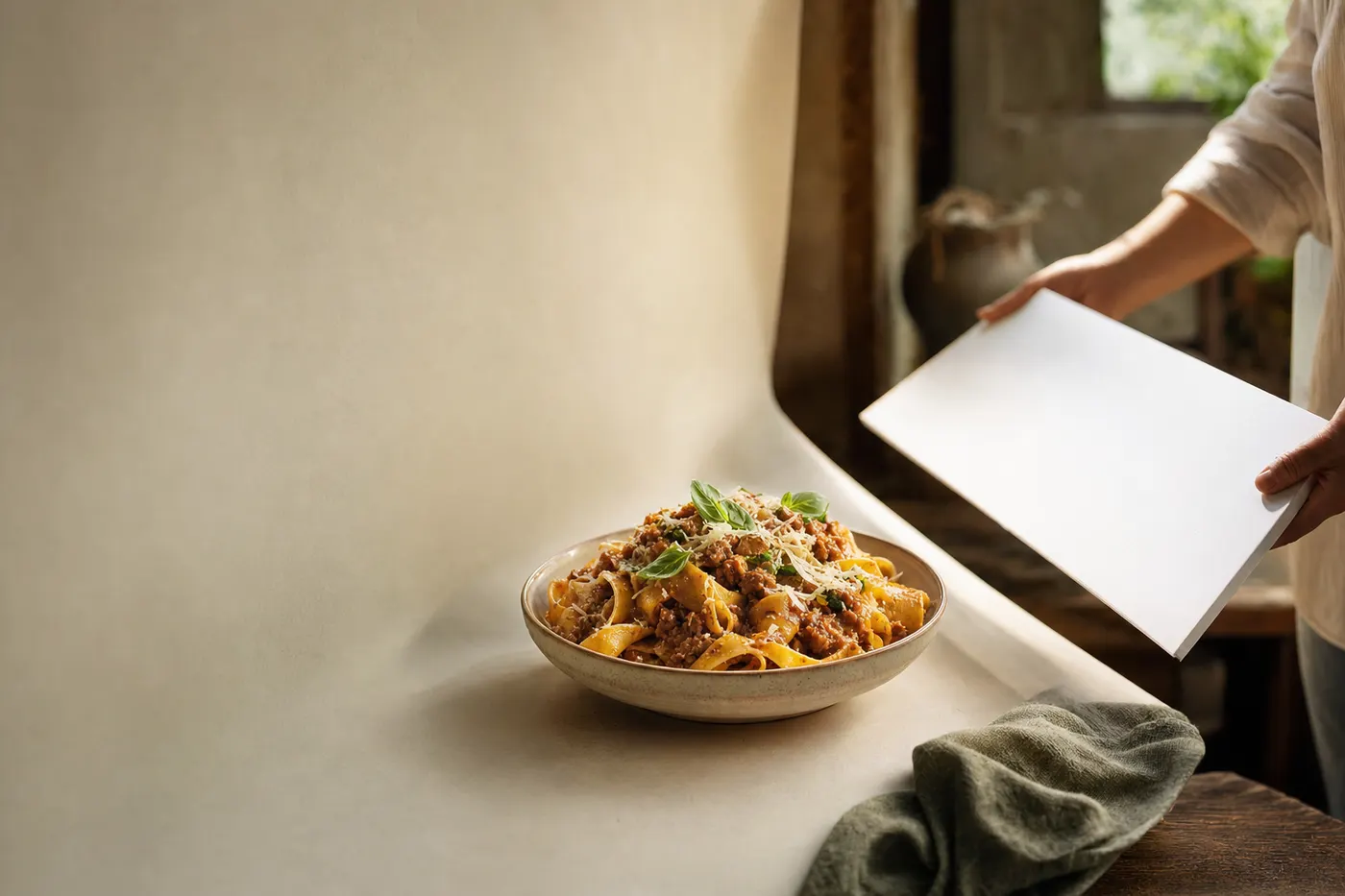
A bad photo of a dish costs real orders on delivery apps. The agent takes the photos shot in the kitchen on a phone, frames them, cleans up the background and brings them to the product listing format on Glovo, Tazz and Bolt Food. It takes into account that each platform crops the image differently, so it prepares separate versions instead of putting the same photo everywhere. For new dishes it also proposes the shot, meaning what is visible in the photo and how the plate sits, so the chef knows what to plate before the photo is taken.
Across the season, when the summer menu or the holiday offers come in, it redoes the whole set of images from a single request, instead of reworking each listing by hand. The manager gets a pack of versions and chooses. The result always remains a proposal that a person approves, because a photo that does not look like the real portion brings bad reviews, not extra orders.
Visuals for Google reviews and the TripAdvisor profile
Reviews on Google and TripAdvisor are a design surface too, not just text. When a customer praises a dish, the agent can turn the quote into a clean visual for a story or a post, with the venue’s name and without inventing words that were never written. In the same way it prepares the reply card for cooler reviews, in the venue’s tone, which the owner reads and sends personally.
For the Google Business profile and the TripAdvisor page, it produces cover photos and gallery images at the correct sizes, so the venue looks well kept in the places people check before they book a table. A profile with aligned photos and a coherent look makes the difference between a customer who walks in and one who moves on to the place next door.
How design connects to the menu, stock and recipes
Design in a venue does not live on its own. It is tied to stock, recipes and invoices. If an ingredient is missing and a dish comes off the list temporarily, the agent removes it from both the menu layouts and the delivery listings, so the venue does not get orders for something it does not have at the moment. That keeps the creative side connected to what is really happening in the kitchen, not to a pretty menu that no longer matches what is being cooked.
When an invoice comes in through SPV and the cost of a product changes, the agent can flag the dishes where the margin has thinned, so a person can decide whether to change the price on the menu. It does not change the price itself and does not touch the tax side. It only links the information to the visual side, so the decision is made with the figures in front of you, not from memory.
Where a person steps in
The agent does not press publish by itself. Every printed menu, every photo uploaded to Glovo and every visual posted on social goes through a person who checks the price, the portion weight, the allergens and whether the portion in the photo looks like the one on the plate. Decisions that relate to the venue’s identity, for example how the brand looks, what tone a reply to a sharp review takes or how much a dish costs, stay with the manager or the owner.
The agent brings speed and options, and human oversight brings taste and accountability. In a venue, a pricing mistake or a missed allergen is not a simple design error. It is a problem with the customer in front of you. That is why the last look always belongs to a person, and the agent is the one that prepared everything there is to approve.
To what we sell
The most important link on the page. From here you go up to the agent we sell.
Related links
Sideways, on the same level, so you can move easily between pages.
Questions about design and creative in HoReCa
Does the design agent change menu prices by itself?+
No. It takes the names and prices from the POS and puts them into layouts, but any price change is decided by a person. When an invoice from SPV thins the margin on a dish, the agent flags it, and the manager chooses whether to change anything.
How do the photos get onto Glovo, Tazz and Bolt Food?+
The agent prepares versions in each platform’s format, because all three crop the image differently. It leaves them as a proposal, and someone at the venue checks them and uploads them after confirming that the portion in the photo looks like the real one.
Does it work for a small cafe or bar too, not just a restaurant?+
Yes. A bar has a drinks menu, happy hour offers and posts, and a cafe has a display case and a seasonal menu. The agent works the same way, starting from the product list and the owner’s short brief.
Does it replace a designer or a creative studio?+
Not for brand and concept work, where a person is still needed. It takes over the repetitive formatting work, menus, product listings and social visuals, so a small venue looks consistent without a permanent designer.
Tell us what slows you down. We talk, then decide together whether and how we work.