AI email and newsletter agent for a HoReCa venue in Romania
An email and newsletter agent in a venue handles everything related to writing and sending to customers, without asking anyone on shift to open Mailchimp at eleven at night. It collects addresses from reservations and from orders on Glovo, Tazz and Bolt Food, writes the newsletter with the menu of the week and sends the review request by itself after the customer has left the table. You approve the copy and the offer, and the agent carries the rest through. The result is a customer list that comes back, not one gathering dust in a forgotten account.

What an email and newsletter agent takes over in a venue

In a restaurant, cafe or bistro, email communication usually comes last on the list, after stock, after the shift and after deliveries. Nobody on the team has a free evening to write a proper newsletter, so the subscriber list sits untouched for months. The agent moves this work into the background and keeps it steady, without asking anyone to sit down at a laptop at closing time.
Writes and schedules the weekly newsletter with the menu, the promotion of the day and the events at the venue.
Sends the thank-you email and the review request by itself a few hours after a reservation or an order.
Splits the list into dine-in customers, delivery customers and those who have not walked through the door in a long time.
Prepares campaigns for slow evenings, such as Monday and Tuesday, when tables stay empty.
In practice, the agent handles the repetitive, time-consuming part of email marketing, and you keep the decisions that really matter for the venue, from the offer you put on the table to the tone you use with your customers.
Tell us what slows you down. We talk, then decide together whether and how we work.
How the subscriber base grows from reservations and delivery orders
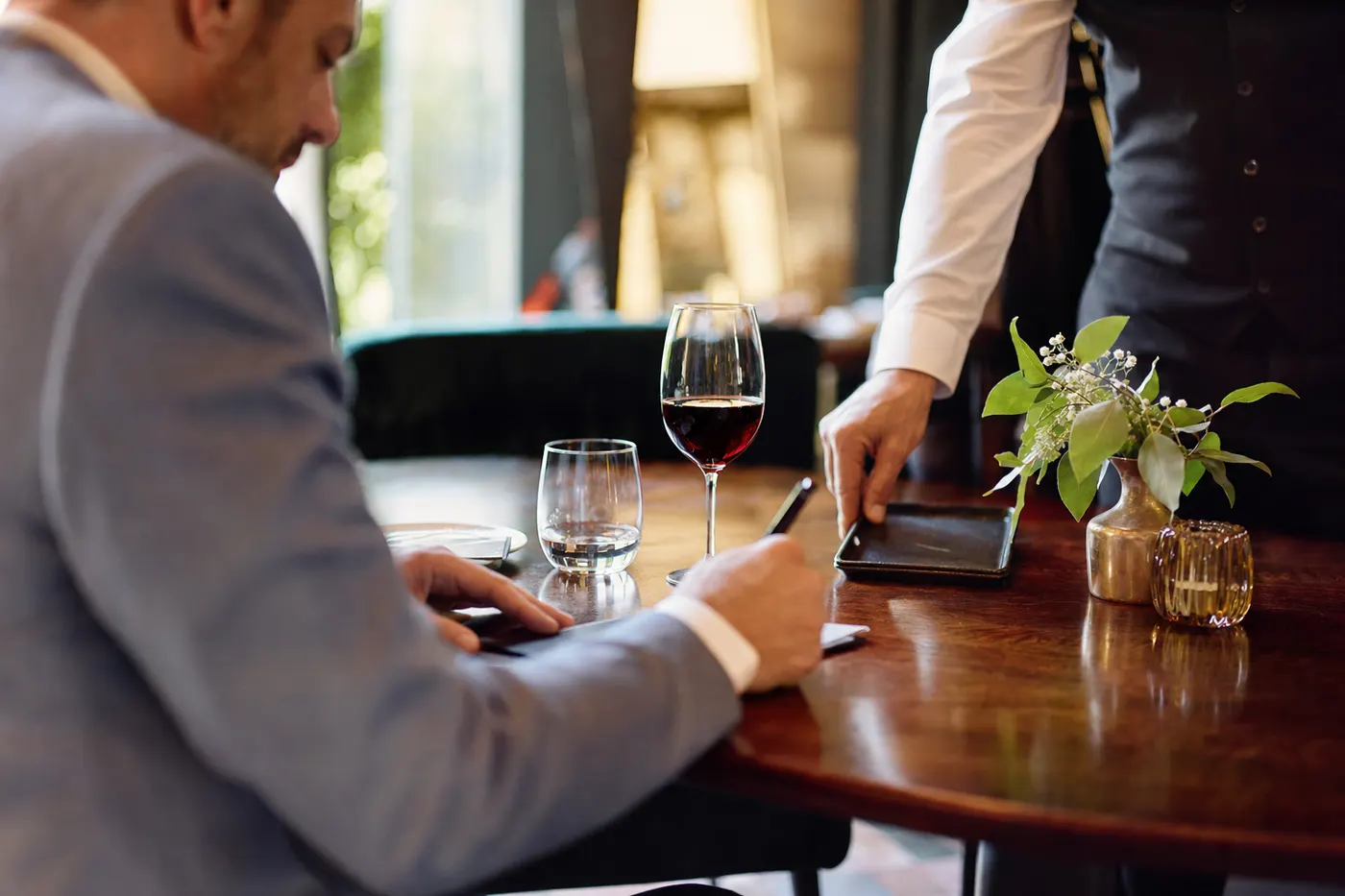
A good email list is not bought. It is built at the venue, customer by customer. The agent connects to the sources you already have and uses all of them. From the reservation system it takes the addresses of those who booked a table, and from the delivery platforms connected to the POS, meaning Glovo, Tazz and Bolt Food, it collects the customers who order at home. The management systems used in Romanian HoReCa, such as Expressoft, boogiT PoS or Horeka by Roweb, already bring orders from these platforms straight into the POS, so the contact data ends up in one place, not scattered across three apps.
From there, the agent builds the list in a real email tool such as Brevo or Mailchimp and follows the rules from the start. It uses double opt-in, meaning every subscriber confirms they want to receive the newsletter, and it always adds the unsubscribe link, exactly as GDPR legislation in Romania requires. Without this discipline, you risk either fines or landing straight in spam, and a newsletter that does not get opened fills no tables. The agent keeps track of who has given consent and who has not, so you never send a message where you are not allowed to.
As the list grows, the agent also cleans it. It removes addresses that bounce constantly, flags customers who have not opened anything in several months and separates them from the active ones. That way, a cafe does not end up paying an email subscription for thousands of dead contacts. It works with people who really read.
The newsletter that fills tables on slow evenings
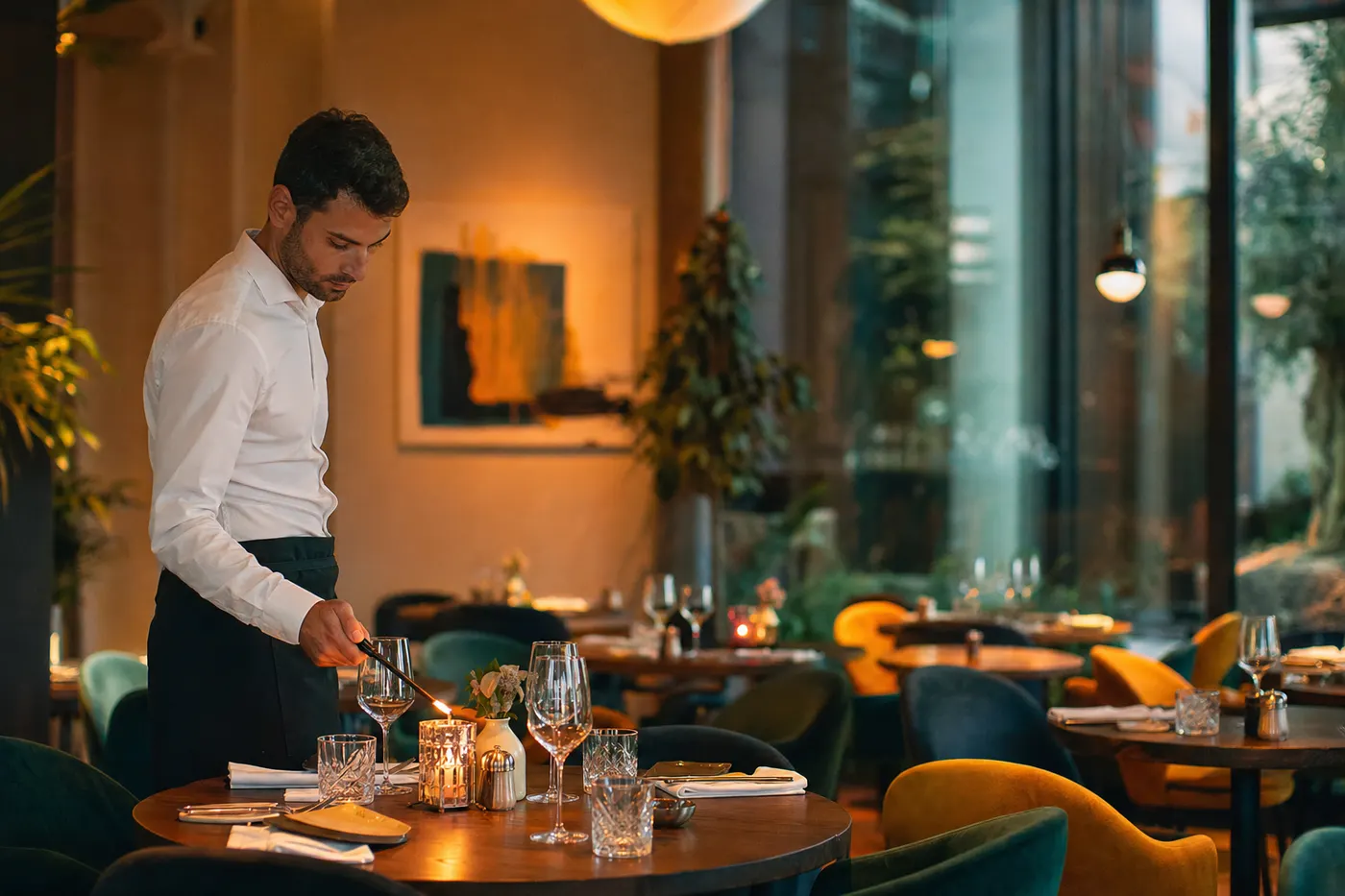
Every venue has days that run themselves and days when the dining room is half empty. This is where an email agent’s work is most visible. It looks at the menu of the week, the stock that needs to move and the seasonal recipes, then proposes the right campaign for the right moment. If the kitchen has a surplus of a dish or a weekend with a concert at the venue is coming up, the agent prepares a newsletter that pushes exactly that, at the hour your customers usually open their email.
For a bar, this can mean a Thursday morning message with the weekend schedule and a new cocktail. For a bistro, an invitation to the lunch menu sent on Tuesday to people who work in the area. The agent writes the copy in the venue’s voice, not in stiff corporate language, and adds a clear reservation or order button, so the path from email to table is as short as possible. Every campaign goes out with a subject line designed to be opened, not a dull title that gets lost in the inbox.
For delivery customers, the message is different. Someone who usually orders on Tazz or Bolt Food gets offers related to delivery and large orders, not invitations to a table in the dining room. The agent makes this distinction by itself, because it knows which source each contact came from.
Reviews on Google and TripAdvisor requested at the right moment

Reviews are a matter of life and death for a venue. A restaurant with many recent stars on Google ranks higher and inspires more trust than one with reviews that are two years old. The problem is that most happy customers leave without writing anything, and the unhappy ones write first. The agent balances the story. A few hours after the customer has finished the meal or received the order, it sends a short thank-you email with a direct link to the venue’s Google or TripAdvisor page.
Timing matters a great deal. A request sent the next day, when the memory of the dish is still fresh, brings far more reviews than one that arrives a week later. The agent times this for every visit and does not bother the same customer more than once. When someone has already left a review, it takes them out of the sequence, so they don’t get a pointless second request.
When a negative review appears, the agent notifies you immediately, along with what the customer wrote. It does not reply on the venue’s behalf to a public complaint by itself, because a wrong reply on Google can do more harm than the review itself. It prepares a draft reply that you read and publish yourself.
How the agent connects to the POS, SPV and the rest of your tools
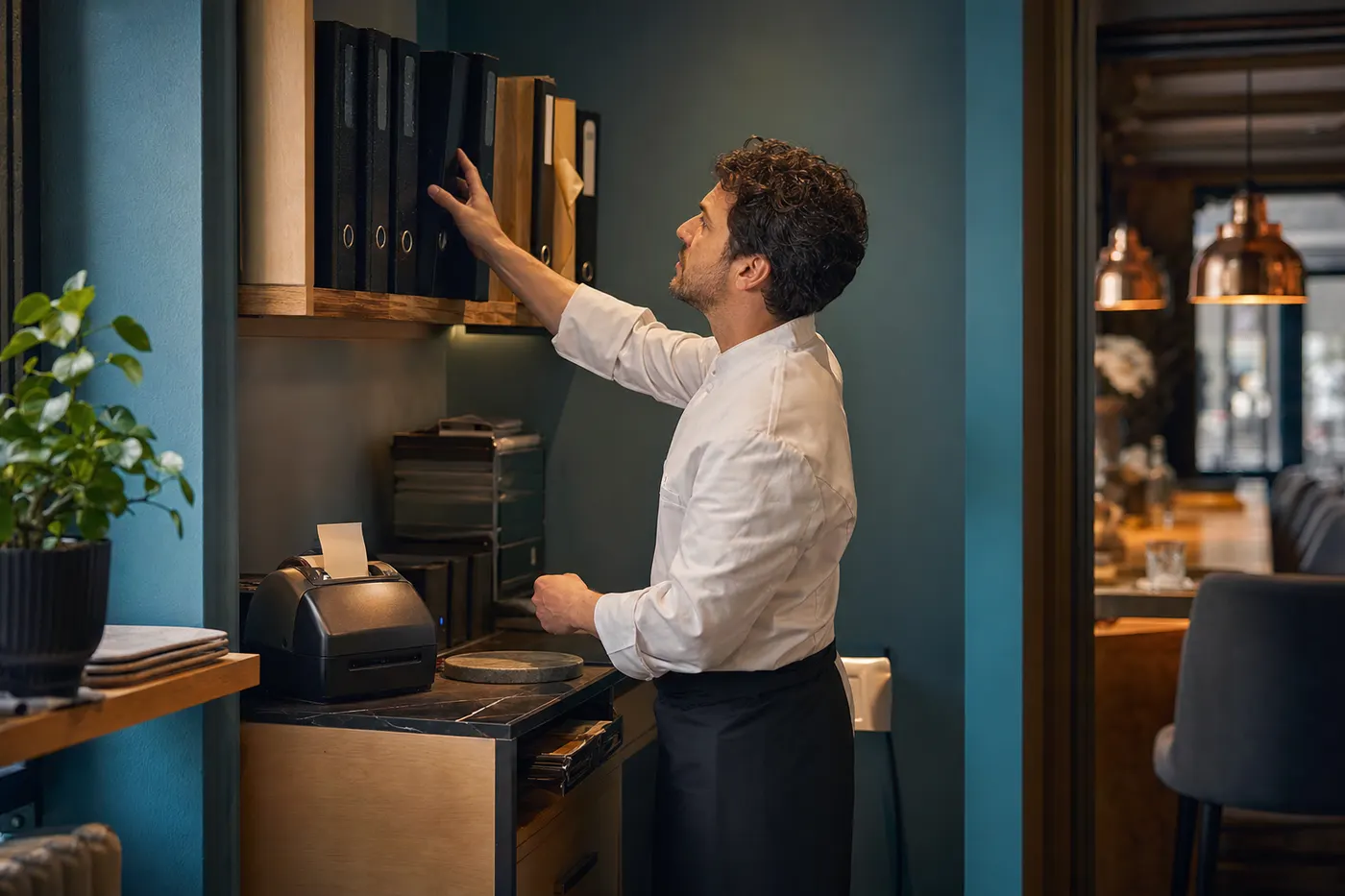
An email agent does not sit apart from the rest of the venue. Otherwise it would be just another account nobody opens. It connects to the management and POS system, where it gets the orders, the stock and the customers from Glovo, Tazz and Bolt Food, and to the email tool you already use, whether Brevo, Mailchimp or another. From the reservation system it picks up the booked tables, and from Google and TripAdvisor it reads new reviews as they appear.
The tax side stays separate, and that is how it should be. The invoices that go into SPV and e-Factura at ANAF belong to accounting, not marketing, and the email agent does not touch them. Its role is strictly customer communication, from the newsletter to the review request. Placed in the chain of tools you already have, the agent works quietly between shifts and leaves your venue with a customer list that comes back, fresh reviews on Google and fuller tables on the evenings that would otherwise have stayed empty.
Where a person steps in
The agent does not run the venue alone, and it should not. There are decisions that stay with a person who reviews every important step. You approve the offer in a newsletter before it goes out, because only you know how much margin you have on a dish or whether the stock really covers the promotion. A person also decides the tone of the big campaigns, such as Christmas, Valentine’s Day or the opening of a new terrace.
Replies to negative reviews and messages to upset customers always go through human oversight before publishing. Likewise, any offer with a large discount or a collaboration with a local influencer is validated by someone on the team, not sent automatically. The agent puts everything on the table for you, prepared, with the copy written and the offer calculated, and you just say yes or no. That way you save the time but keep control over the venue’s image and over the money.
To what we sell
The most important link on the page. From here you go up to the agent we sell.
Related links
Sideways, on the same level, so you can move easily between pages.
Questions about email and newsletters in HoReCa
Where does the agent get the email addresses of the venue’s customers?+
From the sources you already have, meaning the reservation system and the orders from Glovo, Tazz and Bolt Food connected to the POS. It adds a contact to the list in Brevo or Mailchimp only after the customer confirms through double opt-in, with an unsubscribe link included, as GDPR requires in Romania.
Does the agent send emails without me seeing what it writes?+
Not for the campaigns that matter. Newsletters with an offer, big promotions and replies to negative reviews go through human oversight and go out only after you approve them. Routine messages, such as the review request after a visit, can run automatically on a template you validated once.
Does the agent also handle invoices in SPV or ANAF e-Factura?+
No. The tax side, meaning the invoices that reach SPV and e-Factura at ANAF, belongs to accounting and stays separate. The email agent works strictly on customer communication, from the newsletter to the review request on Google and TripAdvisor.
How exactly does it help with empty tables on Monday and Tuesday?+
It looks at the menu of the week, the stock that needs to move and the customers who have not come in for a long time, then prepares a newsletter with an offer for the slow evenings, sent at the hour people open their email, with a direct reservation or order button.
Tell us what slows you down. We talk, then decide together whether and how we work.