AI influencer and partnerships agent for cafes, bars and restaurants
An AI influencer and partnerships agent keeps collaborations with content creators in order at a restaurant, cafe or bar, from the first message to the published post and the result measured in reservations and orders on Glovo or Tazz. It gathers the threads that currently get lost in DMs and WhatsApp groups, prepares barter proposals and shortlists of local creators, and ties every campaign to what is really happening at the tables and on deliveries. It sends nothing by itself. It prepares decisions for a person who reviews. That way influencer marketing becomes an activity with a beginning and an end, not a pile of forgotten promises.
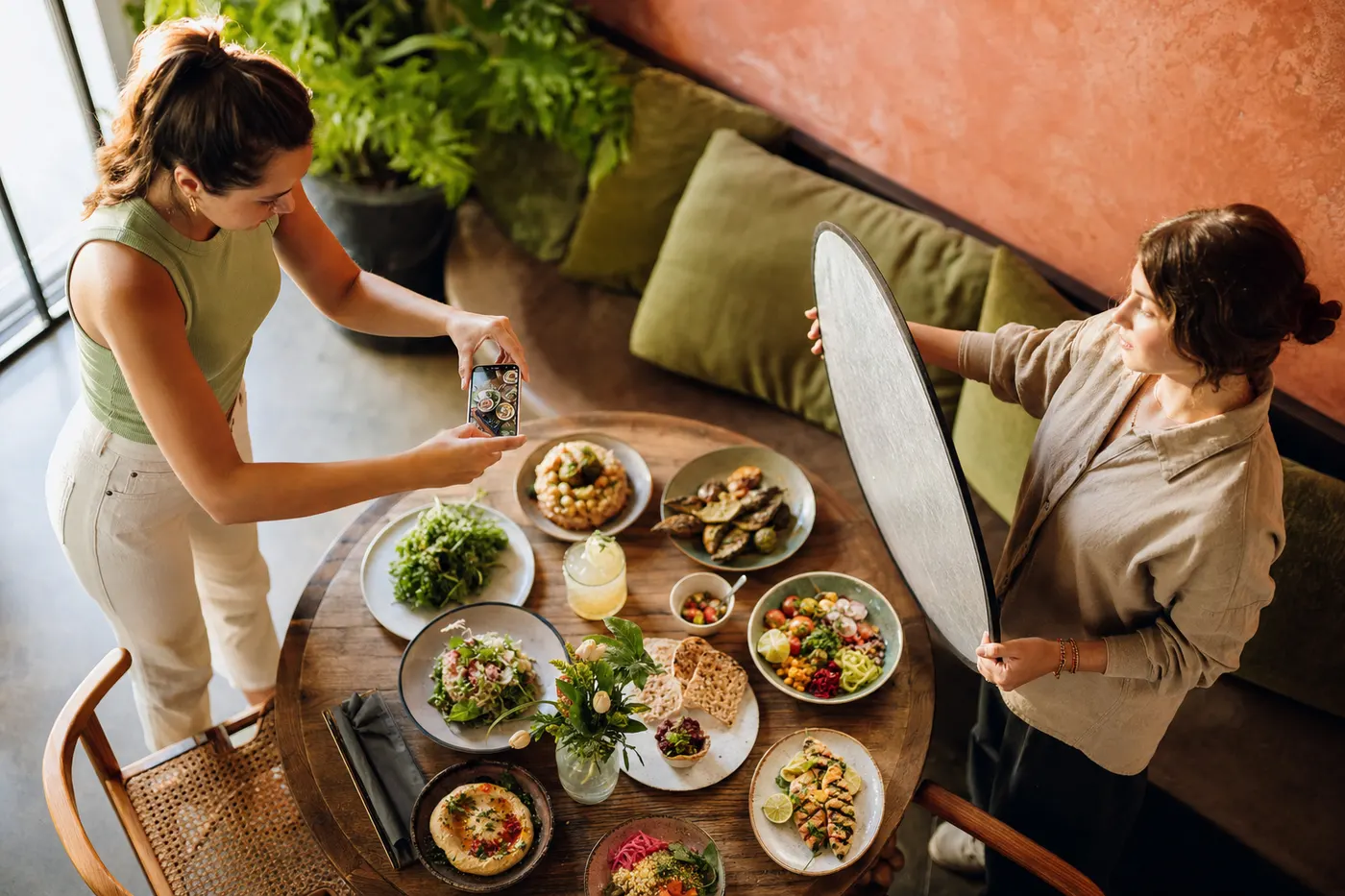
What an influencer and partnerships agent takes over in a venue
In a restaurant or a cafe, collaborations with content creators usually happen in a rush, between two orders at the POS and a stack of reservations. Someone answers a message on Instagram, promises a free meal, forgets to note what was received in return and only three weeks later discovers that the post never appeared. An AI influencer and partnerships agent keeps track of these collaborations in place of the team on shift, from the first message to the published post and the result measured in reservations or orders on Glovo.
The agent does not invent relationships and does not send barter offers by itself. It gathers the threads that currently get lost in DMs and WhatsApp groups, puts them in order and prepares decisions for a person who reviews before anything goes out to a creator or a partner brand.
Keeps a living register of the creators who wrote in, visited the venue or were contacted, with what they received at the table and what they promised in return.
Prepares proposal messages tailored to each creator, based on the type of venue, the menu and the atmosphere, ready to send once someone on the team approves them.
Tracks whether the promised post, story or clip really appeared and flags the collaborations left hanging.
Ties every campaign to real signals from the venue, such as a spike in reservations or a rise in orders on Tazz in the days after a post.
Tell us what slows you down. We talk, then decide together whether and how we work.
How it finds the right creators for your area

A neighborhood bistro does not need a creator with hundreds of thousands of followers from another city. It needs people followed by the customers who could walk through the door anyway, meaning local nano and micro creators, those with a few thousand up to twenty thousand followers. The agent works on exactly this logic of proximity. It filters by city, by neighborhood, by type of content and by how real a creator’s community seems, not just by follower count.
For this it can rely on open sources such as StarNgage or on discovery platforms like Modash and Heepsy, but also on the venue’s own history, meaning the creators who have already posted about you or about nearby competitors. The result is a short, reasoned list in which every name comes with a brief argument for why it would suit a specialty bar, a brunch cafe or a lunch restaurant for office workers.
The agent also takes the venue’s commercial side into account. If the menu changes with the season or a new dish comes in that you want to push, the creator proposals and content angles line up with what you really want the kitchen to sell that week.
From barter to a campaign measured in reservations and deliveries
Most collaborations at a venue start from barter, meaning a meal or an experience offered in exchange for a post. The problem is not barter itself, but the fact that nobody keeps count. The agent turns every agreement into a clear record, with what the creator received, what that meal really cost the kitchen and what content came out of it. That way you see in black and white whether a collaboration was worth it or was just a free meal lost.
Measurement does not stop at the number of views. A TikTok clip that collects tens of thousands of impressions means nothing if the kitchen feels no difference. The agent sets the posts side by side with what happens at the venue, meaning the reservations in the following days, the orders on Glovo, Tazz and Bolt Food that are connected to the POS anyway, and the products that suddenly started selling better. Instead of reports full of vanity metrics, you get a link between what was posted and what happened at the tables and on deliveries.
For a dish featured by a creator, the agent can also flag the pressure on stock and recipes, so you don’t end up in a situation where a viral clip brings requests for a dish that ran out of ingredients halfway through dinner service.
Partnerships with brands, events and neighboring venues
Collaborations are not limited to creators. A cafe can trade visibility with an artisan bakery nearby, a bar can host the launch of a local gin, and a restaurant can join a neighborhood food trail. The agent keeps these partnerships in the same record too, with who was involved in the discussion, what each side promised, what date the event has and what is still left to sort out.
In practice, the agent works as a memory of the light commercial relationships a venue builds over time. When terrace season returns or a holiday approaches, you already have the list of brands and venues you have worked with before at hand, instead of starting from scratch every time. Every partnership proposal remains a draft that someone in management reads before it becomes a real agreement.
How it connects to reviews, reservations and reporting to ANAF
A creator campaign does not live in isolation. After a good post, new reviews appear on Google and TripAdvisor, and some of them come exactly from the audience that creator brought in. The agent can match the wave of reviews with the collaboration that triggered it, so you see not only how many people came but also what impression they left with, and it can flag to the team the reviews that deserve a quick reply.
On the reservations and tables side, the agent helps anticipate pressure. If a creator with a large community is due to post on a specific day, the front-of-house staff can be prepared in advance for a peak in demand, and the reservation schedule adjusted. And when a collaboration involves a meal on the house or a real cost for the venue, these expenses stay cleanly documented, so the records match what finally ends up in SPV and on e-Factura at ANAF, with no surprises in accounting.
The result is that influencer and partnership marketing stops being a pile of forgotten messages and becomes an activity with a beginning and an end, in which every collaboration has a start, a measured result and a clear trace in the venue’s accounts.
The agent works alongside the team at the venue, not in its place. Collaboration decisions, the tone of relationships and the actual sending of messages stay with a person who reviews.
Where a person steps in
The agent sends no message and closes no agreement on its own. Everything related to promising a free meal, inviting a creator or accepting a partnership goes through a person who reviews. The reason is simple: in a venue, reputation is at stake in every interaction, and an ill-judged message sent to a creator or a barter accepted with someone who does not fit the brand does more harm than good.
The manager or the owner remains the one who decides who the venue works with, what tone the relationship has and how much they are willing to offer. The agent prepares the ground, meaning the proposals, the shortlist of creators, the barter records and the summary of results, but the decision to press send belongs to a person. Likewise, the choice to continue or stop a collaboration that did not deliver remains a human judgment, supported by the figures the agent has gathered.
To what we sell
The most important link on the page. From here you go up to the agent we sell.
Related links
Sideways, on the same level, so you can move easily between pages.
Questions about influencers and partnerships in HoReCa
Does the agent send messages to creators and accept collaborations by itself?+
No. The agent prepares the proposals, the shortlist of creators and the barter records, but every message and every agreement goes through a person who reviews before it goes out. The decision to collaborate, the tone and the actual sending stay with the manager or the owner.
How do I know whether a collaboration with a creator brought real customers to the venue?+
The agent sets the posts side by side with real signals from the venue, meaning the reservations in the following days, the orders on Glovo, Tazz and Bolt Food connected to the POS and the products that start selling better. That way you see the link between what was posted and what happened at the tables, not just the number of views.
Does it work for a small cafe or only for large restaurants?+
It works especially for small and medium venues, because it focuses on local nano and micro creators, those with a few thousand up to twenty thousand followers. A neighborhood bistro needs people followed by the customers who could walk through the door anyway, not creators from another city.
What happens with the cost of the meal offered in barter and with the accounting?+
Every barter becomes a record with what the creator received and what that meal really cost the kitchen. These expenses stay cleanly documented, so the records match what ends up in SPV and on e-Factura at ANAF, with no surprises in accounting.
Tell us what slows you down. We talk, then decide together whether and how we work.