AI PR and communications agent for your HoReCa venue
An AI PR and communications agent takes over all the talk around your venue, from reviews on Google and TripAdvisor to the reservation messages that come in late at night on Instagram. It replies to customers quickly and in a consistent tone, tracks what is being said publicly when an order on Glovo or Tazz was late, and prepares announcements about the menu or events, ready for approval. It does not keep the booking diary for you and it does not issue invoices, but it gathers context from the POS and deliveries so that every reply starts from real data. Sensitive decisions stay with a person who reviews before publishing.

What a PR and communications agent takes over in a venue

In a restaurant or cafe, communication never stands still. One customer asks on Instagram whether you have a free table tonight, another leaves a scathing review on Google because they waited 40 minutes for Glovo, and on TripAdvisor a question about the fasting menu comes in just when the whole dining room is full. An AI PR and communications agent for HoReCa keeps all these threads open at the same time, in the same tone, without letting messages slip from one shift to the next.
Replies to reviews on Google and TripAdvisor and to comments on Facebook and Instagram, in a tone that fits your venue
Takes the questions about reservations, available tables, opening hours and the menu that come in by message and answers them right away
Tracks what is being said about the venue when an order on Glovo, Tazz or Bolt Food was late and prepares a calm reply
Prepares announcements about a new menu, events, schedule changes and promotions, ready for approval before publishing
Tell us what slows you down. We talk, then decide together whether and how we work.
Reviews on Google and TripAdvisor answered the same day

Almost every customer looks at reviews before choosing where to eat, especially tourists arriving in the city for the first time. A four-star review with no reply and a one-star review nobody reacted to tell the visitor the same story: nobody here is paying attention. The agent reads every new review on Google and TripAdvisor, sorts it by topic, meaning food, service, cleanliness, delivery or price, and prepares a reply that addresses exactly what the person wrote.
With a negative review, it never gets into an argument. It acknowledges the specific situation, apologizes where appropriate and proposes something real, a return visit or a direct conversation with the manager. With a good review, it says thank you without sounding like a robot that copies the same text ten times. When a review looks fake or breaks the platform’s rules, the agent flags it separately so you can report it, instead of letting it drag the average down. Above all of this sits a person who reviews the sensitive replies before they go out.
Messages about reservations, tables and deliveries that don’t go unanswered

Most reservations no longer come by phone. They come on Instagram, WhatsApp and Facebook, often late in the evening, when there is nobody to answer. The agent takes the question about a table for four on Saturday, confirms the opening hours, says what menu you have that evening and passes the conversation on to the person who keeps the reservation diary, with all the details already collected. The customer gets an answer in minutes, not the next morning, when they have already found somewhere else.
For deliveries, the agent keeps an eye on what appears publicly when an order on Glovo, Tazz or Bolt Food was late or arrived wrong. It cannot fix the logistics in the kitchen, but it can reply publicly and calmly, ask for the order details to send to the team, and turn an upset customer into one who feels heard. The difference between a complaint left alone and one handled in ten minutes shows up directly in the venue’s rating.
Announcements about the menu, stock and recipes communicated consistently
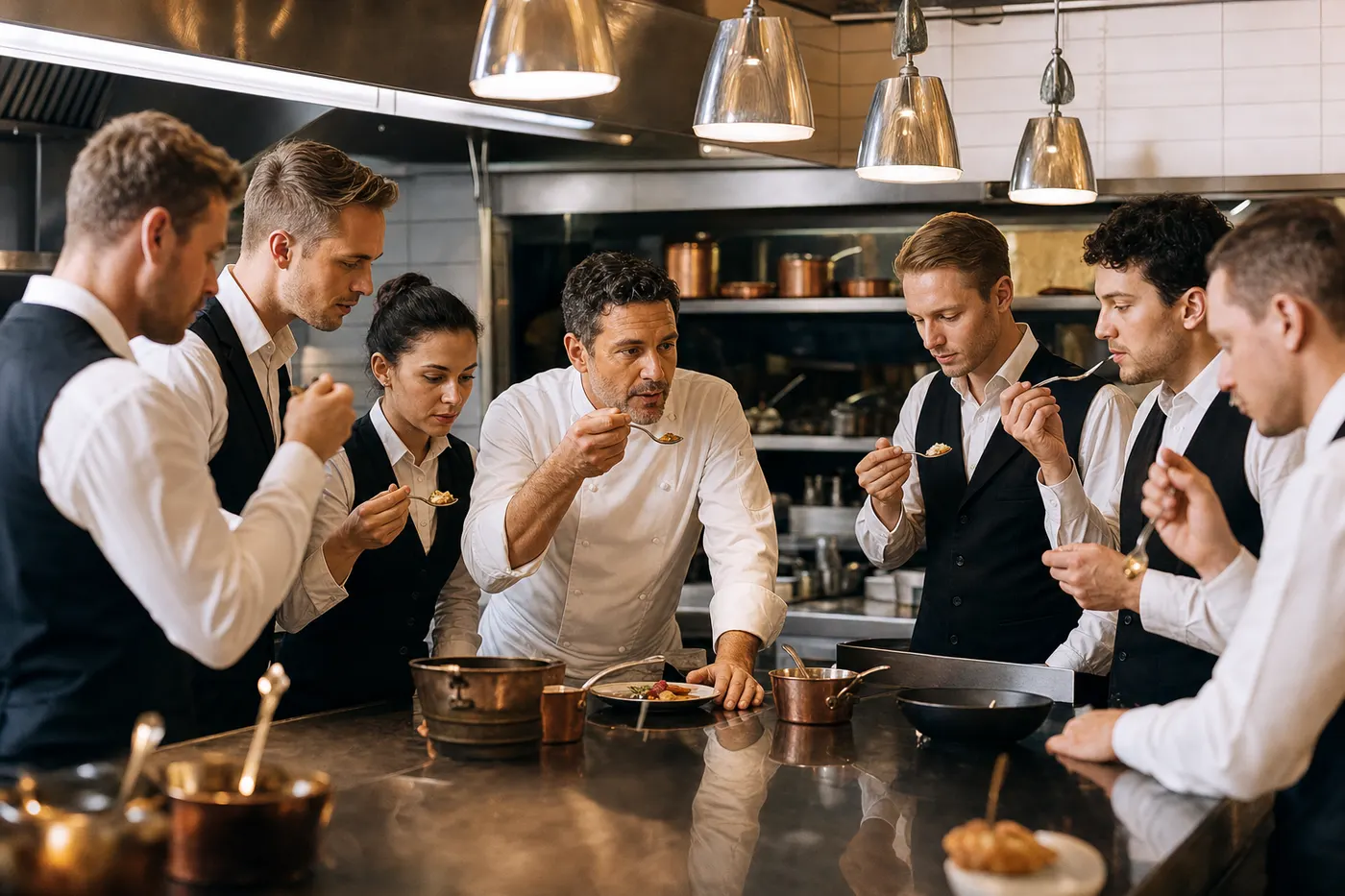
When you change the seasonal menu, drop a dish because the stock ran out or introduce a new recipe, the information has to reach several places at once: the Facebook page, Instagram, the description on delivery platforms and the answers to customer questions. The agent prepares all these versions starting from a single decision of yours, adapting the message to each channel without robotically repeating the same text everywhere.
If a dish is temporarily out of stock, the agent prepares a short message that explains the situation without drama and suggests an alternative from the menu, so you don’t lose the customer who came specifically for that dish. When you launch a new dessert or a seasonal drink, it builds an announcement that relates to what you really have in the kitchen, not a generic description pulled from nowhere. You decide what goes public, and the agent does the work of drafting and adapting across channels.
How the agent connects to the POS, deliveries and ANAF e-Factura

Communication does not sit apart from the venue’s operations. Many restaurants in Romania already have the delivery platforms Glovo, Tazz and Bolt Food connected to the POS through an integrator such as Expressoft or POSnet, so the agent can know when an order was late without you having someone look it up by hand. When a customer asks publicly about an order, the reply starts from real data, not assumptions.
On the invoicing side, if a catering customer or a corporate event asks for an invoice, the agent can prepare the follow-up message and flag the request to the person who issues the document in SmartBill or Oblio and sends it to SPV for e-Factura at ANAF. The agent does not issue the invoice itself and does not touch SPV, where a person does the work, but it keeps communication with the customer in order until the document is ready. That way PR, deliveries and the tax side speak the same language, and the customer does not feel the seams between them.
All sensitive messages and offers to customers go through a person who reviews before publishing. The agent prepares and adapts, your team decides.
Where a person steps in
The agent works under human oversight, not in your place. Replies to heated negative reviews, to complaints that touch on food safety or to any situation that could become an image crisis go through a person who reviews before publishing. Likewise, any concrete offer to an unhappy customer, a free meal, a discount, an invitation to come back, is approved by you, because it involves money and the venue’s reputation.
The fundamental decisions stay with your team. What goes on the menu, what it costs, what an event looks like, what message you want to send about the venue, all of that comes from you, and the agent carries it forward consistently across channels. It gathers the context, prepares the versions and flags what is delicate, but the final decision and the brand’s tone stay in the hands of a person who knows the venue better than any tool.
To what we sell
The most important link on the page. From here you go up to the agent we sell.
Related links
Sideways, on the same level, so you can move easily between pages.
Questions about PR and communications in HoReCa
Does the agent reply to negative reviews on Google and TripAdvisor by itself?+
It prepares the reply and sorts it by topic, but heated negative reviews and those that touch on food safety go through a person who reviews before publishing. It can reply directly to positive reviews and simple questions, in your venue’s tone.
Can the agent see when an order on Glovo, Tazz or Bolt Food was late?+
If the delivery platforms are connected to the POS through an integrator such as Expressoft or POSnet, the agent starts from real order data when a customer complains publicly. It does not fix the logistics in the kitchen, but it replies calmly and collects the details for the team.
Does the agent also handle invoices or e-Factura at ANAF?+
It does not issue the invoice and does not touch SPV. It prepares the follow-up message to the customer and flags the request to the person who issues the document in SmartBill or Oblio and sends it to SPV. The tax side stays with a person, and the agent only keeps communication in order.
How does it make sure the messages sound like my venue, not generic?+
It starts from your decisions about the menu, tone and brand, then adapts each message to the channel, on Facebook, Instagram or in the description on delivery platforms. It does not copy the same text everywhere, and you approve what goes public before publishing.
Tell us what slows you down. We talk, then decide together whether and how we work.