The AI social media agent that keeps a HoReCa venue in Romania switched on
An AI social media agent for a HoReCa venue does not post at random. It looks at what is coming out of the kitchen today, what stock is left and what sells well on Glovo, Tazz and Bolt Food, then prepares posts and stories accordingly. It replies to reviews on Google and TripAdvisor while the customer still remembers the meal. And everything related to tone, offers and decisions is still reviewed by a person at the venue.

What a social media agent takes over in a venue
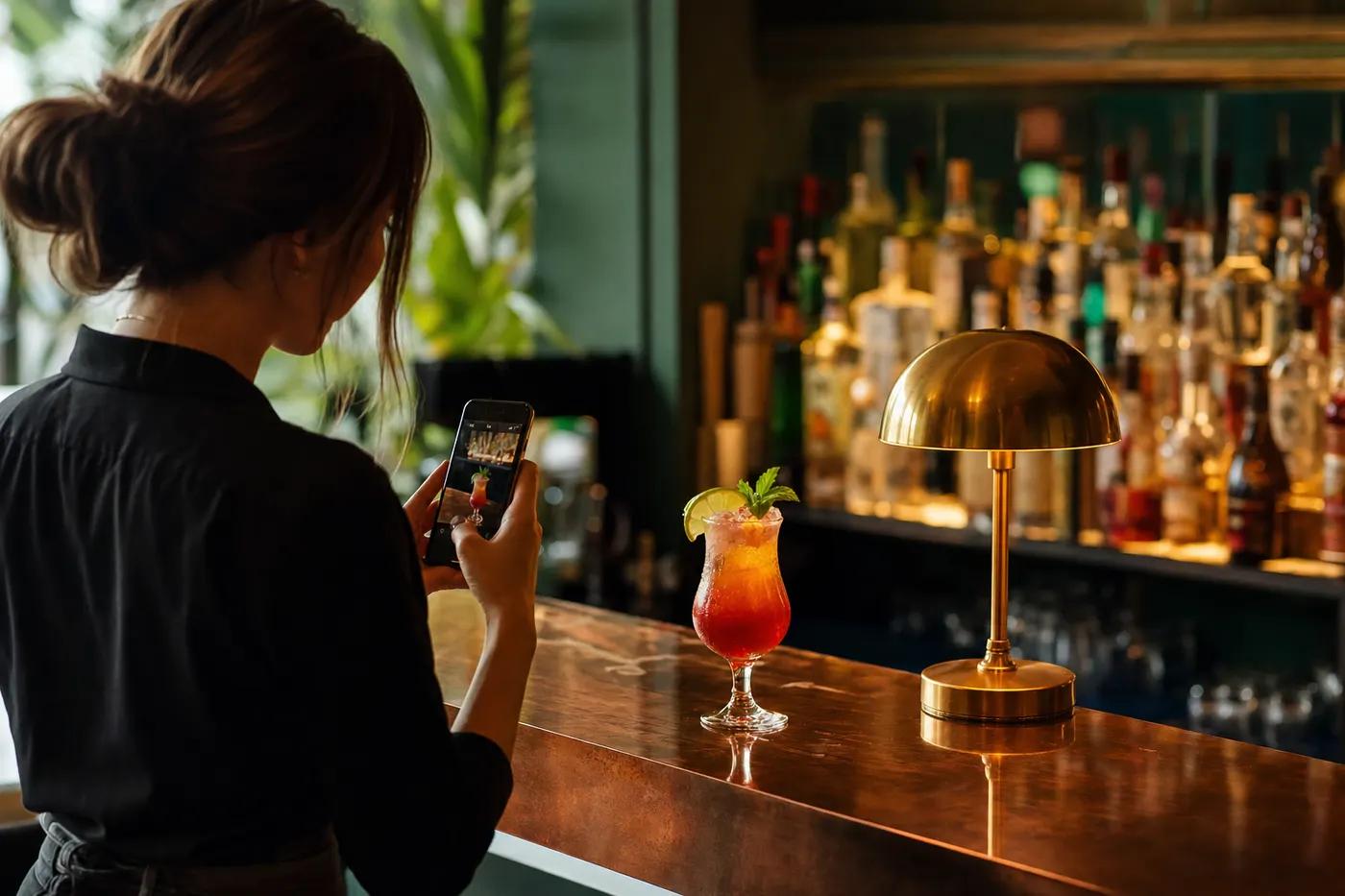
A restaurant, cafe or bistro has no time to sit on Instagram between lunch and dinner. The agent takes over the repetitive part of your online presence and ties it to what is really happening in the venue, not to a calendar detached from reality. Instead of producing pretty but empty posts, it relies on the current menu, the stock and real demand.
Plans and schedules the week’s posts in tools like Buffer or Metricool, with photos of the dishes that are really on the menu those days.
Tracks new reviews on Google and TripAdvisor and drafts a reply with the right tone for each one.
Announces the daily menu, evening promotions and availability on Glovo, Tazz and Bolt Food, matched to the remaining stock.
Gathers messages and comments from your pages in one place, so nothing goes unanswered until the next day.
In practice, the agent does the routine work that usually falls on the owner late at night or on an employee who already has another job to do. The result is a living page, aligned with what you serve that very day, not with a nice idea from three weeks ago.
Tell us what slows you down. We talk, then decide together whether and how we work.
Posts that follow the menu, the stock and the kitchen’s recipes
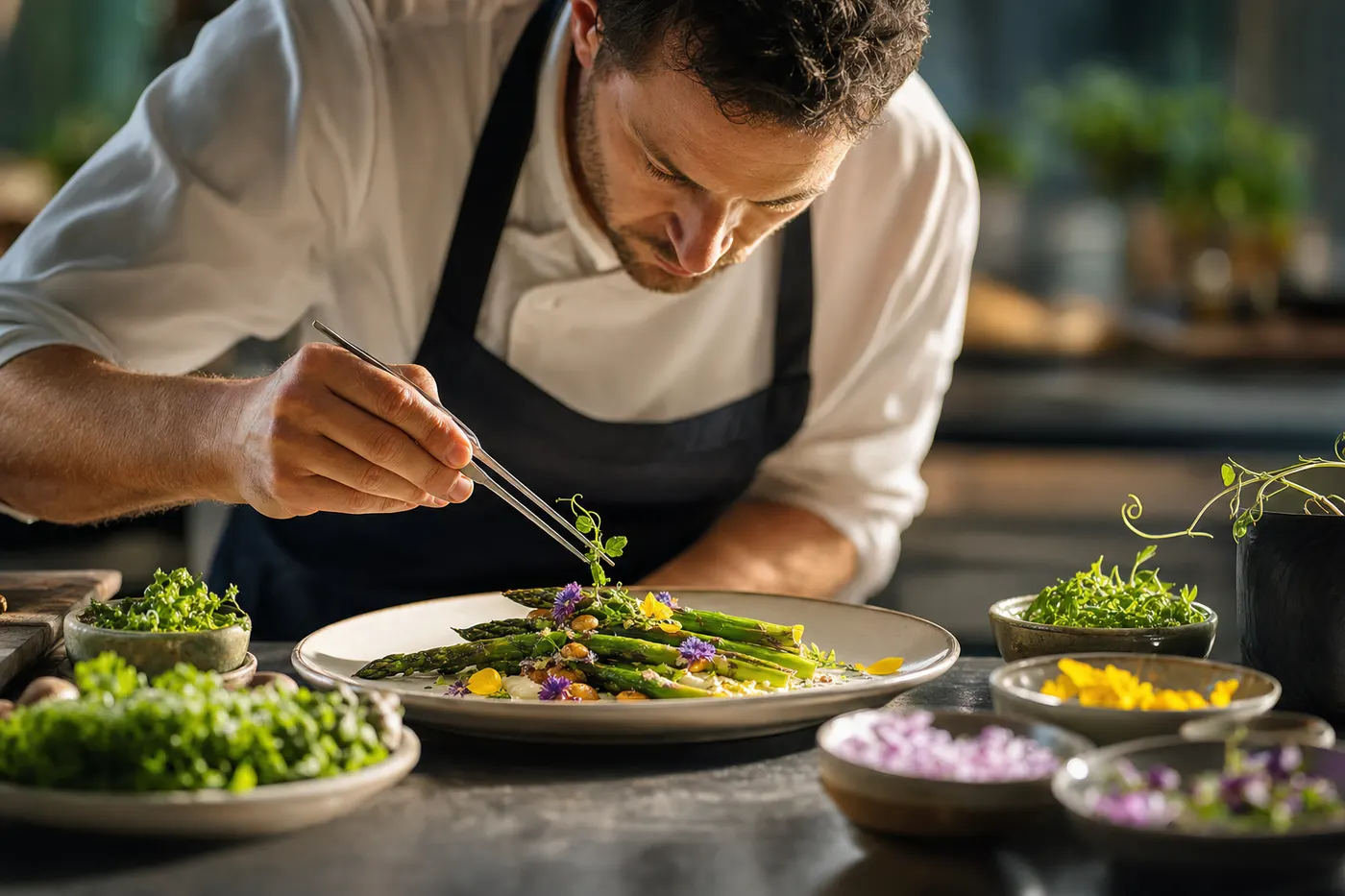
The most common mistake on venue pages is promoting a dish that has sold out or is no longer on the menu at all. The agent looks at the current menu, the ingredient stock and the active recipes before it prepares a post. If the only dessert left is apricot tart, that goes in the story, not the cheesecake that sold out on Friday.
When the chef changes the seasonal menu or drops a dish, the agent also updates the messages already scheduled, so no ad goes out for something that is no longer cooked. Good photos get reused sensibly, and slow-selling dishes get an extra push on low-traffic days, not on evenings that are already full.
For a cafe, this means the launch of an espresso tonic or a new cake reaches the page on the day it is really available at the bar, not a week late. The link between what is cooked and what is communicated stays tight, and the customer who comes in after a post finds exactly what they saw.
Delivery on Glovo, Tazz and Bolt Food announced without delay
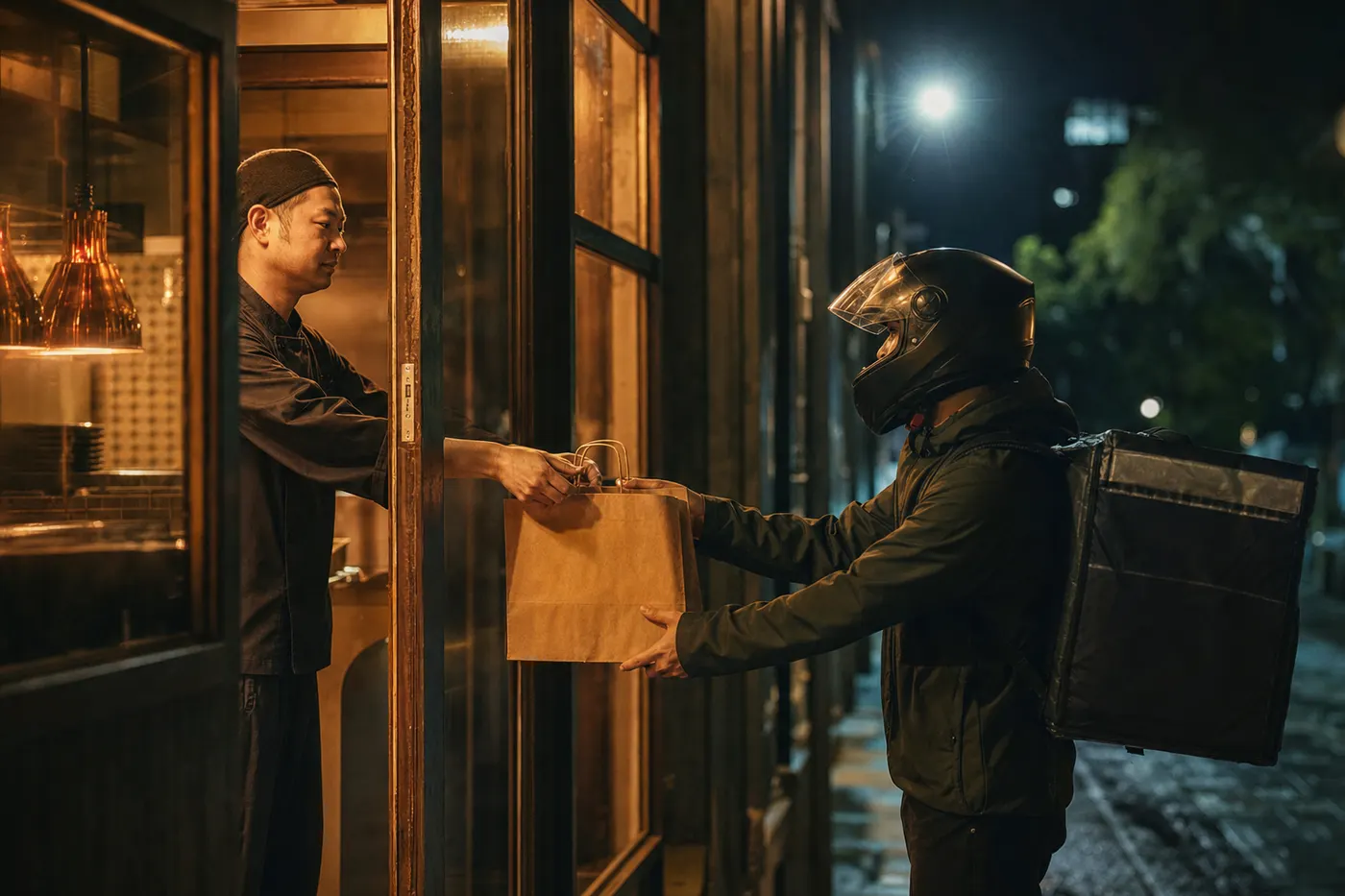
Many venues have their POS connected to Glovo, Tazz and Bolt Food, and orders land directly on the kitchen screen. The agent can use the same data to know what sells online and when a post that sends people toward delivery is worth it, instead of guessing.
If Tuesday evening is slow for deliveries, the agent prepares a post with an offer that is valid on the platforms, matched to the stock that needs to move. When the venue is closed on a platform or has a long delivery time, the messages that encouraged ordering are paused, so they don’t draw customers toward a bad experience and a one-star review.
Sales from the platforms and from the register end up in the invoicing software and in e-Factura in SPV anyway, through tools like SmartBill or APPY POS. The agent does not touch the tax side at ANAF, but it can use the sales pattern to suggest what is worth promoting, with no invented figures.
Reviews on Google and TripAdvisor read and acted on
A review on Google or TripAdvisor that nobody answers looks bad to any future customer who looks up the venue before booking. The agent tracks new reviews and drafts a reply with the right tone for each one, whether it is praise for the sour soup or a complaint about the wait for a table on a weekend.
More importantly, the agent collects the patterns. If three people in one week write that the music is too loud or that a pizza arrived cold on delivery, the observation reaches a person clearly worded, and does not get lost among the stars. That way you spot a kitchen or front-of-house problem early, not after ten bad reviews have piled up.
Replies to negative or sensitive reviews do not go out on their own. They are drafted and wait for a person at the venue who reads them and decides whether to offer compensation or an invitation to come back. Only simple thank-yous to good reviews can move faster, still with approval.
Reservations and full tables on the evenings that usually stay empty
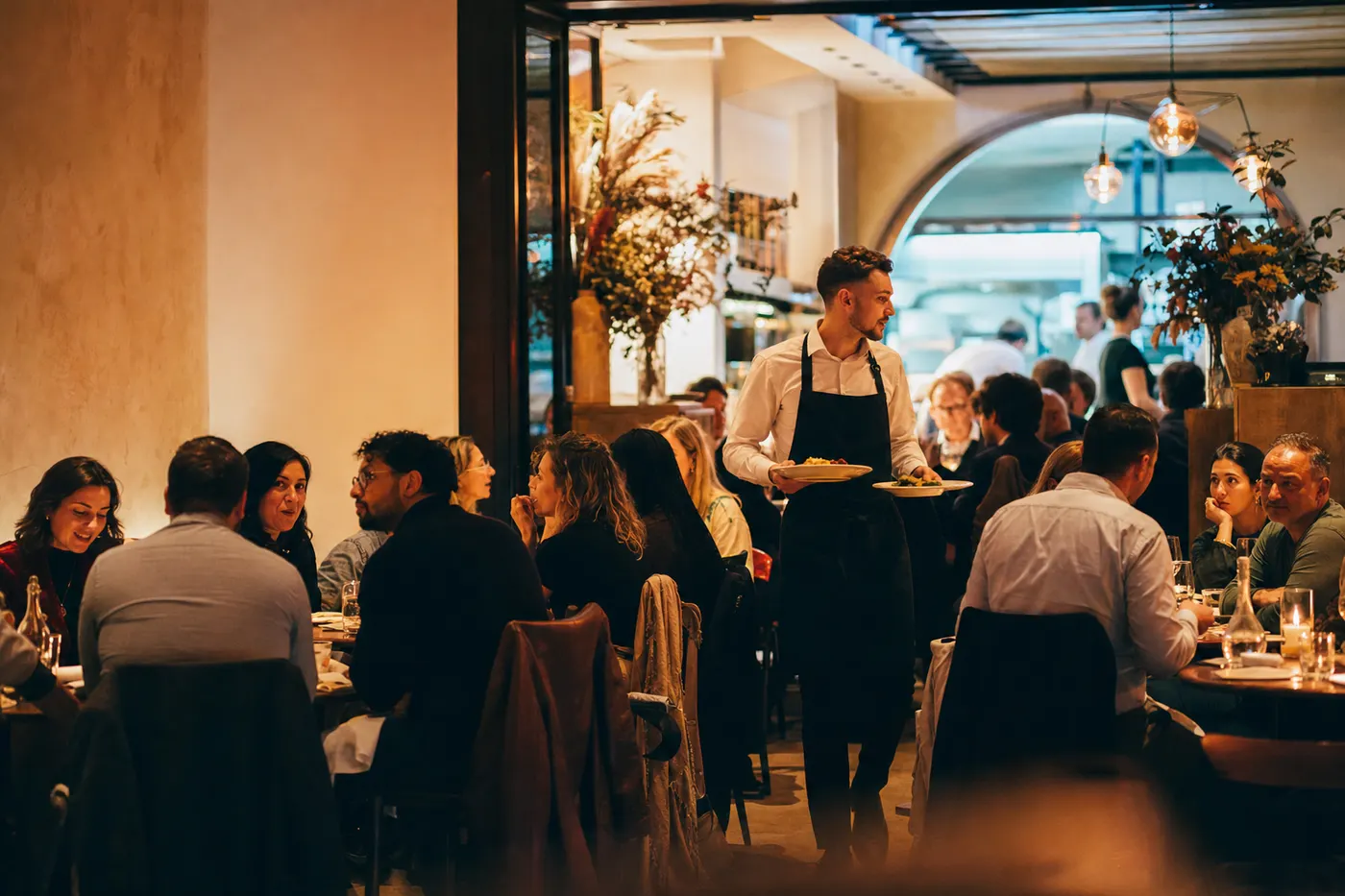
Early-week evenings are often empty, and a packed terrace on Friday needs no advertising. The agent proposes posts and stories that push reservations into exactly the slow slots, not the busy hours when you are turning people away at the door anyway.
When the venue has a reservation system, the agent can match the messages to the number of tables still free for a given evening, instead of inviting people to a dining room that is already full. An announcement along the lines of two tables left tonight for the tasting carries a different weight than a generic post about how nice it is at your place.
For a bar, this can mean promoting a happy hour on low-revenue days, with a message prepared in advance and sent when it really counts. Each venue sets its own rules, and the agent follows them instead of posting to a pattern copied from someone else.
Where a person steps in
The agent prepares, but it does not run the venue’s image on its own. Someone on the team, usually the manager or the owner, reviews and approves before sensitive things go public. Routine moves fast, and the decisions that matter stay with a person.
The choices that affect reputation and money stay with a person. The tone of a reply to a one-star review, compensation offered to an unhappy customer, a campaign with a real discount or a reaction to a delicate situation in the comments all go through human oversight before they become public.
The point is not for someone to write from scratch, but for a person who reviews to always have the final word on what represents the venue.
The agent brings everything ready, with context, so the person can quickly hit approve or adjust a sentence. The time saved goes back into the kitchen and the dining room, where the difference for the customer is really made.
To what we sell
The most important link on the page. From here you go up to the agent we sell.
Related links
Sideways, on the same level, so you can move easily between pages.
Questions about social media in HoReCa
Does the agent post by itself or only prepare the content?+
It prepares the posts, stories and review replies with all the context from the venue, and someone on the team approves before publishing. Routine can be scheduled automatically in tools like Buffer, but reactions to negative reviews or campaigns involving money go through human oversight.
How does it know what to promote if the menu changes often?+
It looks at the current menu, the remaining stock and what sells well, including on Glovo, Tazz and Bolt Food. If a dish has sold out or leaves the seasonal menu, the agent updates the scheduled messages so it doesn’t promote something that no longer exists in the kitchen.
Does it also handle reviews on Google and TripAdvisor?+
Yes. It tracks new reviews, drafts a reply with the right tone for each one and collects the patterns, for example repeated complaints about the wait for a table. Sensitive replies are ready, but they wait for a person at the venue who reviews them.
Is it connected to the POS, SPV or e-Factura?+
The agent does not touch the tax side. Invoicing and e-Factura in SPV stay in software like SmartBill or APPY POS. The agent can only use the venue’s sales pattern to suggest what is worth promoting, without generating or sending invoices.
Tell us what slows you down. We talk, then decide together whether and how we work.