AI video agent that films and edits for your restaurant or cafe
An AI video agent takes over the hard part of a venue’s visual content. It gathers the footage shot on a phone in the kitchen or the dining room, edits it into Reels and short clips for TikTok, and prepares versions for the product cards on Glovo, Tazz and Bolt Food. It turns good reviews from Google and TripAdvisor into video material and ties them to what is being cooked today. In practice, a chef or manager with no time for editing gets clips that are ready to post, with human oversight before they go public.
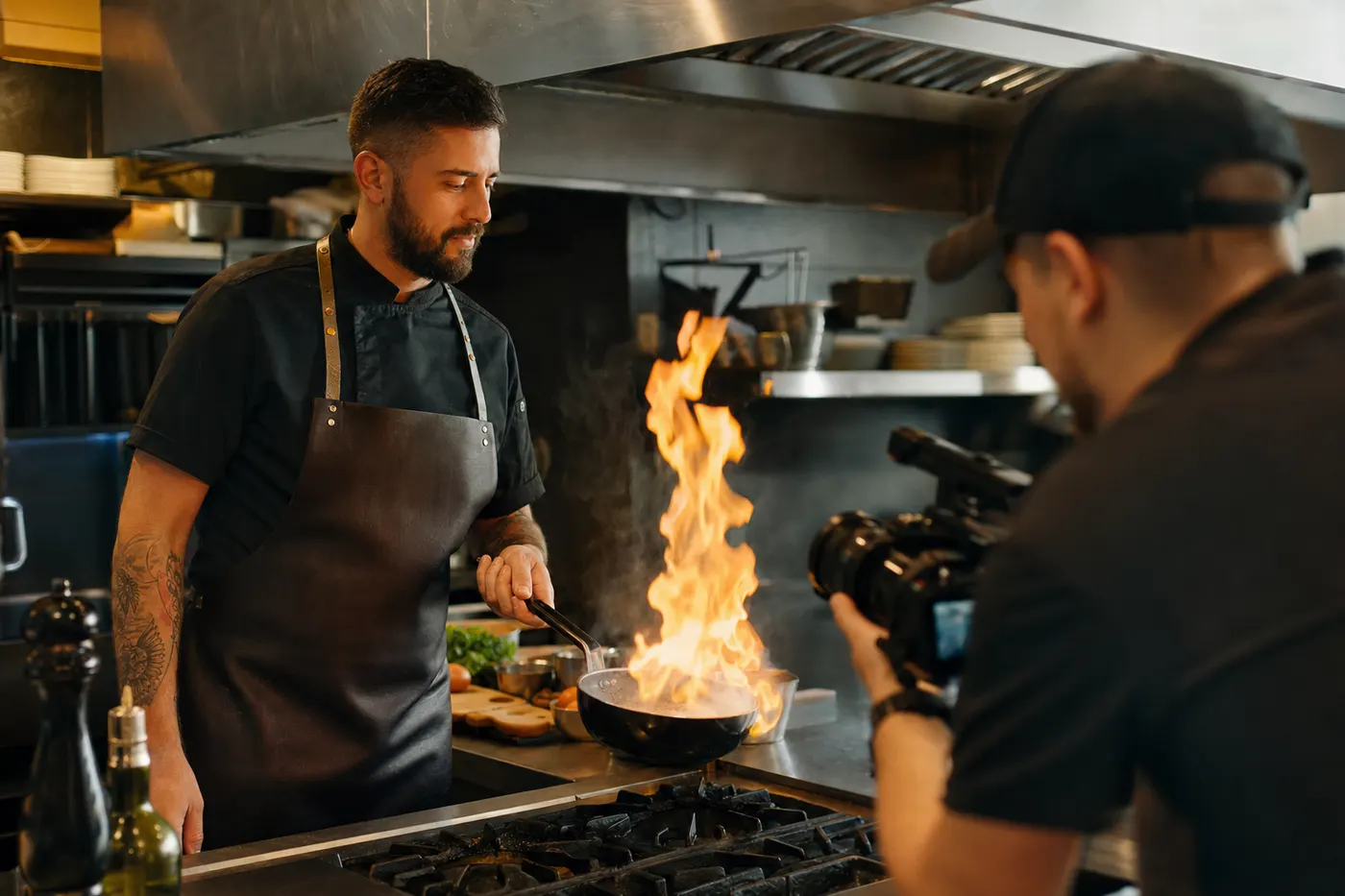
What a video agent takes over in a venue
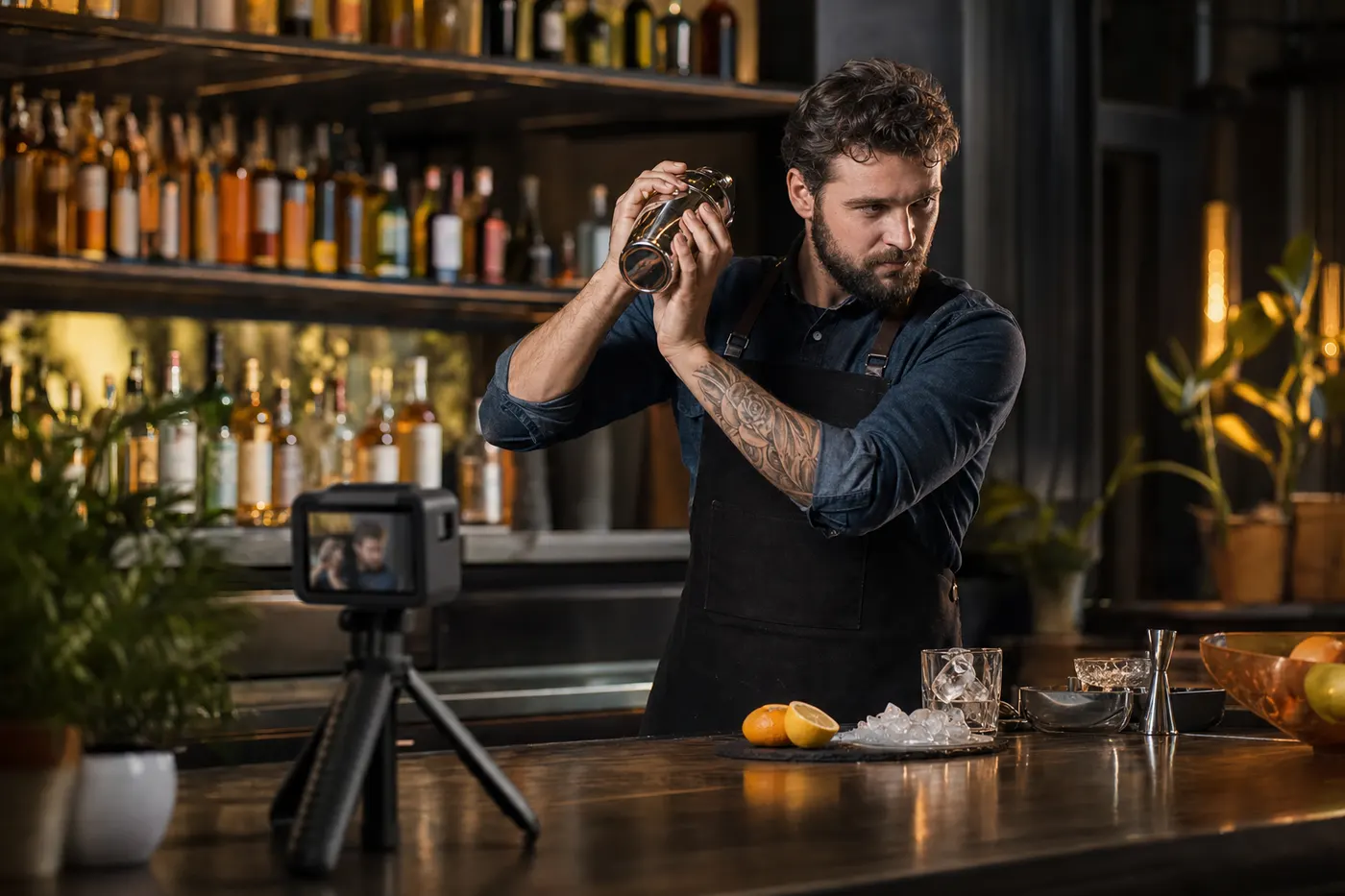
In a restaurant, cafe or bistro, video usually gets made in a rush. Someone films a plate on a phone between two orders, then the footage sits in the gallery for weeks because nobody gets around to editing it. An AI video agent closes exactly that gap. It takes the raw footage, cuts it to the beat, adds on-screen text with the price and ingredients, and produces several formats from the same shoot, one for Instagram, one for TikTok and one for the delivery card.
Edits Reels and TikTok clips from footage shot on a phone in the kitchen or the dining room, without waiting for an outside editor.
Prepares short videos and motion photos for the product cards on Glovo, Tazz and Bolt Food.
Makes a short version for every new dish on the menu, with the price, main ingredients and on-screen text already written.
Turns reviews from Google and TripAdvisor into testimonial-style clips, ready to upload once a person who reviews them has seen them.
The difference from an editor paid per clip is the pace. The agent works every day, keeps up with a changing menu and delivers steady volume, not one video every two weeks. The venue ends up with a library of clips it can reuse in busy periods, when nobody on the team has time to film anything.
Tell us what slows you down. We talk, then decide together whether and how we work.
Video that brings orders on Glovo, Tazz and Bolt Food
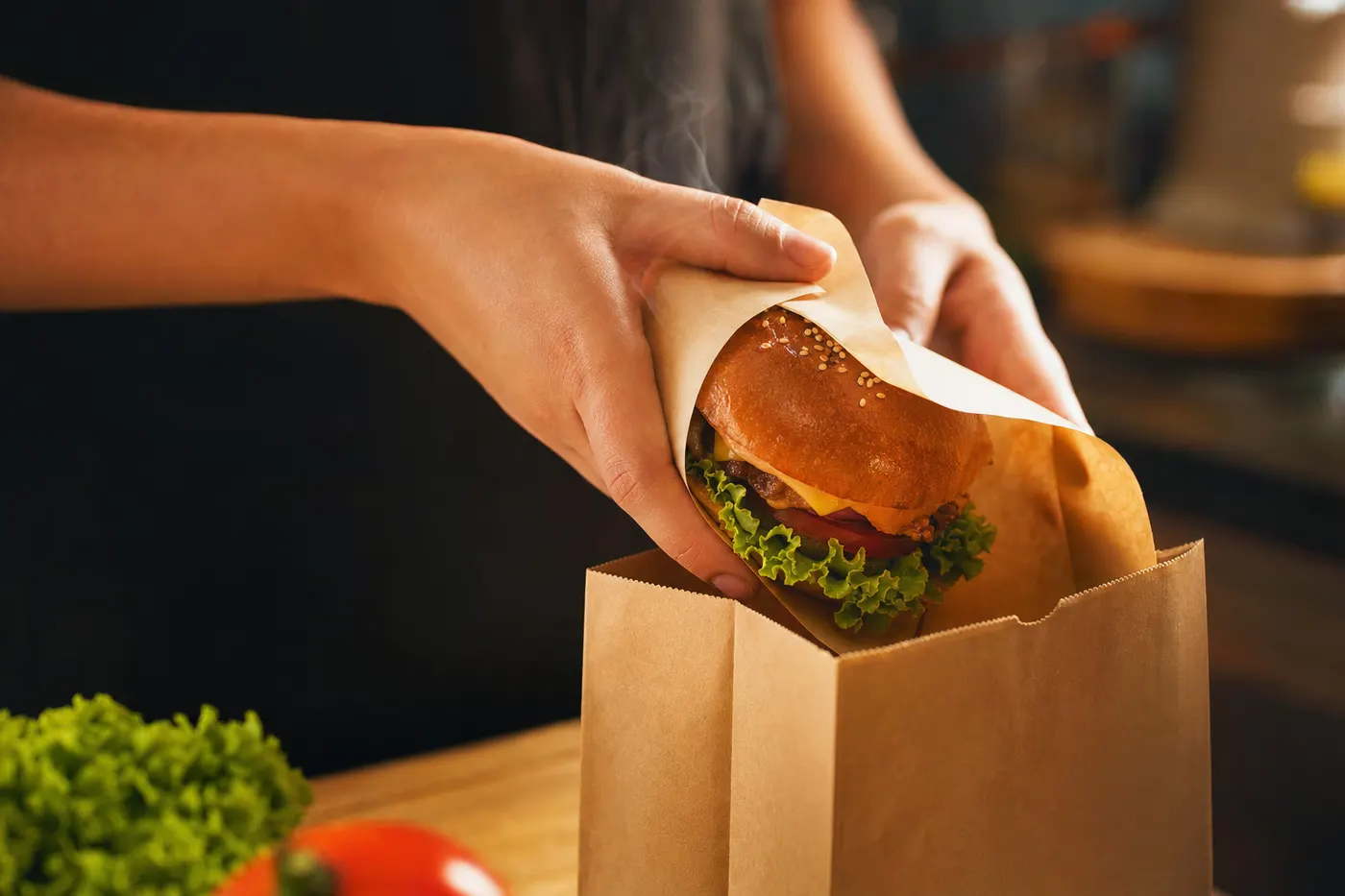
On delivery platforms, the decision is made in a few seconds of scrolling on a phone. A card with a static photo and a card with a short three-second clip showing the steam rising off a pizza or the sauce running over a burger do not bring the same number of orders. The video agent prepares exactly these micro-clips, cut short and optimized for product cards, in the formats that Glovo, Tazz and Bolt Food require.
Many venues already have their platform menu connected to the POS through an integrator like Expressoft, APPY POS or boogiT, where prices and availability sync automatically between the register and the portals. The video agent sits on top of this flow. When a dish runs out of stock and comes off Glovo, the agent knows to stop pushing it in content, and when a new dish or a promotion appears, it prepares the visual material for the card without waiting for a separate brief. That way, what the customer sees in the app is always aligned with what can really be ordered that evening.
Reels and TikTok from the venue’s kitchen
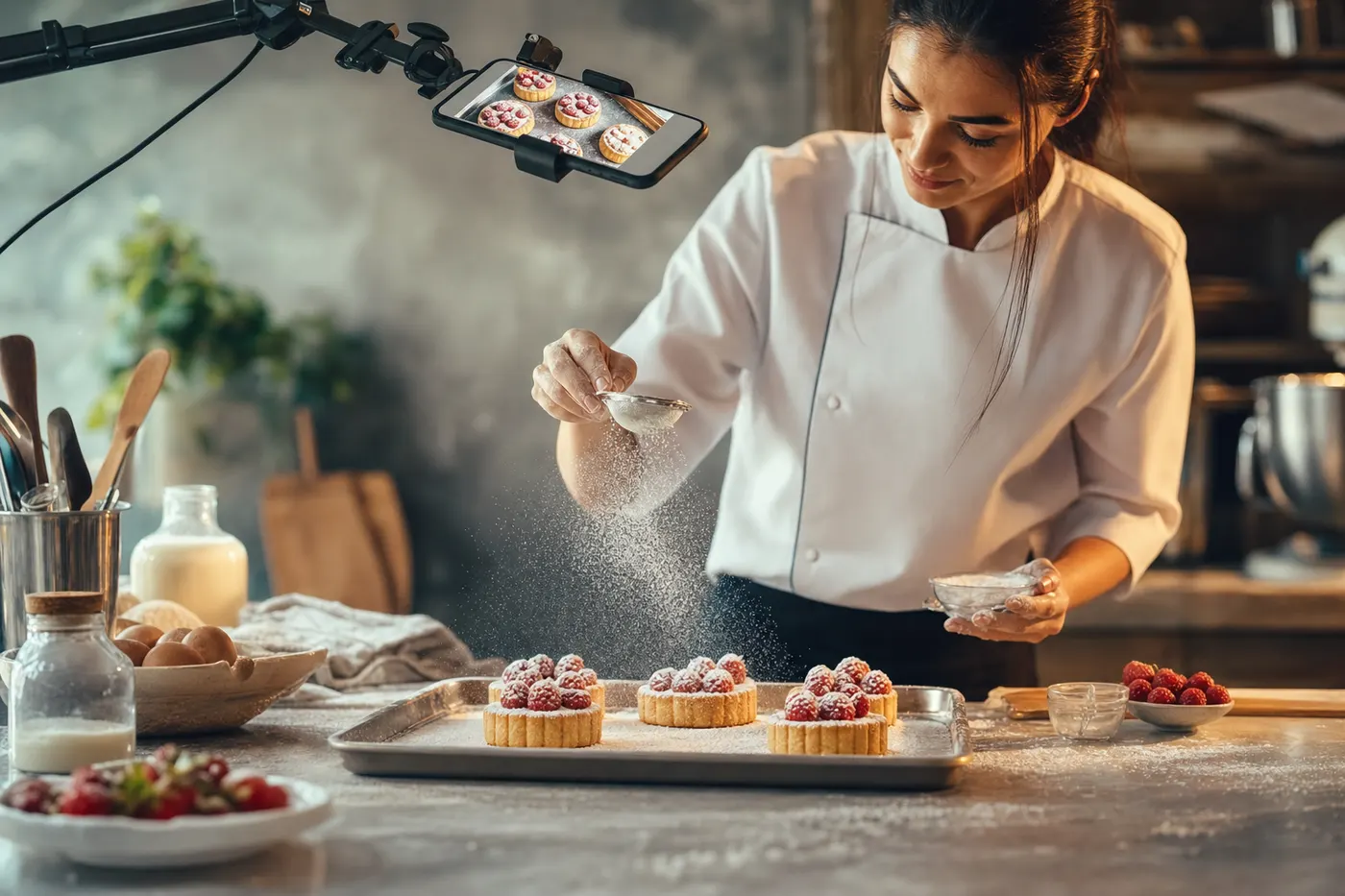
The content that works for HoReCa on TikTok and Instagram is not polished production. It is the real moment in the kitchen and the dining room. The waiter bringing the platter, the hand cutting the dough, the coffee being poured, a table’s reaction to dessert. The agent takes these raw shots filmed on a phone and edits them with rhythm, clear subtitles, a hook in the first second and an ending that tells the viewer what to do, whether that is a reservation or a delivery order.
For a restaurant in Romania, the agent also adapts the language to what resonates locally, and does not copy formats that work in other markets. It can produce whole series from a single day of filming, one clip with the dish of the day, one from behind the scenes in the kitchen and one with the evening atmosphere at the bar. Instead of publishing chaotically whenever you remember, the venue gets a steady flow of clips it can schedule ahead, including for the periods when the team is too busy to think about social media.
Reviews from Google and TripAdvisor become content
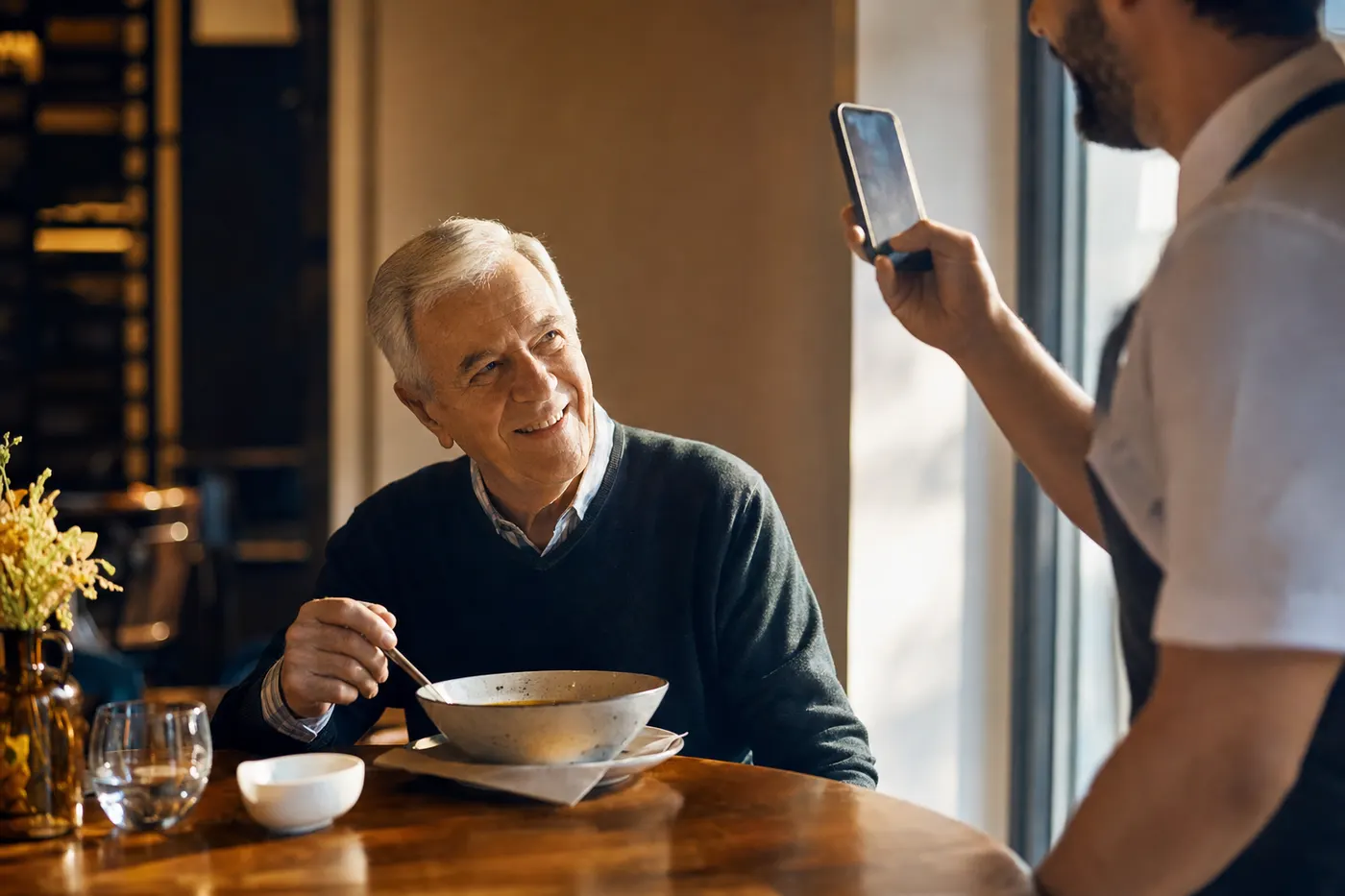
A good review on Google or TripAdvisor is already text written by a happy customer, exactly the kind of proof that convinces someone else to book a table. The problem is that the review sits buried in the profile and nobody sees it at the right moment. The video agent takes five-star reviews and turns them into short testimonial-style clips, with the quote on screen over real footage from the venue, ready to go on Instagram or in a story.
A competitive venue needs plenty of reviews and a rating above 4.5 to stand out in local searches, and content that highlights customer opinions helps that reputation too. The agent can also flag weaker reviews so a person sees them and replies personally, but it does not touch them on its own. A negative review calls for a human reply, with tact, not an automated clip.
How video connects to the menu, stock and recipes
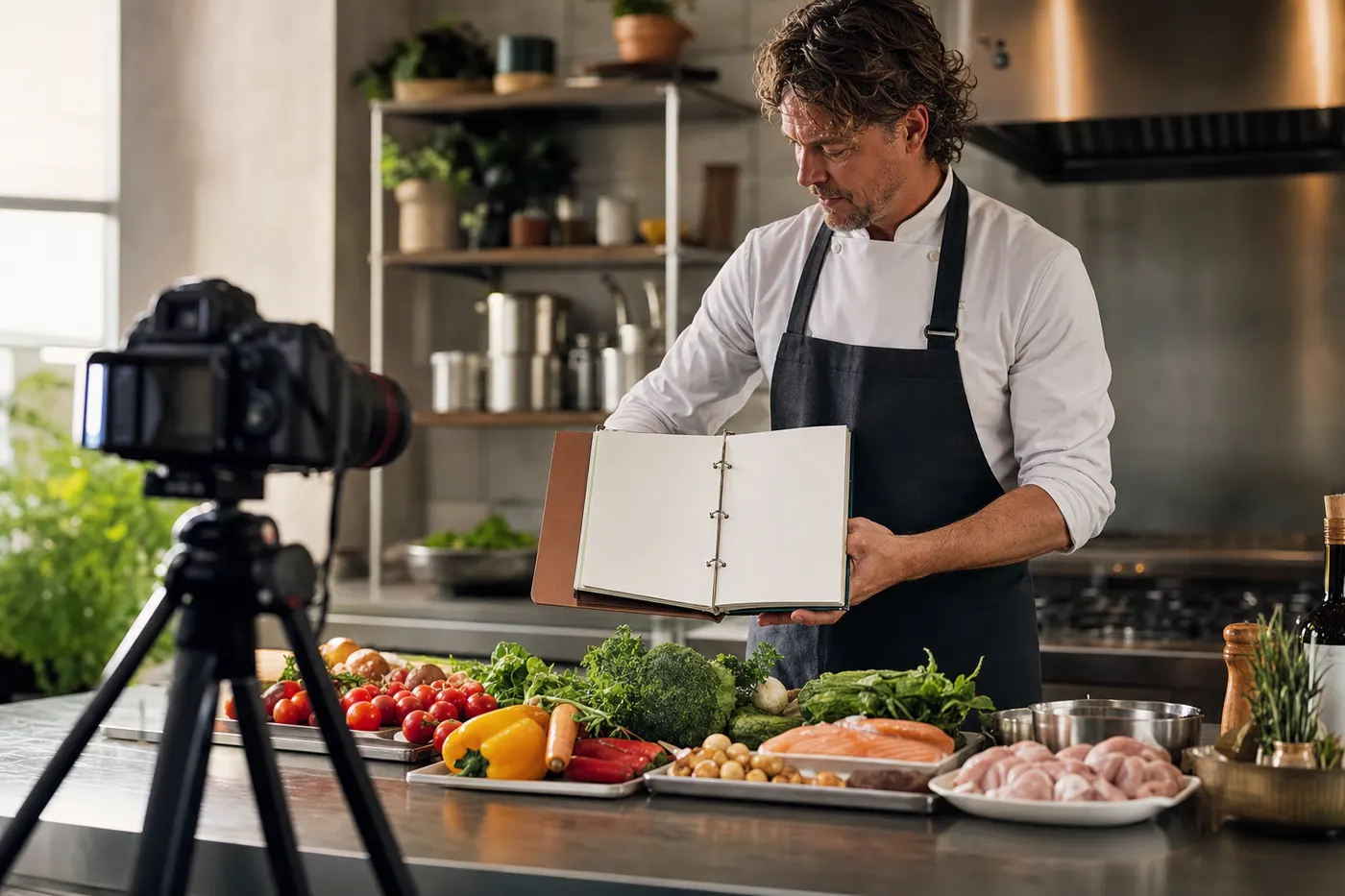
A useful video agent in a venue does not live apart from kitchen operations. It knows what is on the menu, which dish is going out today and what has sold out, because it is connected to the same inventory and stock data the register uses. That stops it from promoting a dish that no longer exists or an old price. When a new recipe or a menu change appears, the agent can pick it up as the starting point for the next clip, with the ingredients and the text already prepared.
It is important to say clearly what it does not do as well. Invoicing, SPV and the e-Factura sent to ANAF stay in the venue’s POS and accounting system, not in the video agent. The agent handles image and message, not money and not tax documents. Its role is to put the dishes forward and bring people to the table and orders to delivery, while the rest of the venue’s infrastructure goes about its own business.
Where a person steps in
The video agent prepares everything, but nothing goes public without human oversight. A person at the venue looks at every clip before publishing and checks the things only someone on the team knows. Does the dish look the way it should on film, is the portion representative, does the tone fit how the venue wants to be perceived. These decisions stay with the manager or the owner, and the agent delivers the material in a form where approval takes a minute, not an hour.
Likewise, replies to negative reviews, decisions about promotions and the brand voice belong to a person. The agent can suggest and prepare, but a person confirms what gets posted, when and with what message. This human oversight is not a formality. It is exactly what keeps the content authentic and free of mistakes that could upset customers or promote something the kitchen cannot deliver that evening.
To what we sell
The most important link on the page. From here you go up to the agent we sell.
Related links
Sideways, on the same level, so you can move easily between pages.
Questions about video in HoReCa
Does the video agent film in the venue by itself, or does it need footage from us?+
The best result comes from the combination. The team films real moments in the kitchen and the dining room on a phone, and the agent takes those raw shots and turns them into Reels, TikTok clips and micro-videos for the cards on Glovo, Tazz and Bolt Food. You don’t need production equipment, just a few short recordings that the agent edits.
How does the agent avoid promoting a dish that is out of stock?+
The agent connects to the same menu and stock data the register uses, often through a POS integrator like Expressoft or APPY POS. When a dish comes off the platforms or sells out, the agent stops pushing it in content, and when something new appears it prepares the visual material for it.
Does the agent also handle reviews on Google and TripAdvisor?+
Yes, but differently depending on the type of review. Good reviews are turned into testimonial-style clips, with the quote on screen over footage from the venue. Negative reviews are only flagged so that a person who reviews them sees them and replies personally. The agent does not reply to an unhappy review on its own.
Does the video agent touch invoicing or e-Factura to ANAF?+
No. Invoicing, SPV and the e-Factura sent to ANAF stay in the venue’s POS and accounting system. The video agent handles strictly image and message, meaning clips for social media and for delivery platforms, not tax documents or money.
Tell us what slows you down. We talk, then decide together whether and how we work.